
In April 2026, Austin's housing market looks nothing like it did three years ago. With over 15,500 active listings, 5.45 months of supply, and nearly half of all homes sitting with at least one price reduction, buyers have options — and they know it. The pandemic-era urgency is gone, replaced by calculated offers, longer timelines, and a growing expectation that sellers bring something extra to the table.
One of the most cost-effective tools sellers are using right now? A home warranty.
But not all warranties deliver equal value, and offering one without understanding its limits can backfire. Here's what Austin sellers need to know in 2026.
What a Home Warranty Actually Covers — and Where It Falls Short
A home warranty is a service contract that covers the repair or replacement of specific systems and appliances that fail due to normal wear and tear. It is not homeowners insurance, which handles damage from fire, storms, or flooding. The distinction matters — and so does the fine print.
What's typically covered:
- HVAC systems (heating and cooling)
- Electrical and plumbing systems
- Water heaters
- Kitchen appliances (oven, dishwasher, built-in microwave)
- Washer and dryer (often as add-ons)
What commonly catches Austin sellers off guard:
Improper installation. If an HVAC unit was replaced by an unlicensed contractor or doesn't meet Austin building codes, the warranty company will likely deny the claim — regardless of when the failure occurs.
Pre-existing conditions. If your buyer's inspection report mentions a slow drain, an aging HVAC, or any system flagged as "recommend servicing," the warranty company will treat future failures as known pre-existing conditions. Most plans only cover unknown failures.
Secondary damage. If a pipe bursts in a pier-and-beam home, the warranty may cover the pipe repair. It will not cover the flooring damage or mold remediation that follows.
Payout caps vs. actual Austin repair costs:
| System | Typical Warranty Cap | Actual Austin Cost (2026) |
|---|---|---|
| Full HVAC Replacement | $2,000 – $5,000 | $8,500 – $13,500 |
| Water Heater | ~$1,000 | $1,500 – $2,500 |
| Slab Leak Repair | Usually excluded | $2,500 – $5,000+ |
| AC Compressor | Usually fully covered | $1,800 – $2,800 |
| Main Sewer Line | Usually covered | $400 – $800 |
The gap between what a warranty pays and what repairs actually cost in Austin is significant — especially for HVAC. A seller offering a basic plan to a buyer with a 14-year-old air conditioning unit should be upfront about this. Buyers who feel misled post-closing are far more problematic than buyers who understood the limits from the start.
One practical step: if you're offering a warranty to resolve an inspection negotiation, ensure the buyer acknowledges in writing that coverage has limits. This prevents post-closing disputes when the $600 warranty doesn't cover a $12,000 system replacement.
Does It Actually Help You Sell Faster or for More?
The data says yes — with meaningful numbers behind it.
According to 2025–2026 benchmarks from Texas REALTORS® and industry studies from major warranty providers:
- Homes sold with a warranty see a price increase of approximately 0.91% compared to those without. At Austin's current median of ~$525,000, that's roughly $4,777 in added value — well above the $500–$850 cost of the warranty itself.
- Warranted homes sell approximately 16% faster. In the current Austin market averaging 26–28 days on market, that typically means going under contract in 23–24 days.
- Warranted homes close at an average of 96.7% of list price, compared to 96.1% for those without — a 0.6% difference that reflects a seller's ability to hold firm during negotiations by offering the warranty instead of a cash credit.
Beyond the numbers, there are three practical patterns playing out in Austin transactions right now:
The inspection deadlock. When a 15-year-old AC is "functioning but aged," buyers often demand $5,000–$10,000 in credits for future replacement. Sellers who proactively offer a high-tier warranty with an HVAC rider can frequently resolve this for $700, saving thousands in concessions.
Post-closing friction. Listings with warranties have a significantly lower rate of post-closing disputes. When something breaks, the buyer calls the warranty company — not the seller's agent.
Competing with new construction. Austin is currently flooded with new builds from Lennar, D.R. Horton, and others — all of which come with mandatory 1-2-10 year builder warranties (1 year workmanship, 2 years systems, 10 years structural). Resale homes built between 2005 and 2018 struggle to compete without offering equivalent peace of mind. In 2026, risk-averse buyers will often pivot to a new build if a resale seller doesn't address this directly.
It's also worth noting the broader concession trend: roughly 55% of Austin transactions in early 2026 involved some form of seller concession, up from 44.4% in early 2025. Offering a warranty proactively — before the option period — signals confidence in the home's condition and often prevents buyers from asking for more expensive repair credits later.
When It's Worth It — and When It's Not
Not every Austin home benefits equally from a warranty offering. The ROI depends heavily on the age of your systems and the type of property you're selling.
Age thresholds where warranty value spikes:
- HVAC at 10+ years: Austin summers push AC units to their limit. At the 10-year mark, efficiency drops and burnout risk climbs. Buyers will almost always demand a warranty or a significant credit when the unit is over 10 years old.
- Water heater at 8+ years: Austin's hard water — high in calcium and magnesium — causes sediment buildup that kills tanks faster than the national average. Inspectors routinely flag 8-year-old water heaters as a near-term replacement item.
- Appliances at 5–7 years: Modern smart appliances have shorter lifespans than older mechanical models. Electronic board failures in early-2020s kitchen suites are increasingly common.
By property type:
Older Central Austin homes (78704, 78751, 78756) — High value. These 1940s–1970s properties often have mixed-era systems: modern AC units attached to aging ductwork, cast-iron plumbing, or both. Without a warranty, buyers routinely ask for $15,000+ "safety net" credits simply because of the infrastructure's age. A warranty reframes that conversation.
1990s–2010s suburban homes (Round Rock, Pflugerville, Cedar Park) — Very high value. These homes are hitting the age where original roofs, HVACs, and water heaters are failing simultaneously. Combined with heavy nearby new construction, a warranty is close to mandatory to remain competitive.
New builds (Leander, Liberty Hill, Manor) — Low value. Most are still under the builder's 1-2-10 warranty. Adding a third-party residential service contract is generally unnecessary unless the builder's coverage has expired.
Condos and townhomes (Downtown / East Austin) — Moderate value. Since the HOA typically covers the roof and exterior plumbing, warranty coverage is limited to internal appliances and the HVAC air handler. It's a useful perk, but rarely a deal-breaker in this segment.
How to Offer It Strategically
Timing and positioning matter. A warranty mentioned casually at the end of a negotiation carries far less weight than one listed upfront in your MLS description.
At listing: Include "Seller providing 1-year home warranty" in both the public remarks and private MLS notes. It signals that the home has been well-maintained and preempts buyer concerns about older systems before they turn into repair credit demands during the option period.
Seller's coverage during listing: Many providers offer seller-paid coverage that begins the day your home goes on market — typically at no additional cost or a nominal fee. If the AC fails during a Texas summer heatwave while you're under contract, this coverage handles the bulk of the repair cost and protects the transaction from unraveling.
At closing: You can pay for the buyer's first year of coverage at closing, typically between $500–$850. This is the most common structure in Austin right now, where 60–70% of closed resale transactions include a seller-paid warranty.
On plan selection: Basic plans ($500–$600) cover core systems but often carry the low HVAC caps outlined above. Premium plans ($800+) are more likely to cover mismatched HVAC systems — common in older Austin remodels — and may include refrigerant recharging, slab leak riders, and higher payout limits. If your home has an older AC or known plumbing complexity, the premium plan is the more defensible choice.
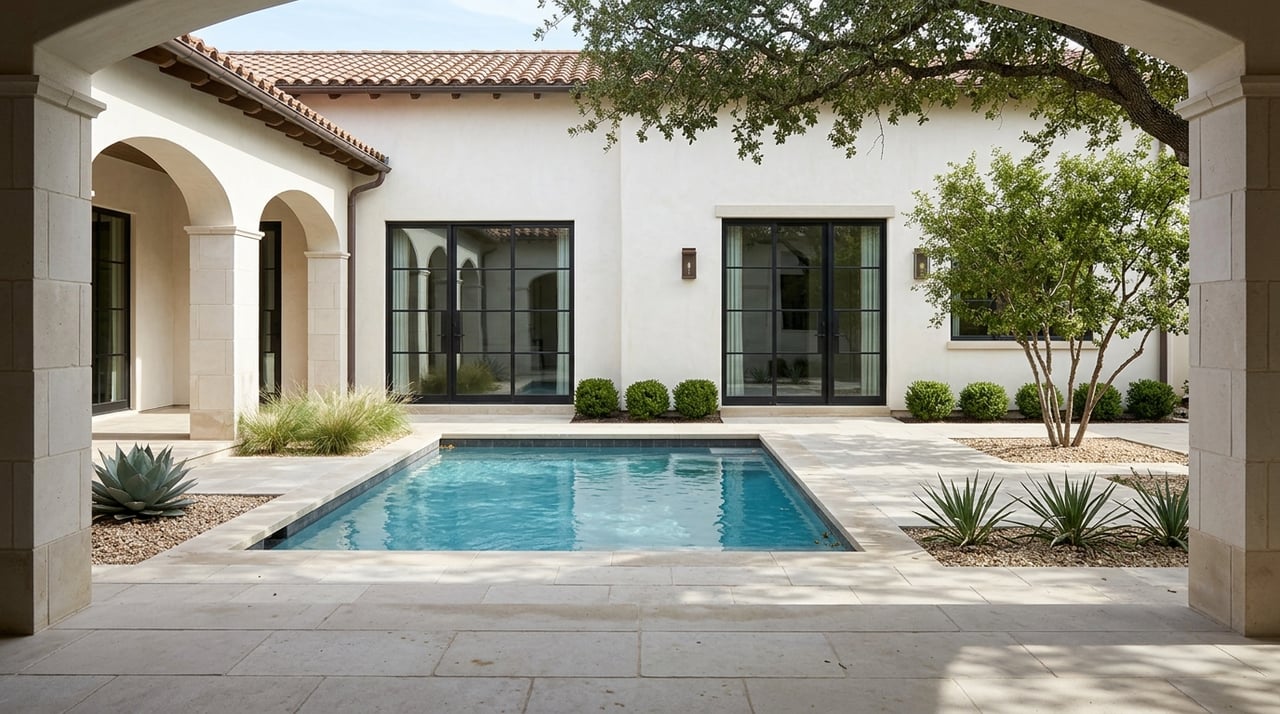
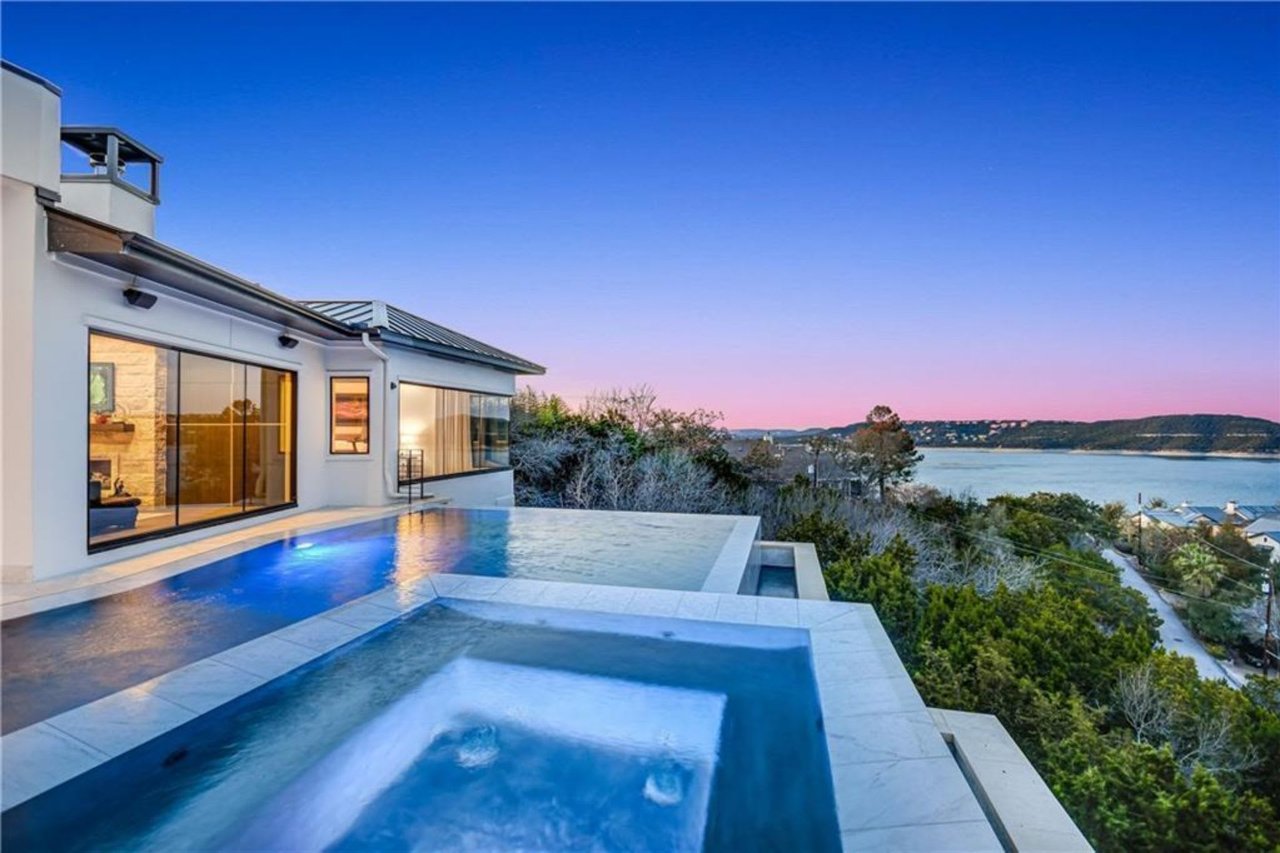
One Austin-specific note on pools: Standard plans do not cover pool or spa equipment. In Austin, where a pool is a meaningful selling point, this is a frequent surprise. Pool/spa coverage is typically a $150–$250 add-on — worth considering if the pool is a feature you're actively marketing.
Austin-Specific Regulations Sellers Should Know
TREC Form RSC-3. Texas requires agents to disclose any compensation received from a home warranty company. If your agent recommends a specific provider and receives even a nominal marketing fee ($30–$90 is typical), both parties must sign this form. Most Austin brokerages now prohibit agents from accepting these fees to avoid conflict-of-interest concerns.
Texas Seller's Disclosure Notice (TREC OP-H). Sellers must disclose known defects. If you disclose that an HVAC "needs a refrigerant charge every summer," the warranty company will categorize future failures as pre-existing — and deny the claim. More seriously, offering a warranty while knowingly concealing a failing system creates exposure under the Texas Deceptive Trade Practices Act (DTPA).
Austin Energy ECAD Requirement. If you're selling a home within Austin city limits (Austin Energy service area) that is 10 or more years old, you are required to complete an Energy Conservation Audit and Disclosure. A home warranty will not pay to correct efficiency deficiencies flagged by that audit — warranties cover mechanical failures, not efficiency upgrades. Sellers sometimes assume the warranty solves audit findings. It does not.
Three practical checklist items before you select a plan:
- If your home is on Austin's east side (high clay soil), confirm the plan includes a slab leak rider.
- Verify the plan covers current refrigerants (R-410A or newer). Older refrigerants are expensive and frequently excluded from basic payouts.
- Confirm the warranty is effective on the day of closing to eliminate any gap in buyer coverage.
Frequently Asked Questions
Is a home warranty required to sell a home in Austin? No. It's a voluntary offering — but in the current market, where 55% of transactions include seller concessions, not offering one means buyers will likely ask for it during the option period, often alongside other repair requests.
Can I get coverage while my home is listed? Yes. Most providers offer seller coverage beginning at the listing date, protecting you from repair costs on covered systems before and during escrow.
Can I choose which warranty company to use? Yes. Sellers often default to the least expensive plan ($500–$600), while buyers' agents push for premium coverage ($800+). If your home has older systems, the premium plan is usually worth the difference in avoided negotiation friction.
Does a home warranty protect me from post-sale legal claims? It doesn't provide legal immunity, but it functions as an effective buffer. By redirecting the buyer to a third-party service provider for covered repairs, it significantly reduces the likelihood of post-closing disputes escalating.
Does the warranty cover my pool? Not on a standard plan. Pool and spa coverage is an add-on, typically $150–$250 per year.
Ready to Sell Your Austin Home?
Kathryn Scarborough has been guiding Austin sellers through transactions for over two decades, with more than $1.5 billion in active, pending, and sold inventory since 2001. Her team can help you determine the right warranty strategy for your home, your systems, and your timeline — before the option period puts you on defense.
Kathryn Scarborough Real Estate Group 3700 Bee Caves Rd., Suite 102, Austin, TX 78746 📞 (512) 970-1355 ✉️ [email protected]