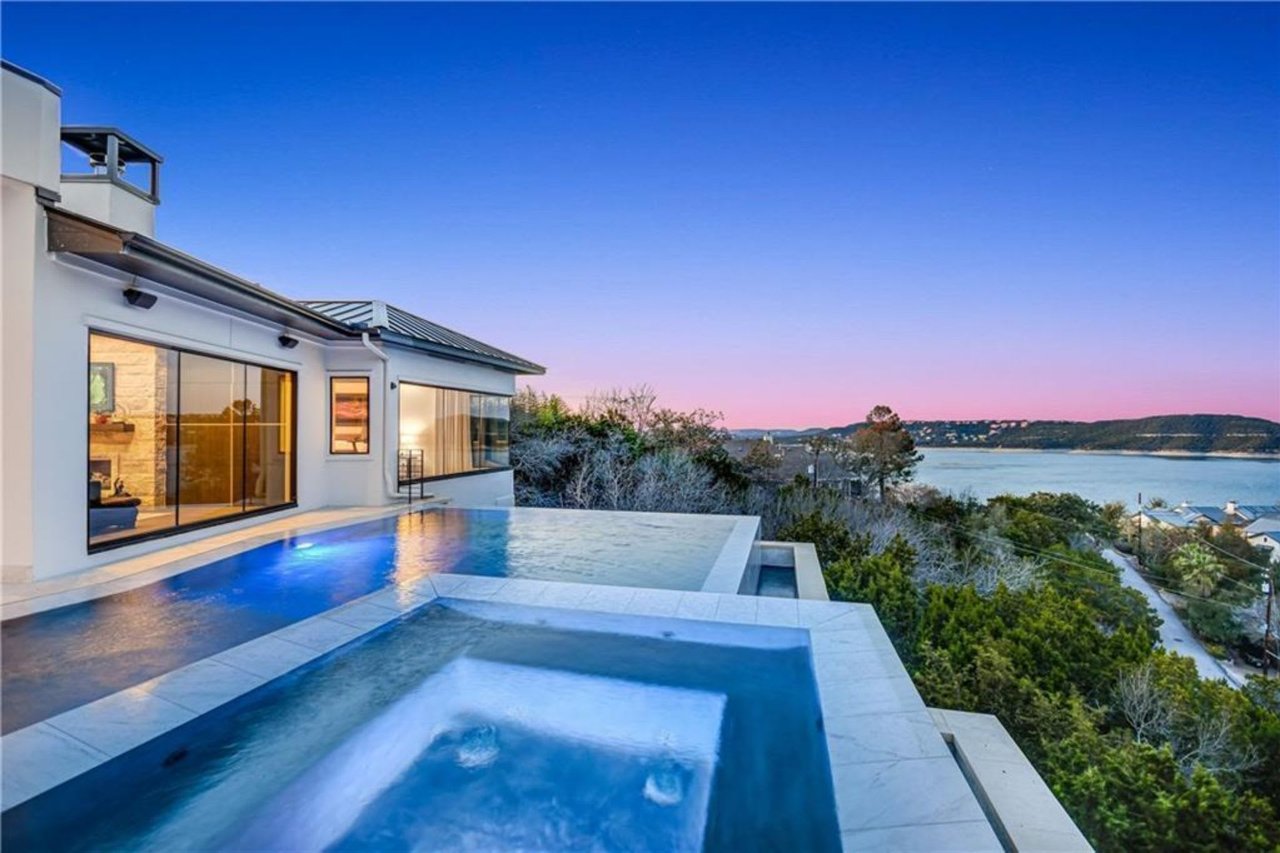
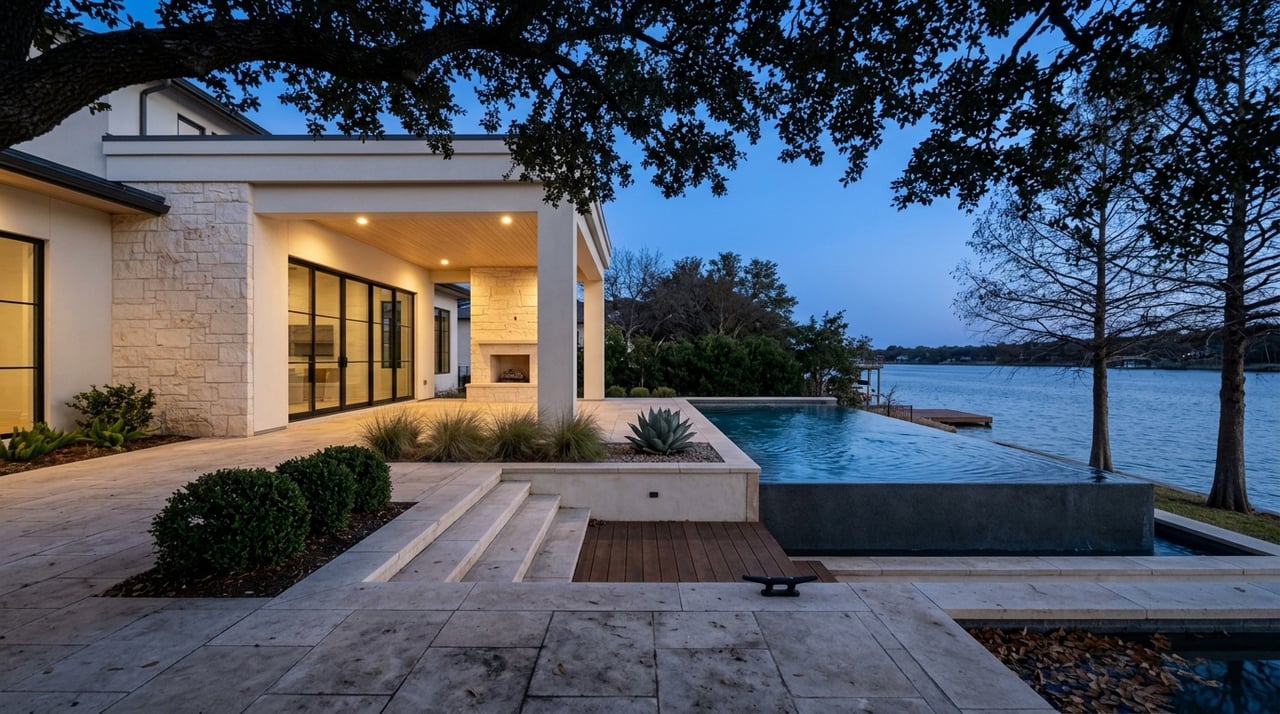
Buying on Lake Austin can feel simple at first. You see the water, picture the dock, and imagine weekends on the boat. But a waterfront property in Overlook At West Lake can vary a lot from one lot to the next, even when the homes seem similar on paper. If you want a property that truly fits your lifestyle, you need to look beyond frontage and views. Let’s dive in.
Start With How Lake Austin Works
Lake Austin is often seen as a more predictable waterfront setting than a large storage reservoir. The City of Austin describes it as a relatively small, narrow pass-through lake between Lake Travis and Lady Bird Lake, and LCRA notes that while these smaller pass-through lakes usually operate within a small range, they can still fluctuate during floods.
That matters because you are not buying a static backdrop. You are buying on a regulated waterbody that supports recreation, shoreline infrastructure, and Austin’s drinking-water system. A smart purchase starts with realistic expectations about water levels, access, and maintenance.
Look Beyond Simple Waterfront Frontage
On Lake Austin, more frontage does not always mean more value. The shoreline is highly developed, and site-specific details often matter more than a raw frontage number.
When you compare homes in and around Overlook At West Lake, focus on the full waterfront experience. The most important differences often come down to lot shape, slope, shoreline usability, privacy, and whether the site supports the improvements you want.
Key Value Drivers to Compare
- Lot topography and buildability
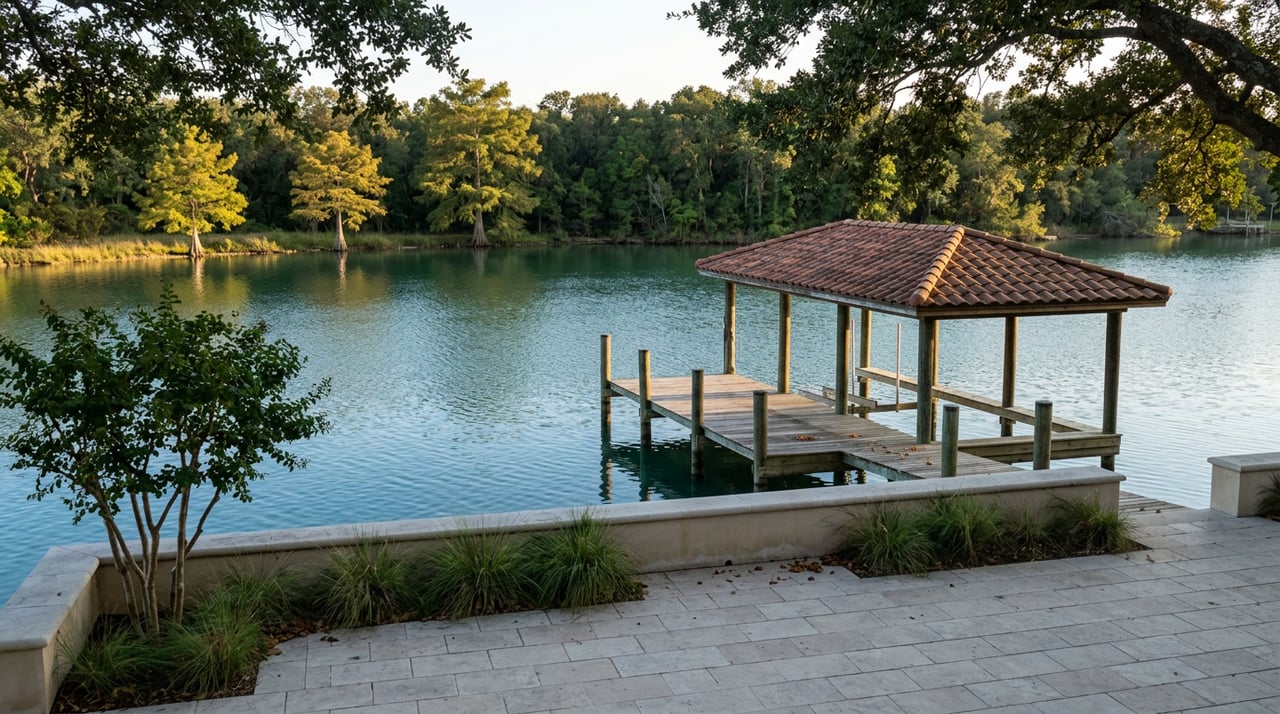
- Dock rights and boat access
- Privacy and shoreline exposure
- Drive time to daily destinations
- Vegetation and maintenance realities
- Existing permits and improvement history
Check Lot Topography Early
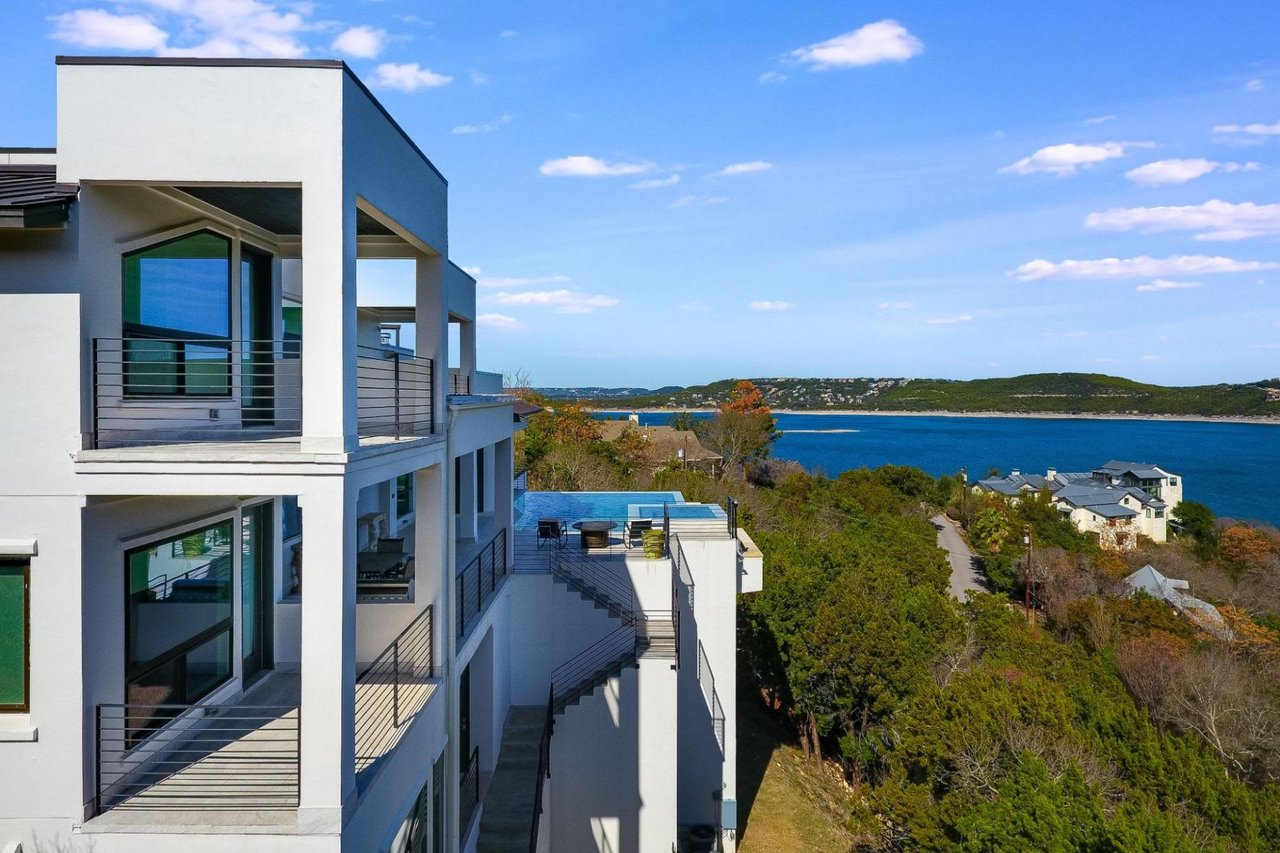
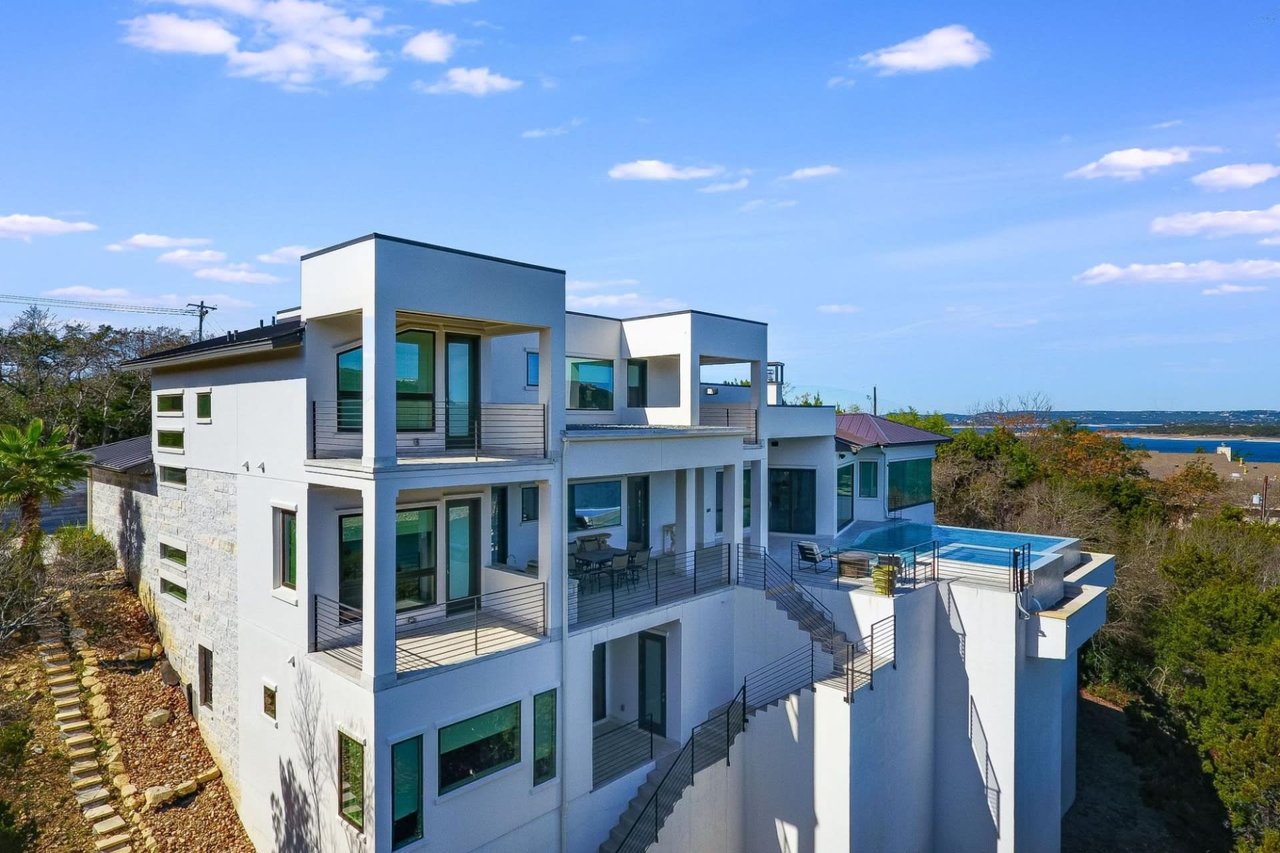
A sloped lot can be beautiful. It may give you better views and a stronger sense of separation from the shoreline. At the same time, a steeper site can create more grading, drainage, and engineering complexity.
Austin’s shoreline and dock review materials flag certain conditions for added review, including tracts in a flood plain, critical water quality zones, and tracts with a gradient greater than 15 percent. Lake Austin zoning materials also identify slopes greater than 35 percent as a common reason for extra review.
Why Slope Affects Your Plans
If you hope to renovate, expand, or improve access to the water, slope becomes more than a design detail. It can influence cost, timeline, and the type of approvals you may need.
This is especially important if you are comparing one home that is move-in ready with another that looks like a value play. On a waterfront property, the cheaper option may bring more site complexity than expected.
Confirm Dock Rights, Not Just Waterfront Ownership
One of the biggest mistakes buyers make is assuming that waterfront ownership automatically includes dock rights. It does not. LCRA says buyers need to verify submerged-land ownership or permission, and Austin requires an approved site plan or site-plan exemption before issuing a boat-dock permit.
If a dock already exists, that does not end the conversation. The dock must be registered with the City after construction, and permit history matters.
Ask These Dock Questions
- Does the survey show the shoreline clearly?
- Is there an existing dock registration?
- Does the dock have a clean permit history?
- Were any shoreline improvements added without permits?
- Is the location suitable for safe boat access?
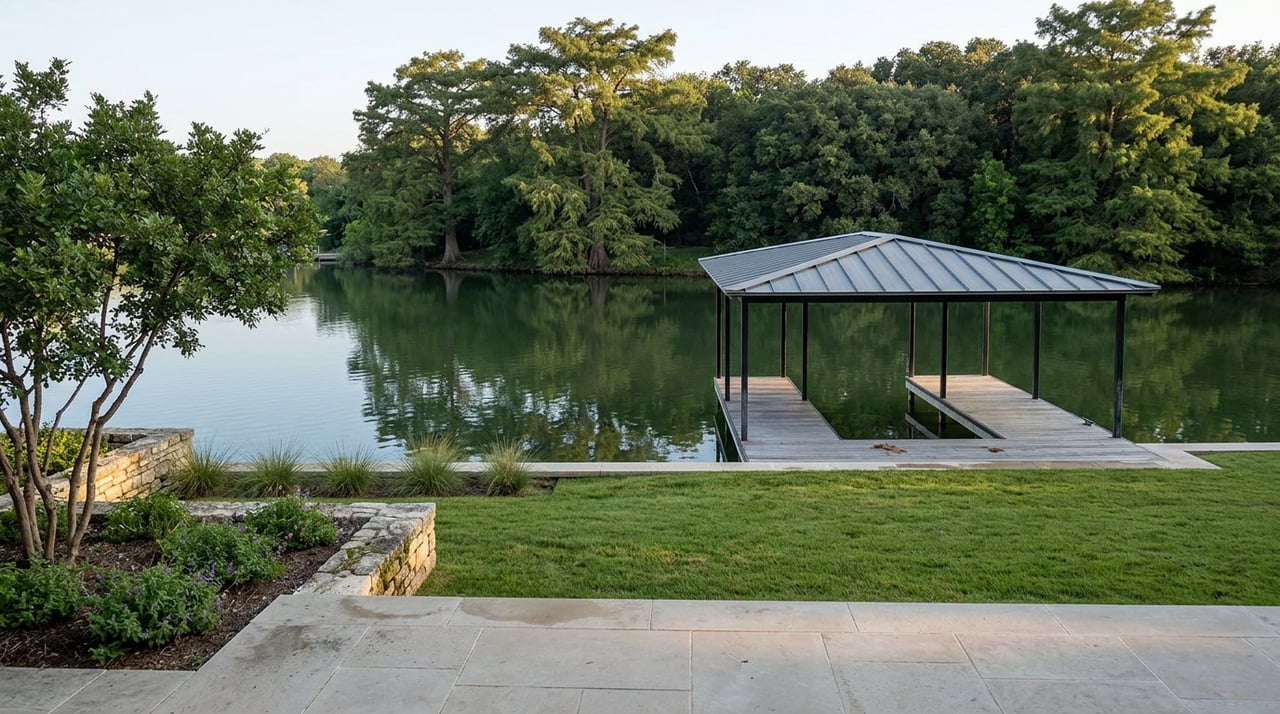
LCRA also notes that not every lakeside location is suitable for a dock. A cove may be shallow, narrow, rocky, or otherwise hazardous. So even if a lot looks attractive from the street, the boating experience may be very different once you evaluate the shoreline.
Evaluate Privacy and Shoreline Exposure
Privacy is a major reason many buyers look at Lake Austin property. But privacy is not only about distance from neighbors. It can also depend on topography, shoreline structures, and how close the property is to public-use areas.
For example, public access points on Lake Austin include Walsh Boat Landing and Emma Long Metropolitan Park, which sees heavy seasonal public use. A property near active public access may feel less secluded than a more protected cove, even if both offer similar views.
What to Notice During a Showing
When you tour a property, pay attention to:
- Boat traffic in that stretch of the lake
- Visibility from neighboring docks or shoreline structures
- Noise from nearby public access or recreation areas
- The feel of the cove versus open-water exposure
Austin’s shoreline access standards also note that some access structures may need screening from view. That is another reason to study the property as a whole, not just the main house.
Compare Different Parts of the Lake
Not every part of Lake Austin feels the same. The City of Austin’s 2026 vegetation update shows clear differences along the reservoir.
The upper five miles from Mansfield Dam to Lake Austin Spa had hydrilla bank-to-bank. The middle portion from Commons Ford Park to Emma Long Metropolitan Park had little hydrilla. The lower portion between Ski Shores Café and Tom Miller Dam still had thick shoreline hydrilla, along with growth in coves, canals, and sloughs.
Why Vegetation Matters
Shoreline vegetation affects more than appearance. It can change boating access, dock usability, and routine maintenance planning.
The city says herbicides are not allowed on Lake Austin, and mechanical removal is the recommended short-term response. For you as a buyer, that means vegetation is part of the livability equation. Two homes at similar price points may come with very different upkeep and water-access expectations.
Think About Daily Convenience
Lake Austin is part of Austin’s in-city waterfront market. Because of its location between Lake Travis and Lady Bird Lake, proximity to the urban core can strongly influence value.
In practical terms, that means you should compare real drive patterns instead of assuming every waterfront address offers the same convenience. In and around Overlook At West Lake, a property’s appeal may depend not just on the shoreline, but also on how easily you can reach downtown Austin and everyday destinations.
Review Utilities and Shoreline Responsibility
Waterfront due diligence should include more than the house and dock. You also want to confirm how the property functions day to day.
LCRA’s On-Site Sewage Facilities Program includes inspection and permitting near the Highland Lakes, so buyers should confirm whether a property is connected to sewer or uses an on-site sewage facility. You should also verify who is responsible for shoreline debris and maintenance. LCRA says most shoreline and lakebed around the Highland Lakes is privately owned, and it does not remove debris from private property.
Understand Which Authority Controls What
One reason Lake Austin purchases can feel complex is that different local authorities may be involved. LCRA notes that parts of the Highland Lakes watershed are administered by different local governments, so buyers should confirm which entity controls the permit path for a specific parcel.
That step matters if you plan to change grading, contouring, fill, dredge and fill work, shoreline access, or dock improvements. Assumptions can slow a project or create unexpected costs.
Use a Smart Offer Checklist
Before you write an offer on a Lake Austin waterfront property, make sure you can answer a few key questions with confidence.
Questions to Resolve Before You Buy
- Does the survey show the shoreline, dock, easements, and any shared-use rights?
- Is there clear evidence of dock registration and permit history?
- Were any bulkheads, docks, or shoreline improvements modified without approval?
- Is the lot steep, flood-prone, or likely to trigger added review?
- Is the property on sewer or an on-site sewage facility?
- Who handles permitting for this parcel?
- Who is responsible for shoreline maintenance and debris?
- Does the shoreline support the boating lifestyle you expect?
These questions can help you avoid the most common waterfront mistakes. On Lake Austin, the biggest issues are often not about the view. They are about access rights, shoreline usability, and whether the property can actually support the way you want to live.
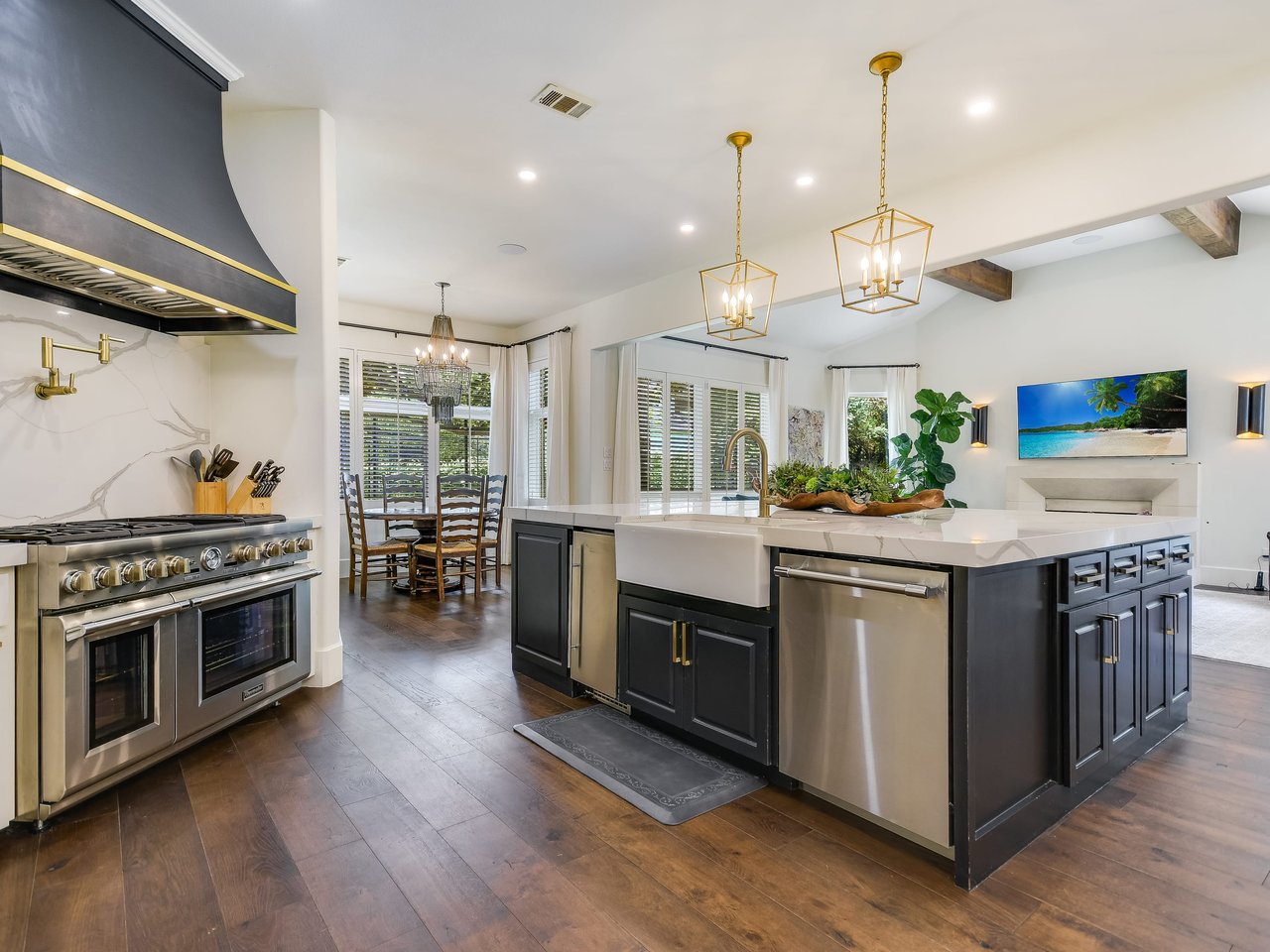
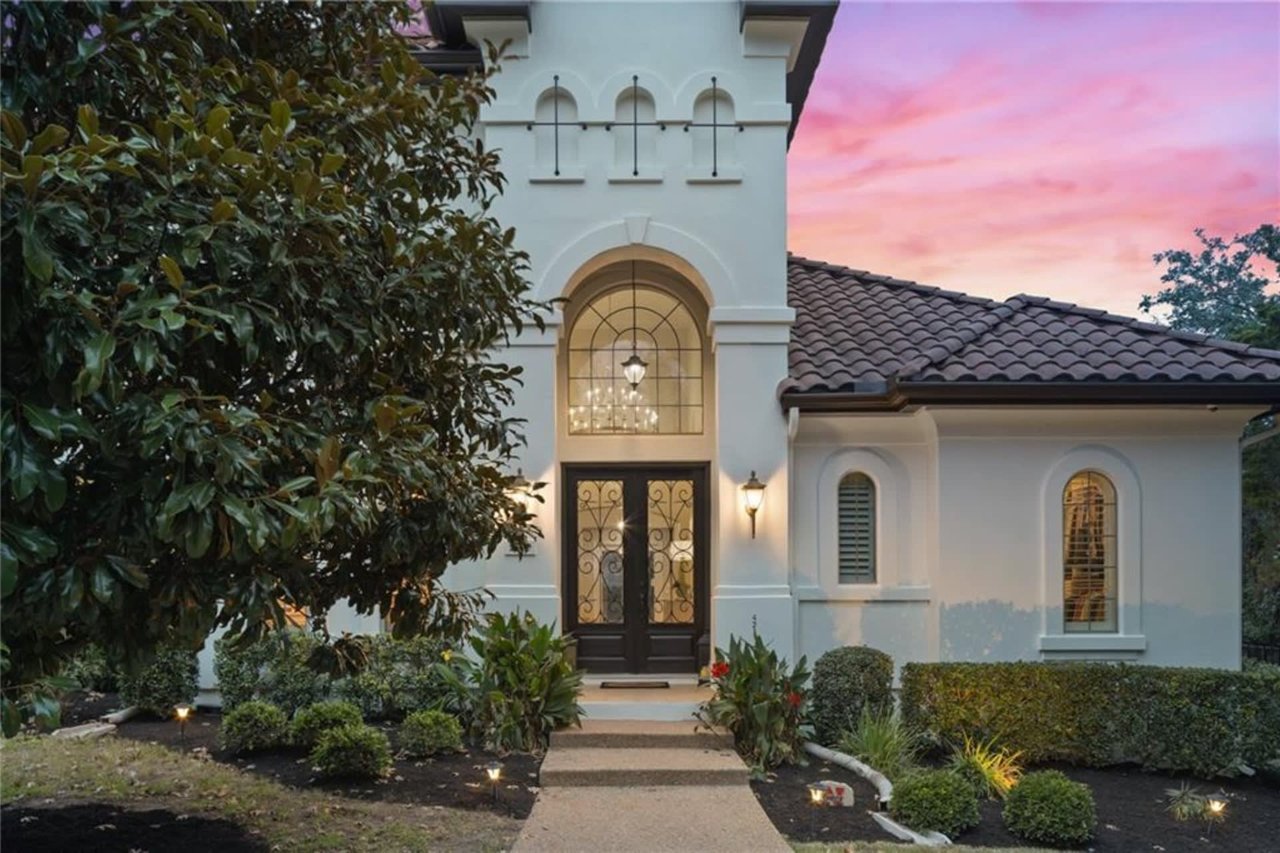
Choose for Lifestyle, Not Just the Listing Photos
The right Lake Austin property should work both as a home and as a waterfront setting. That means balancing beauty with practical details like slope, dockability, privacy, vegetation, and long-term usability.
In a luxury market like Overlook At West Lake, that kind of evaluation matters even more. A thoughtful buying process can protect your time, your investment, and your day-to-day enjoyment of the property.
If you are considering a Lake Austin waterfront home and want experienced, locally grounded guidance, the Kathryn Scarborough Group can help you evaluate the details that matter most.
FAQs
What should you check first when buying a Lake Austin waterfront property?
- Start with lot topography, dock rights, shoreline usability, and permit history, since these factors often have a bigger impact than simple waterfront frontage.
Does owning waterfront property on Lake Austin automatically include dock rights?
- No. LCRA says buyers must verify submerged-land ownership or permission, and Austin requires the proper site-plan approval or exemption before a dock permit can be issued.
Why does shoreline vegetation matter for a Lake Austin home?
- Vegetation can affect boating access, dock usability, maintenance needs, and the overall feel of the shoreline, and the city manages Lake Austin vegetation under local rules.
How does lot slope affect a Lake Austin waterfront purchase?
- A steeper lot may offer stronger views, but it can also add grading, drainage, engineering, and permitting complexity, especially when future improvements are planned.
What due diligence is important for a waterfront home in Overlook At West Lake?
- Review the survey, confirm dock registration and permit history, check utility and sewage setup, assess shoreline maintenance responsibility, and verify which local authority controls permits for the parcel.