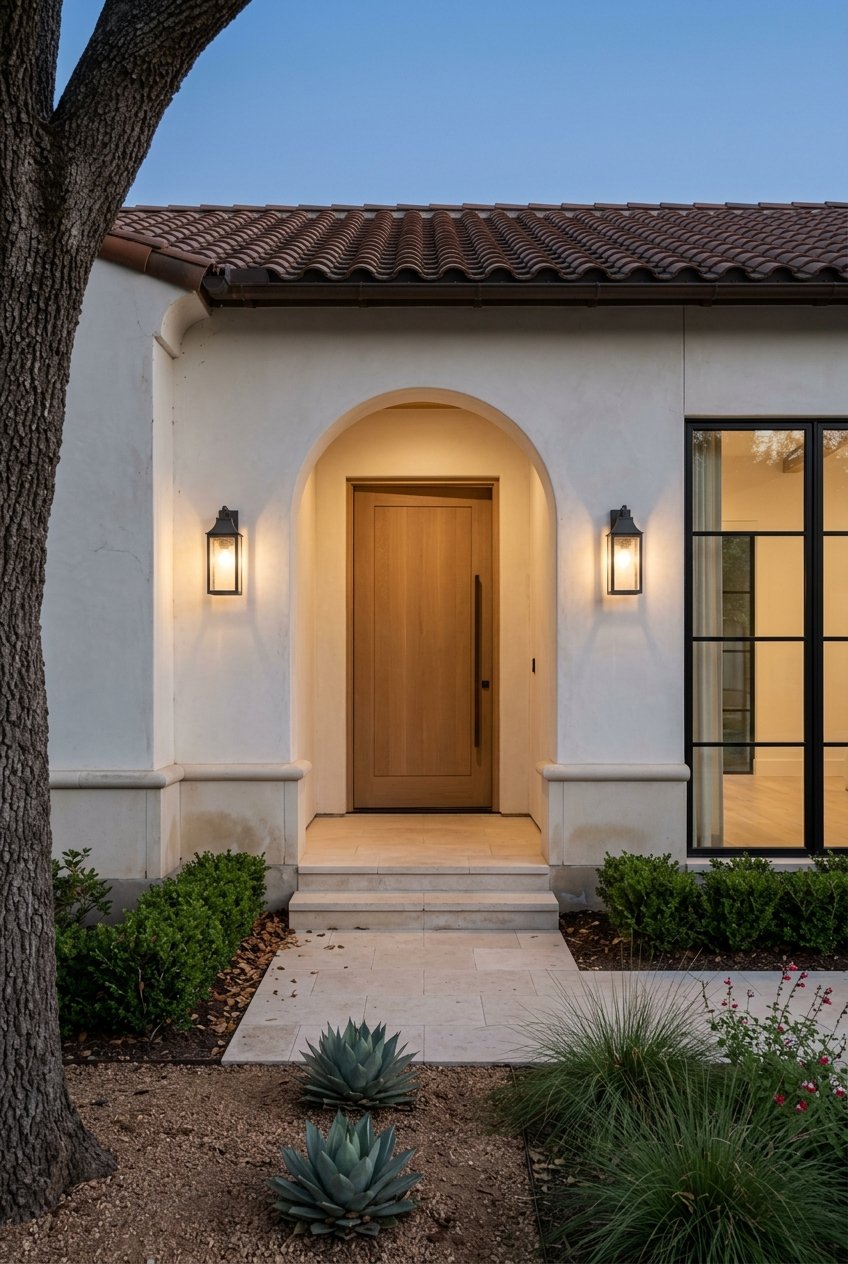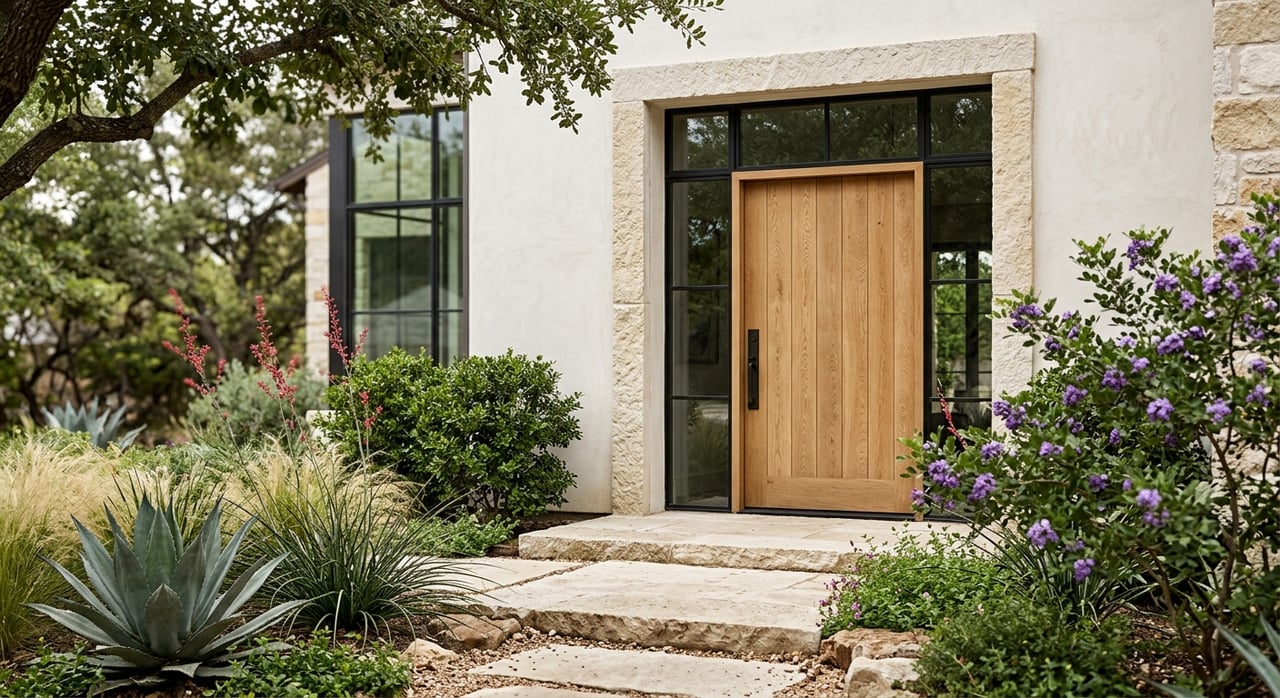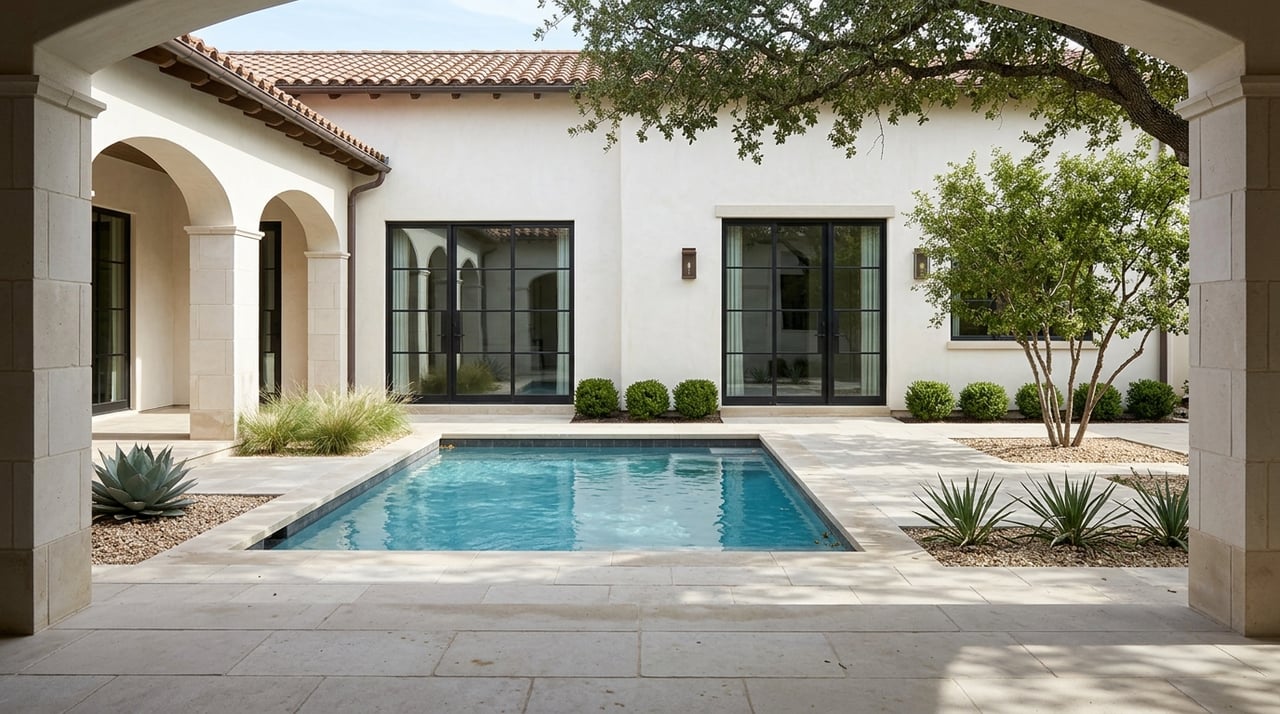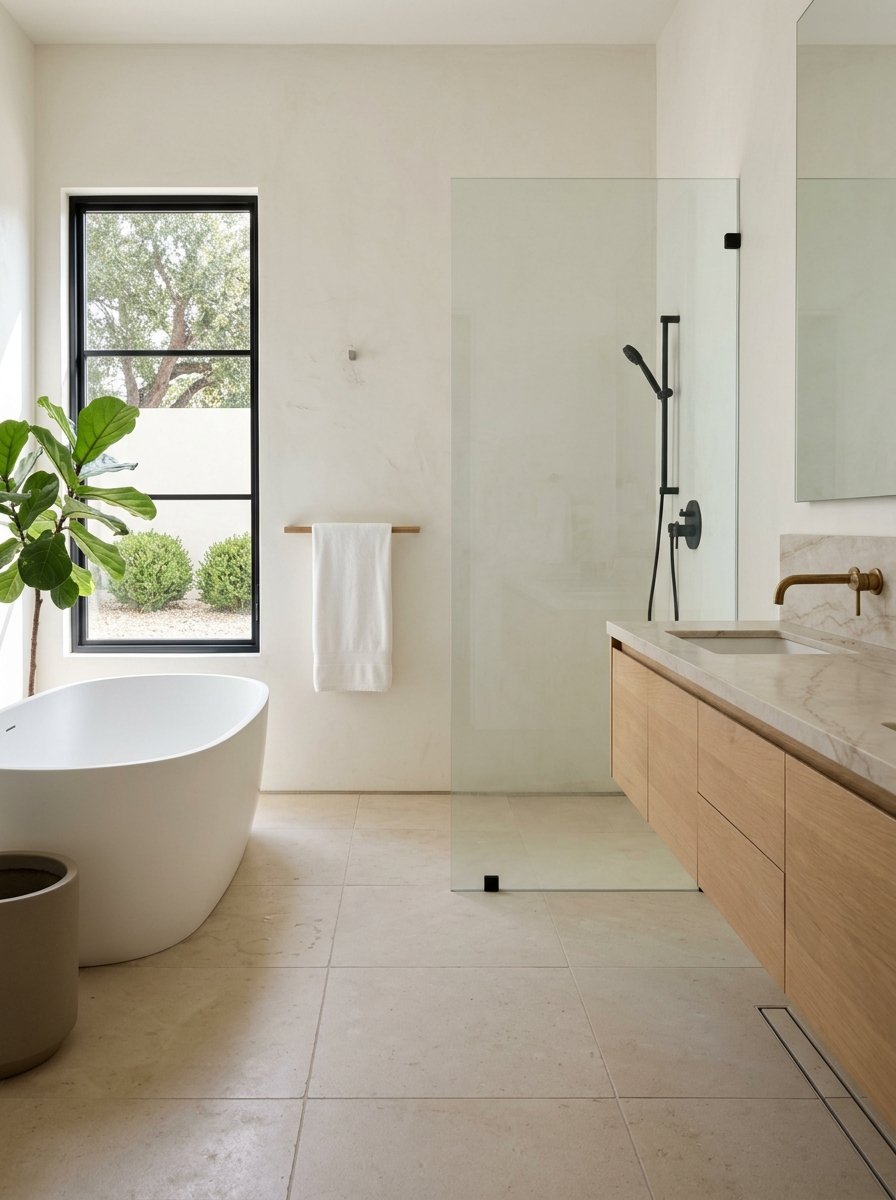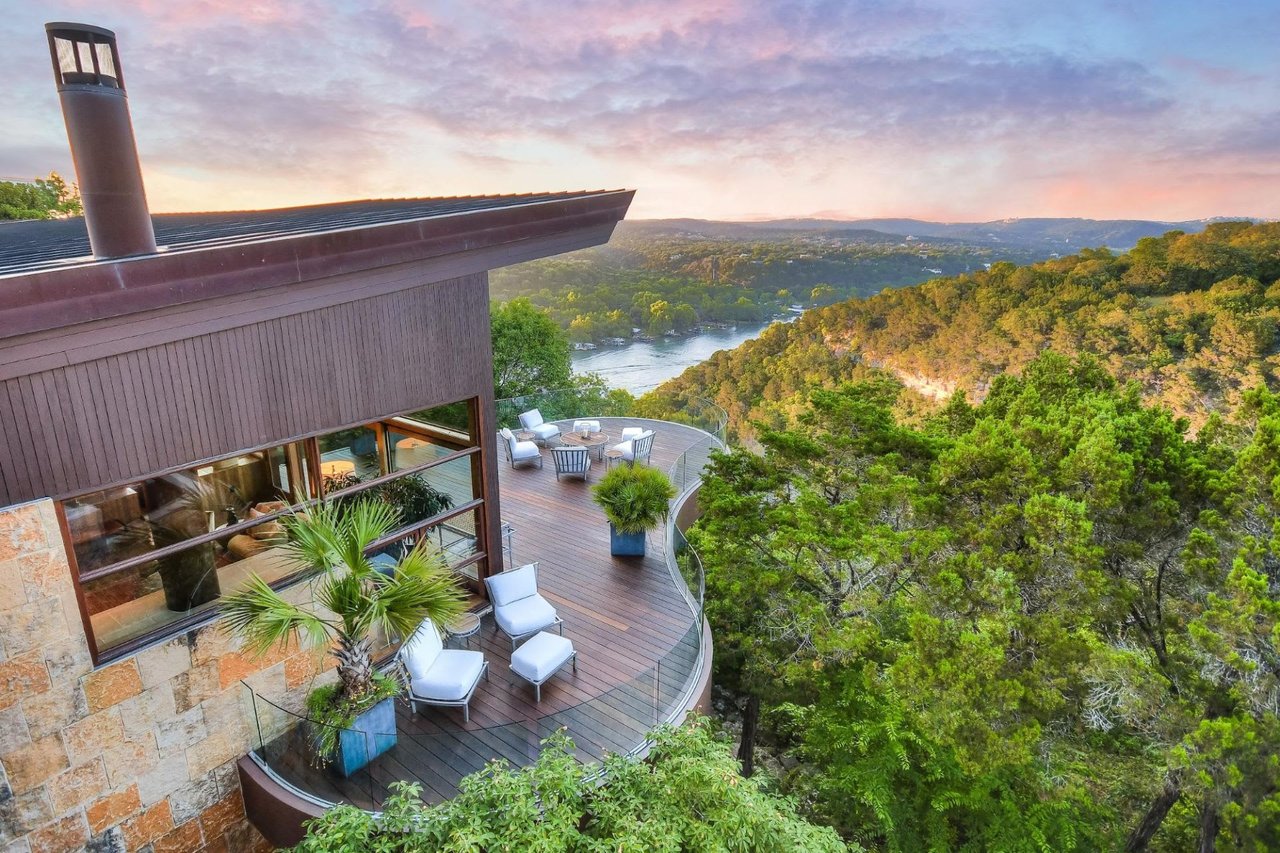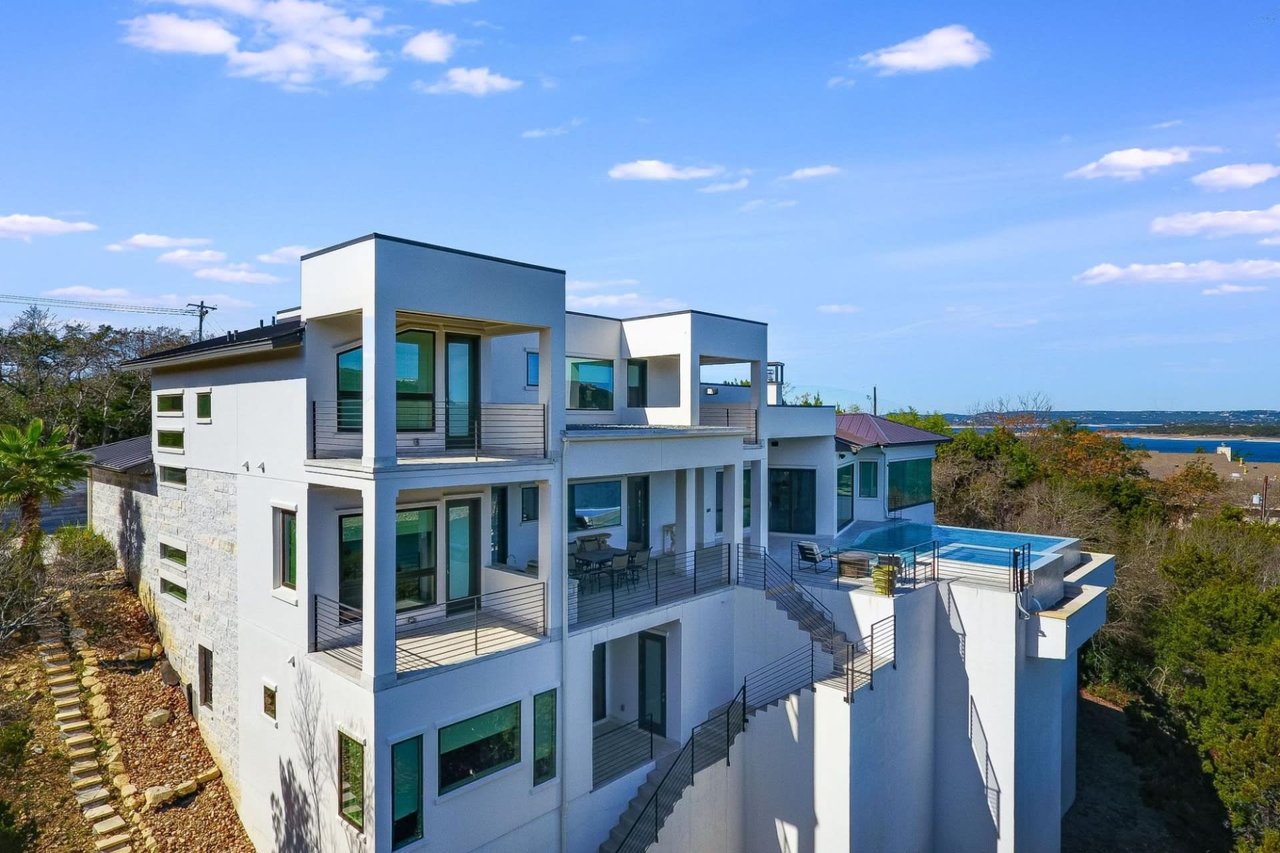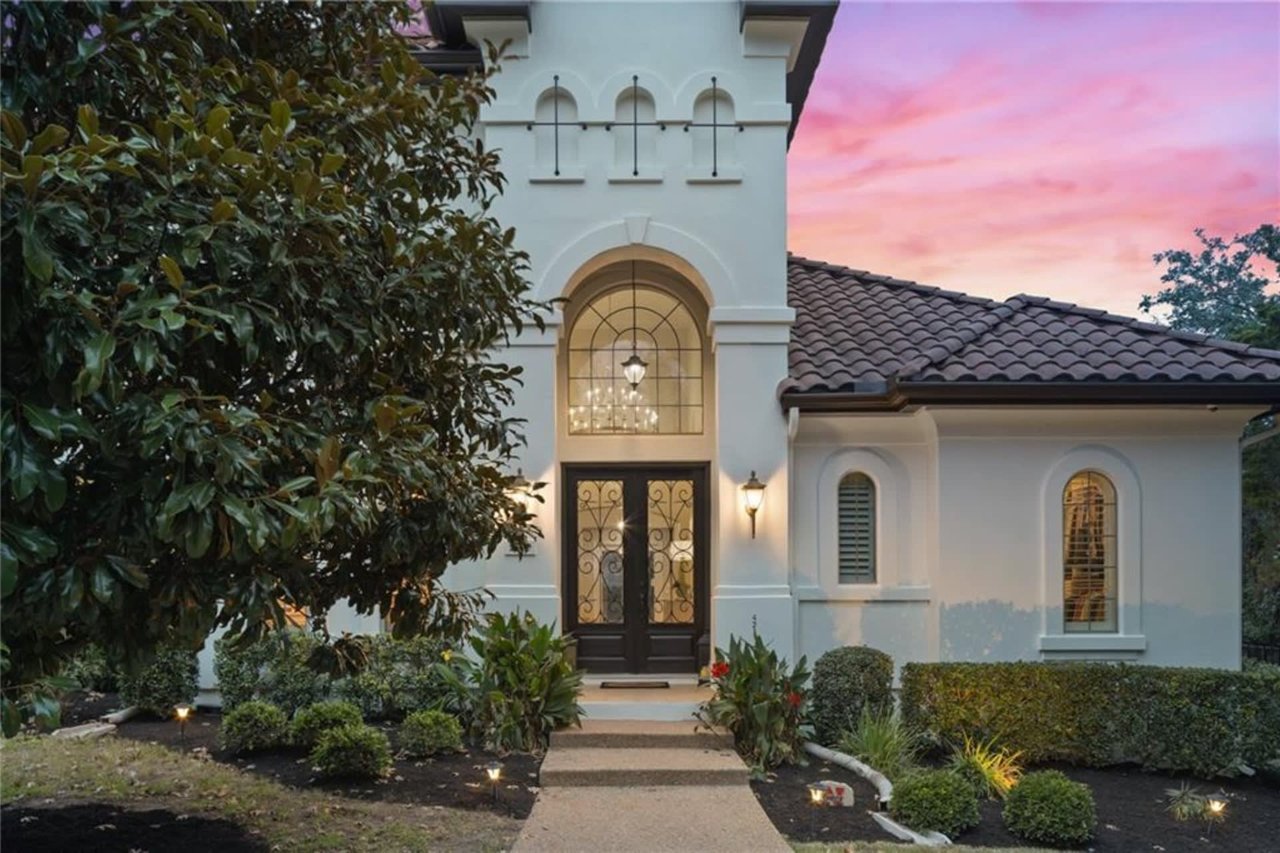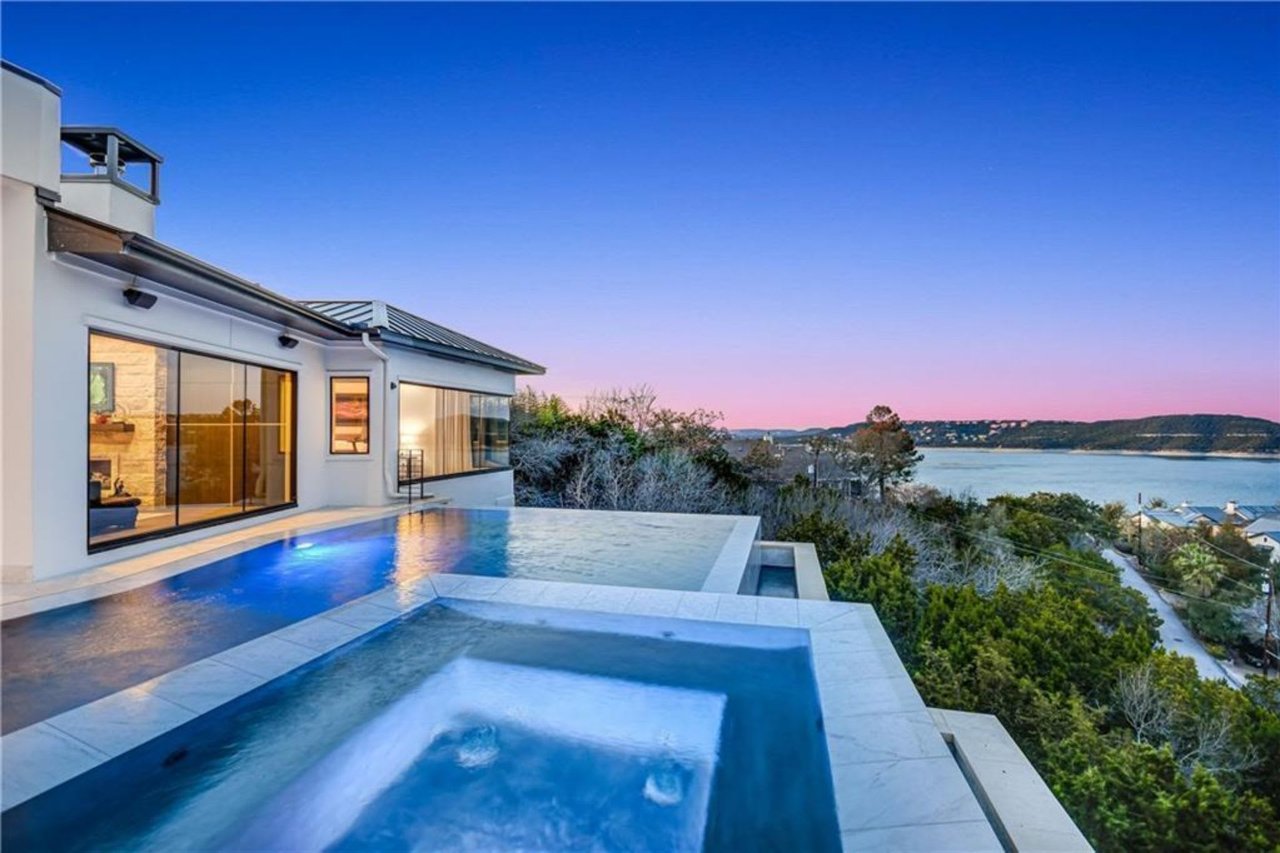
Choosing between a historic home and a modern one in West and Central Austin is not just about style. It is about how you want to live, how much upkeep you want to take on, and what kind of long-term value matters most to you. If you are weighing charm against convenience in and around 78701, this guide will help you understand the tradeoffs, the local market, and the questions worth asking before you move forward. Let’s dive in.
West and Central Austin offer two very different paths
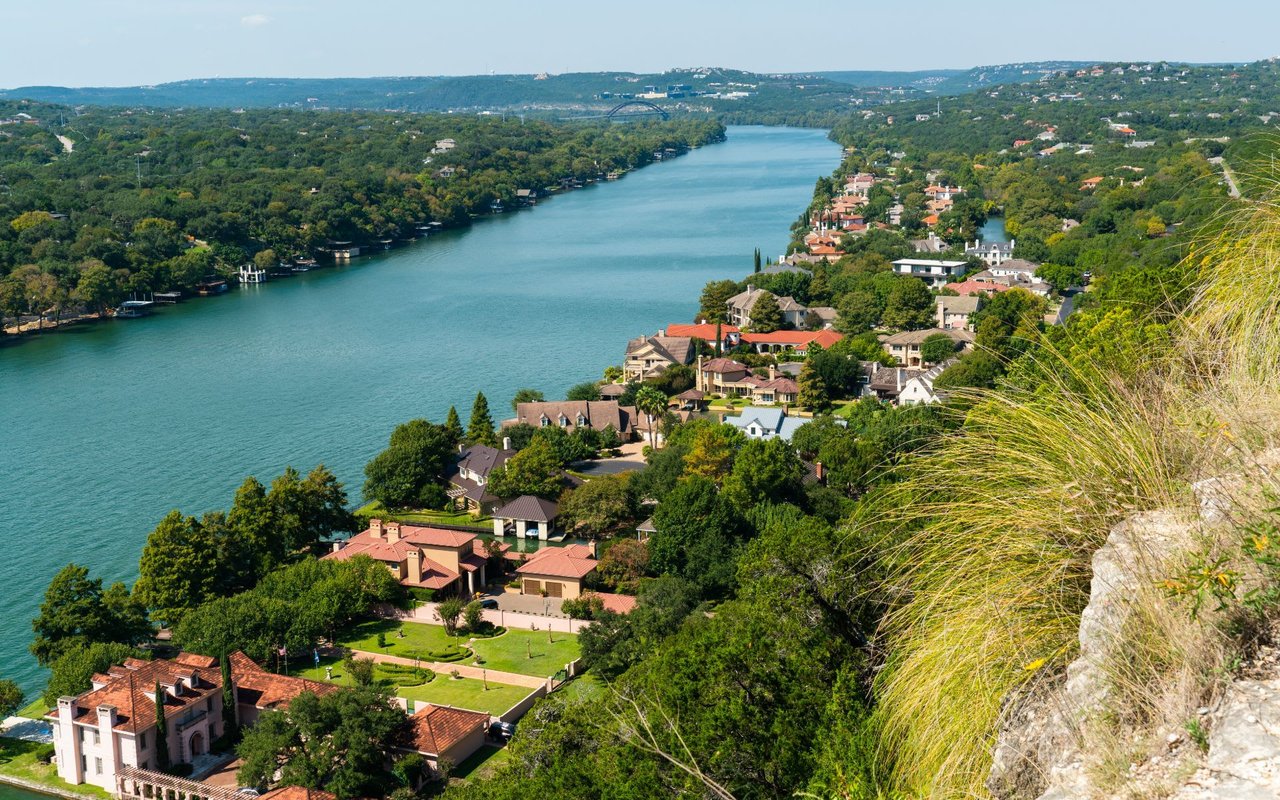
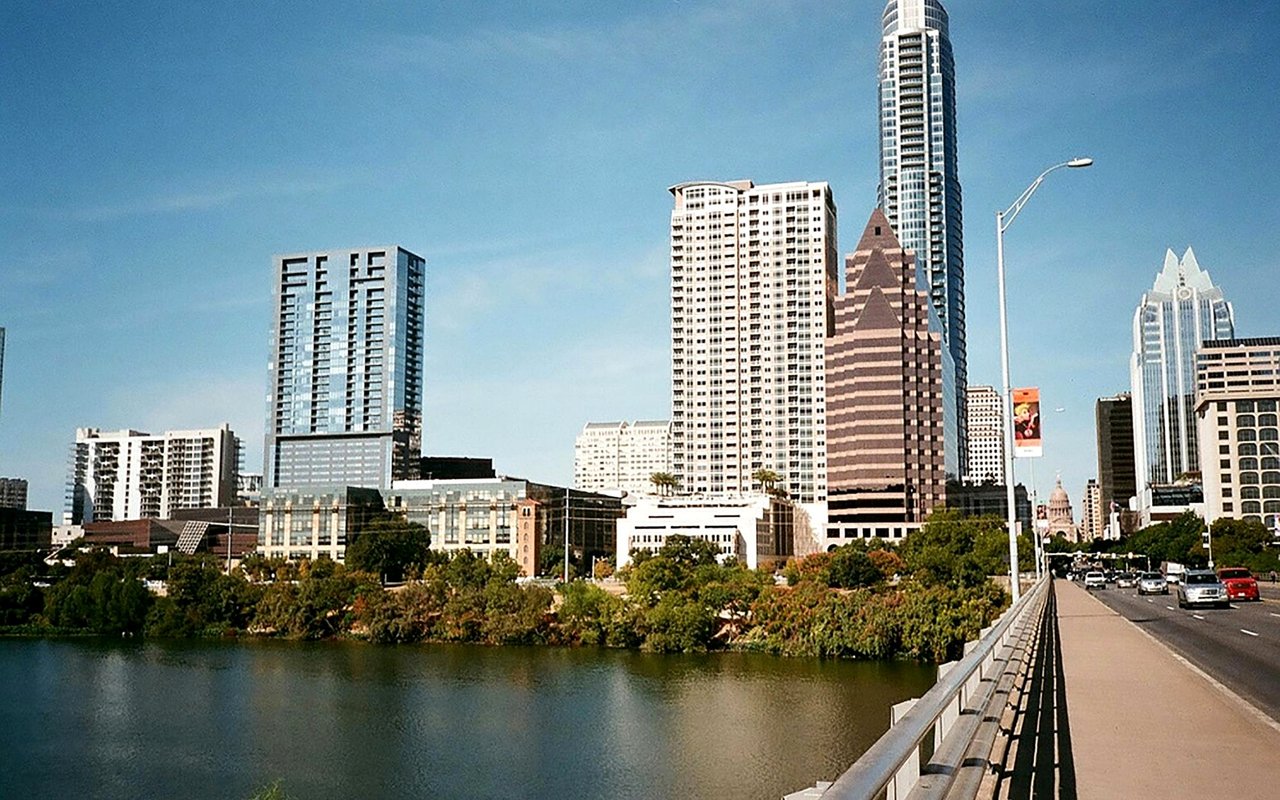
In this part of Austin, the choice often comes down to character versus ease, though the reality is more nuanced than that. Downtown 78701 is a walkable, condo-heavy market with a recent median sale price of about $753,000, around 98 days on market, and a Walk Score of 92, according to Redfin’s 78701 housing market data.
Nearby central and west neighborhoods add a very different housing story. Areas tied to City Council District 9 include Downtown, the Rainey Street Historic District, Hyde Park, Travis Heights, Bouldin Creek, and Mueller, creating a mix of older neighborhood fabric and newer residential growth, according to the City of Austin District 9 overview.
That matters because true historic single-family homes are generally more common in nearby central and west neighborhoods than in 78701 itself. In 78701, recent inventory has been overwhelmingly condo-oriented, based on recently sold data for the zip code.
What counts as a historic home here?
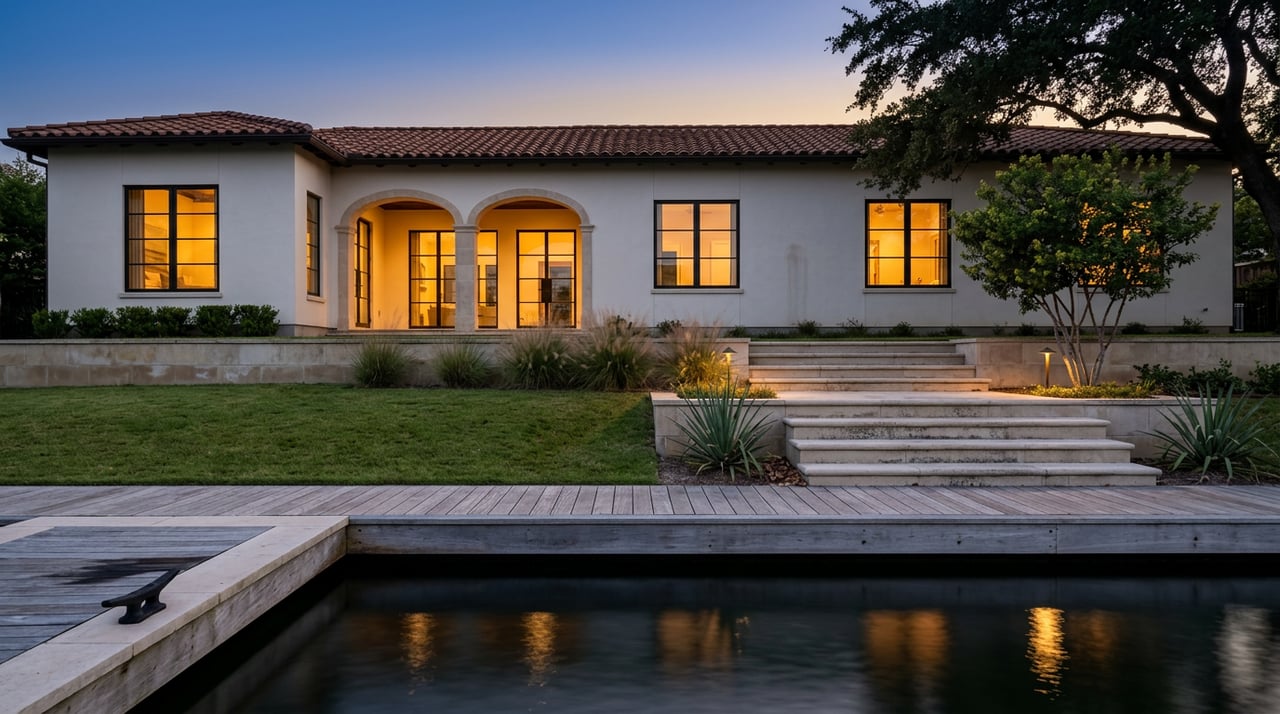
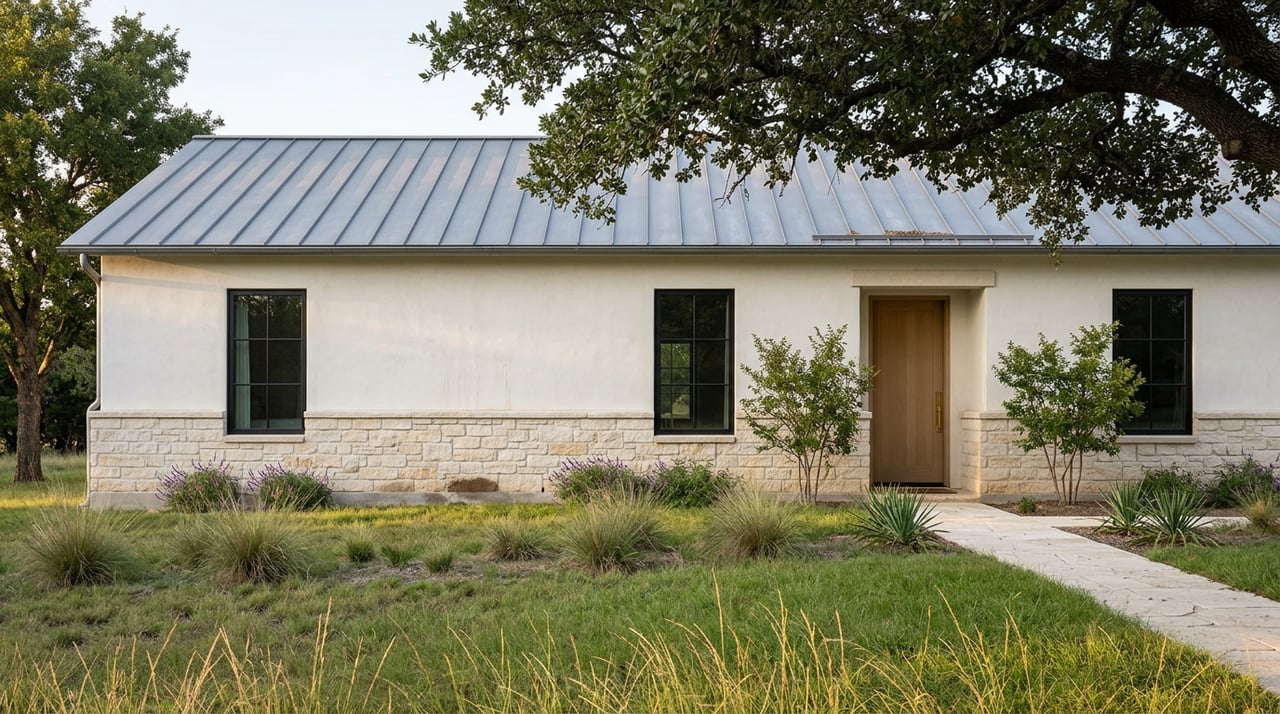
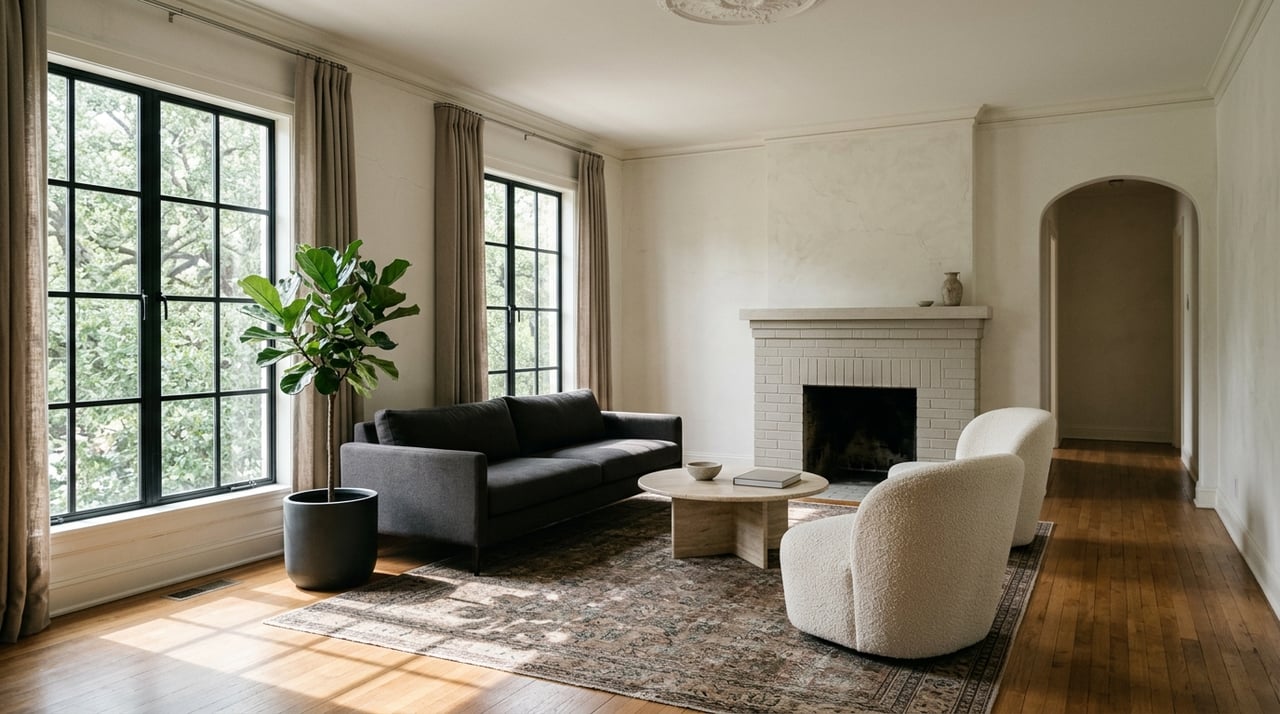
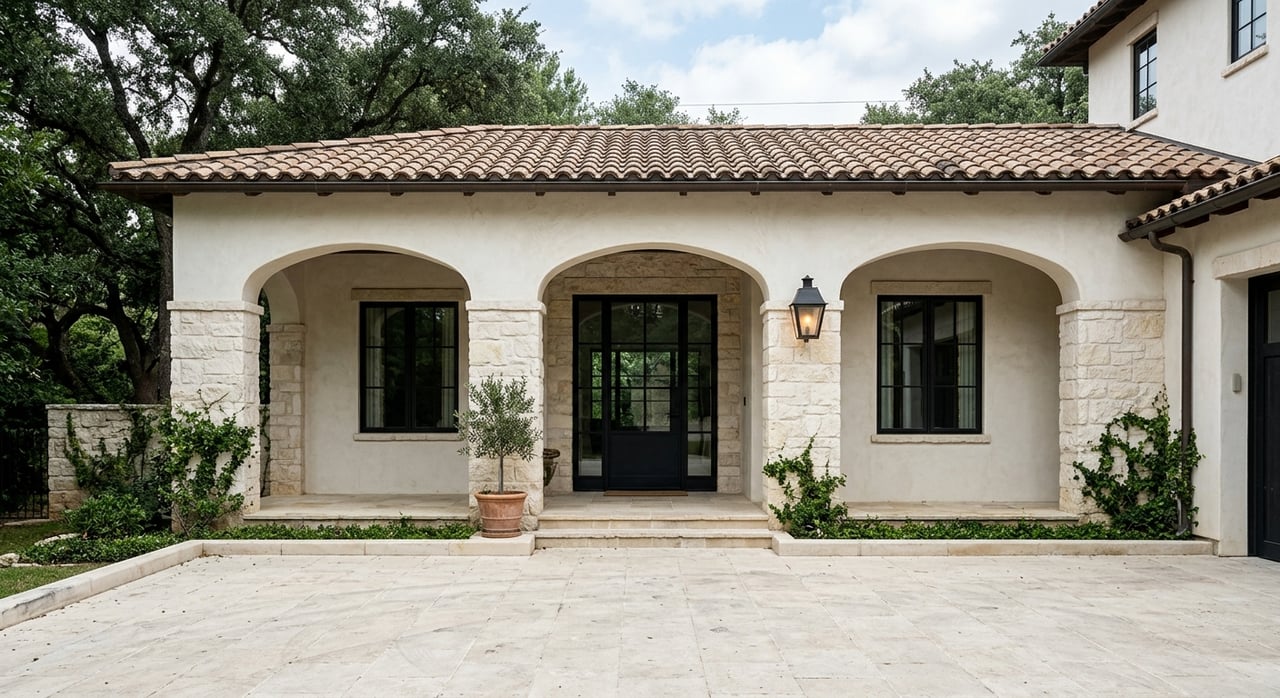
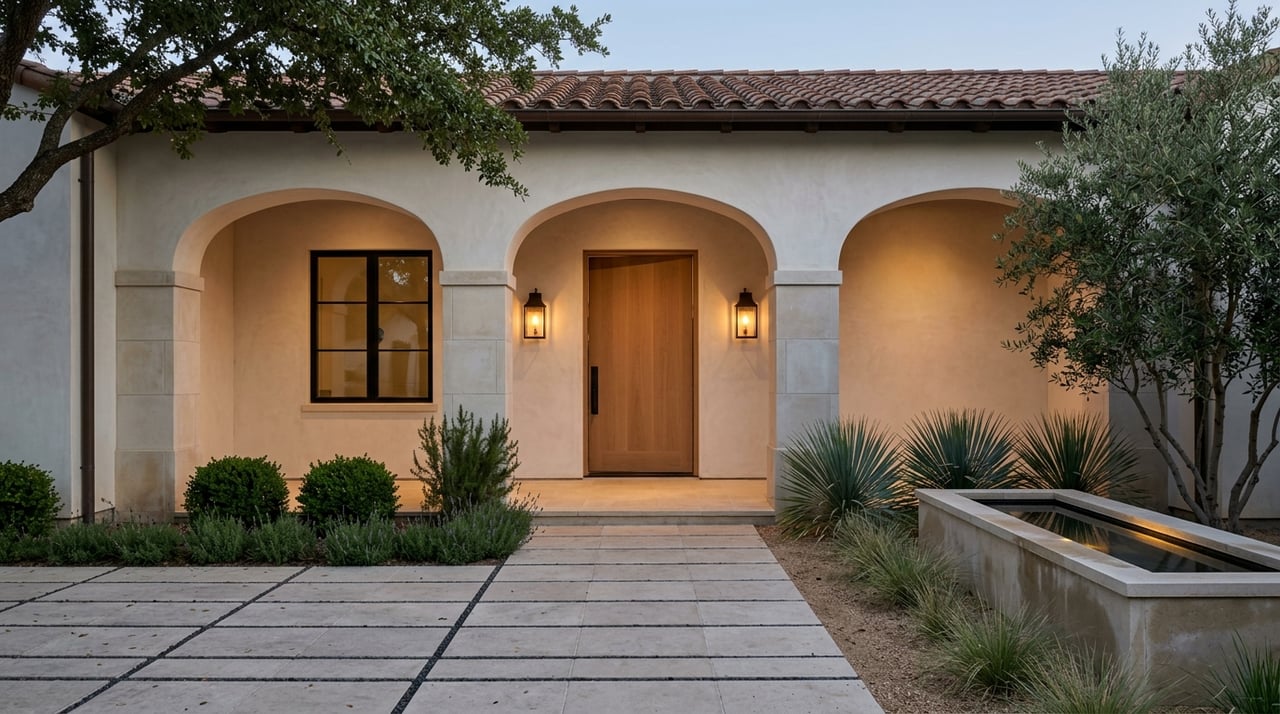
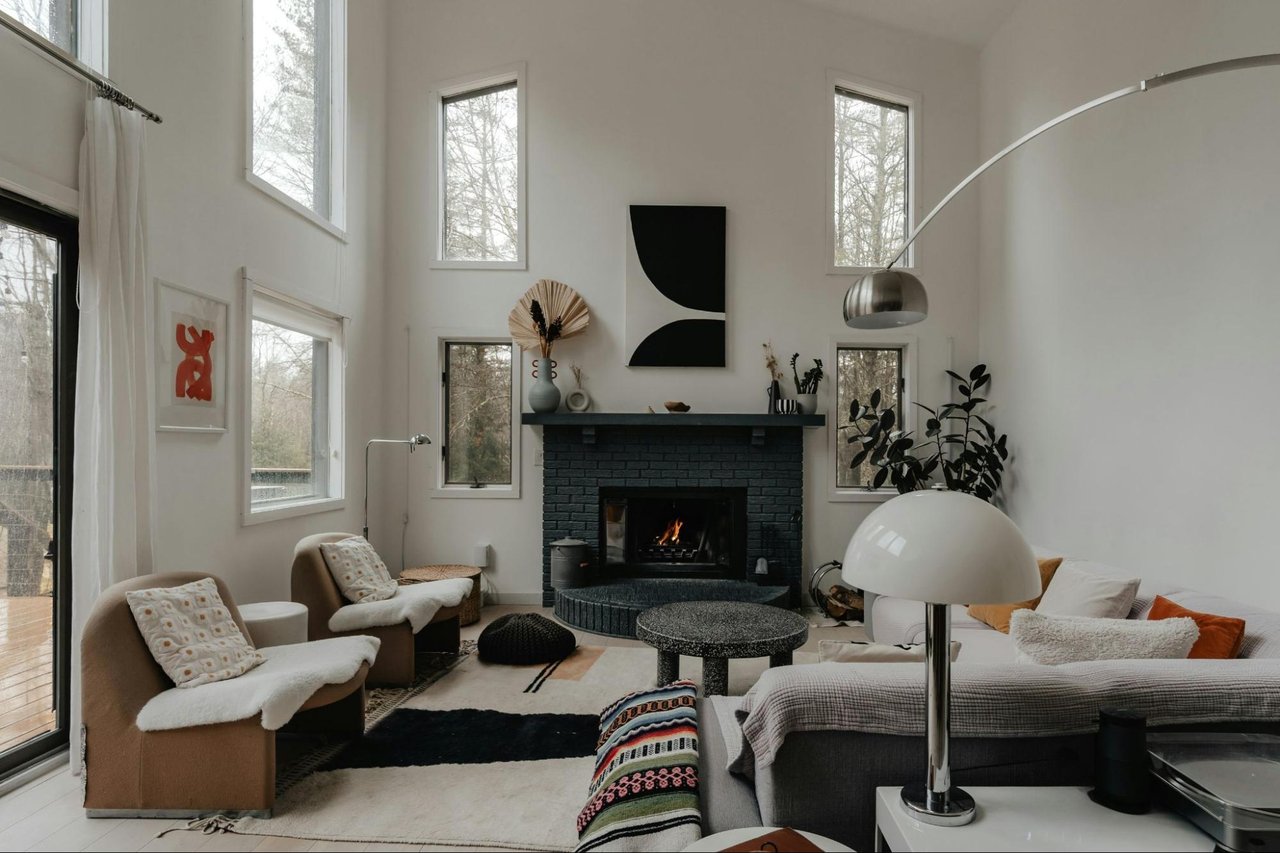
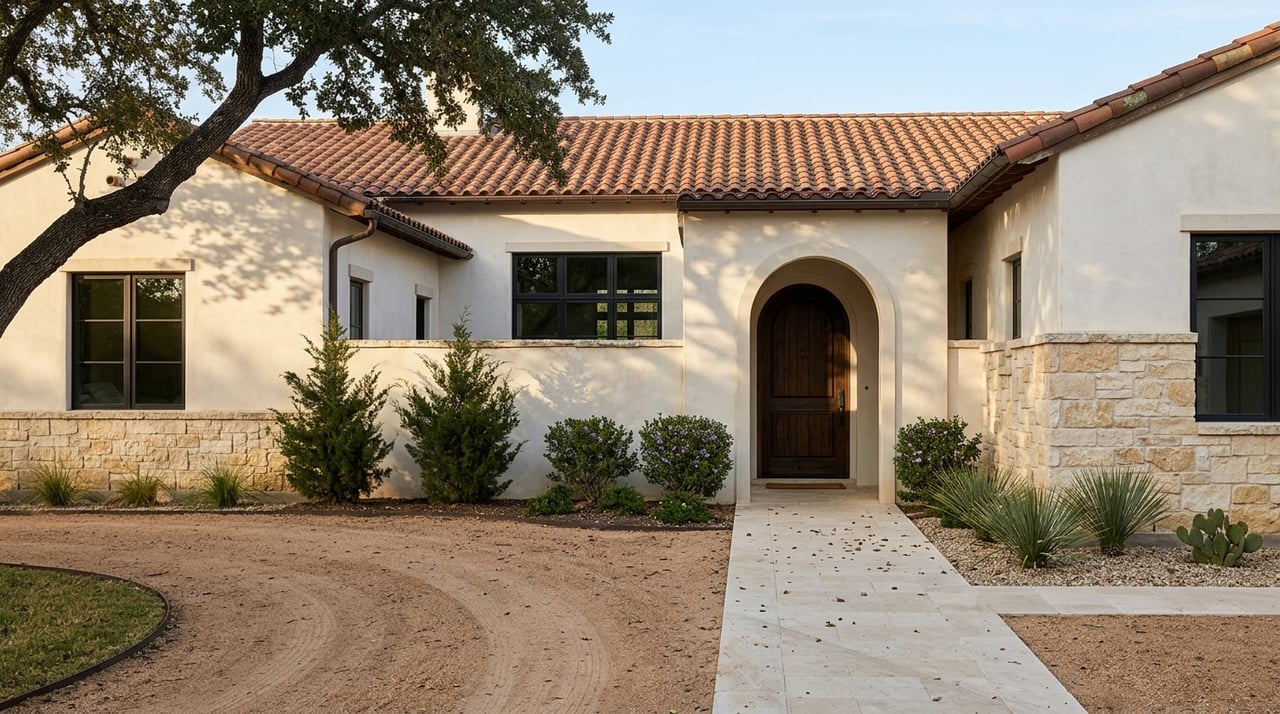
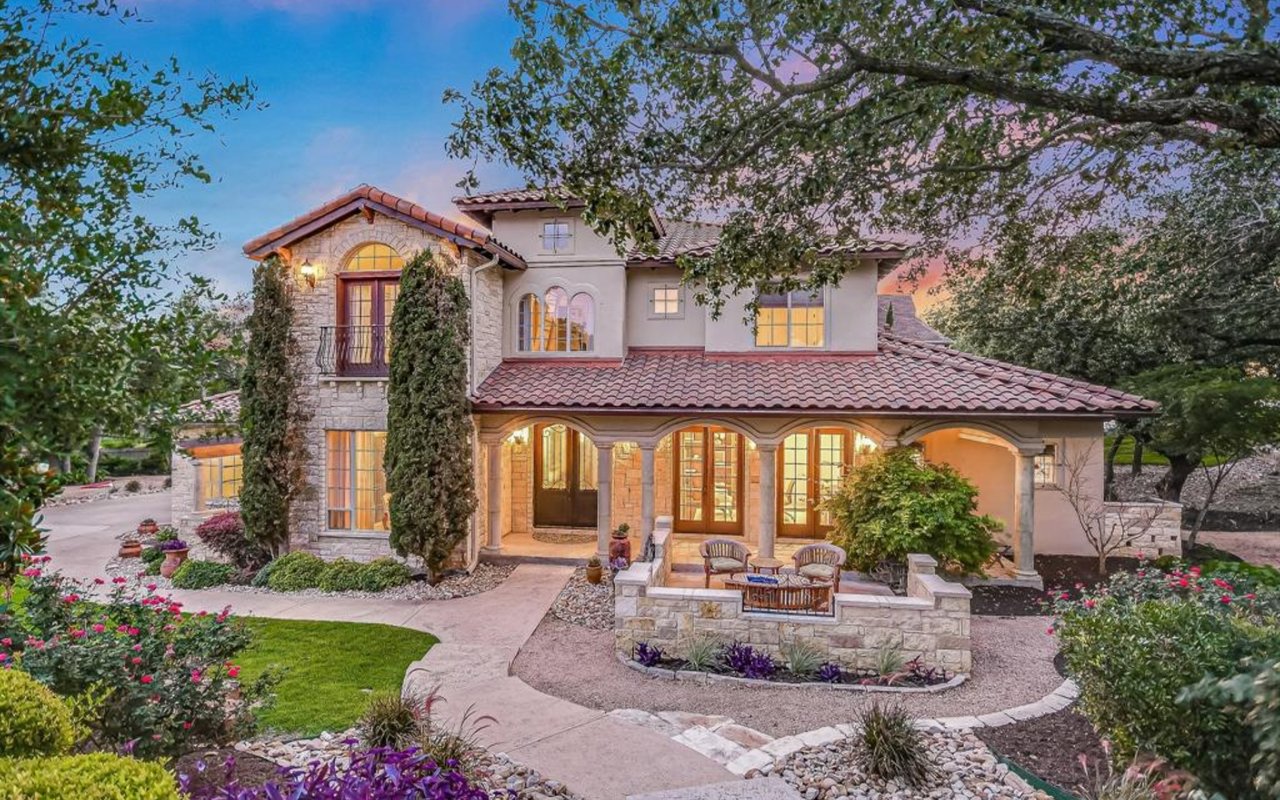
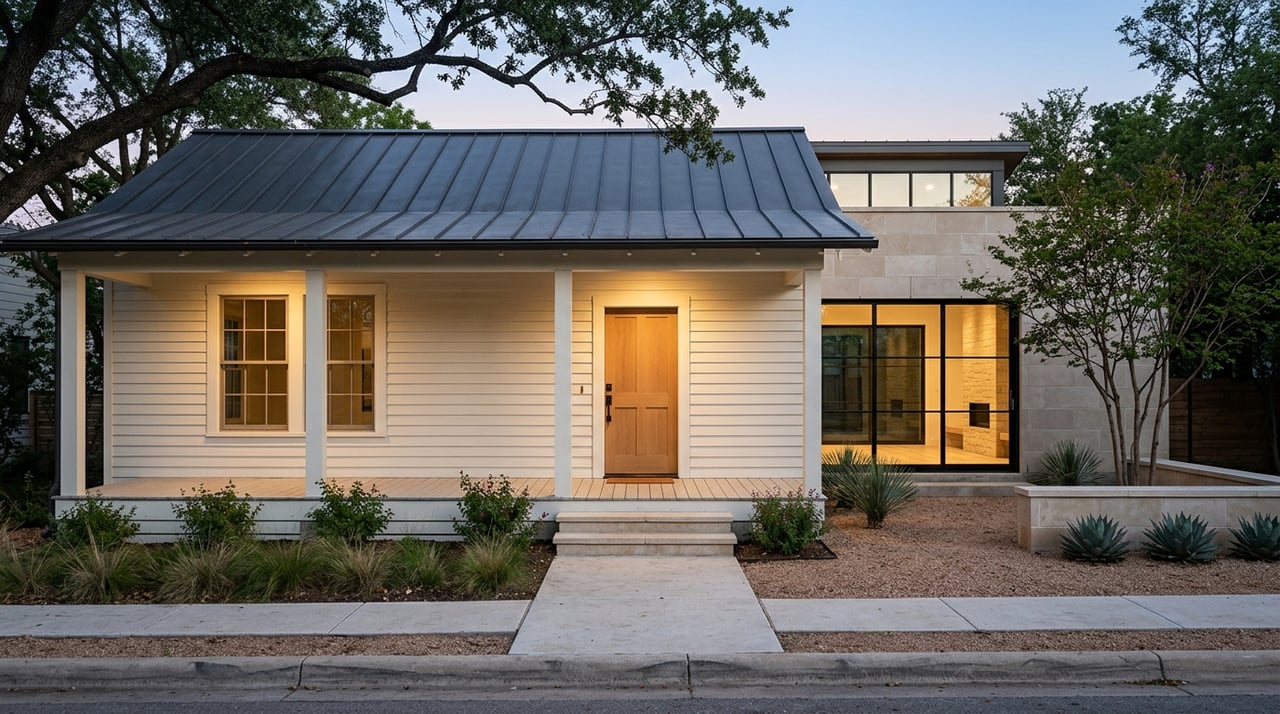
In West and Central Austin, historic homes often mean bungalows, cottages, and early-20th-century residences in established neighborhoods with strong architectural identity. These homes are valued for their detail, scale, mature trees, and the sense of place they create.
Hyde Park is one of the clearest examples. The neighborhood was platted in 1891, and its biggest building boom ran from 1924 to 1935, when bungalows became the dominant home type. The city notes that Hyde Park includes about 640 properties, with roughly 480 contributing structures, and one of the largest concentrations of historic homes in Austin, according to the Hyde Park Local Historic District materials.
Old West Austin adds even more range. The Old West Austin National Register Historic District documentation describes it as the largest historic district in Texas, with roughly 1,600 homes and 2,500 buildings spanning architectural styles from mid-19th-century Greek Revival to mid-20th-century International Style.
Clarksville brings a different kind of historical significance. The city identifies Clarksville as one of the first freedom colonies established west of the Mississippi in Texas, and notes that the Haskell House from about 1875 is the oldest registered structure in the neighborhood.
Why buyers love historic homes
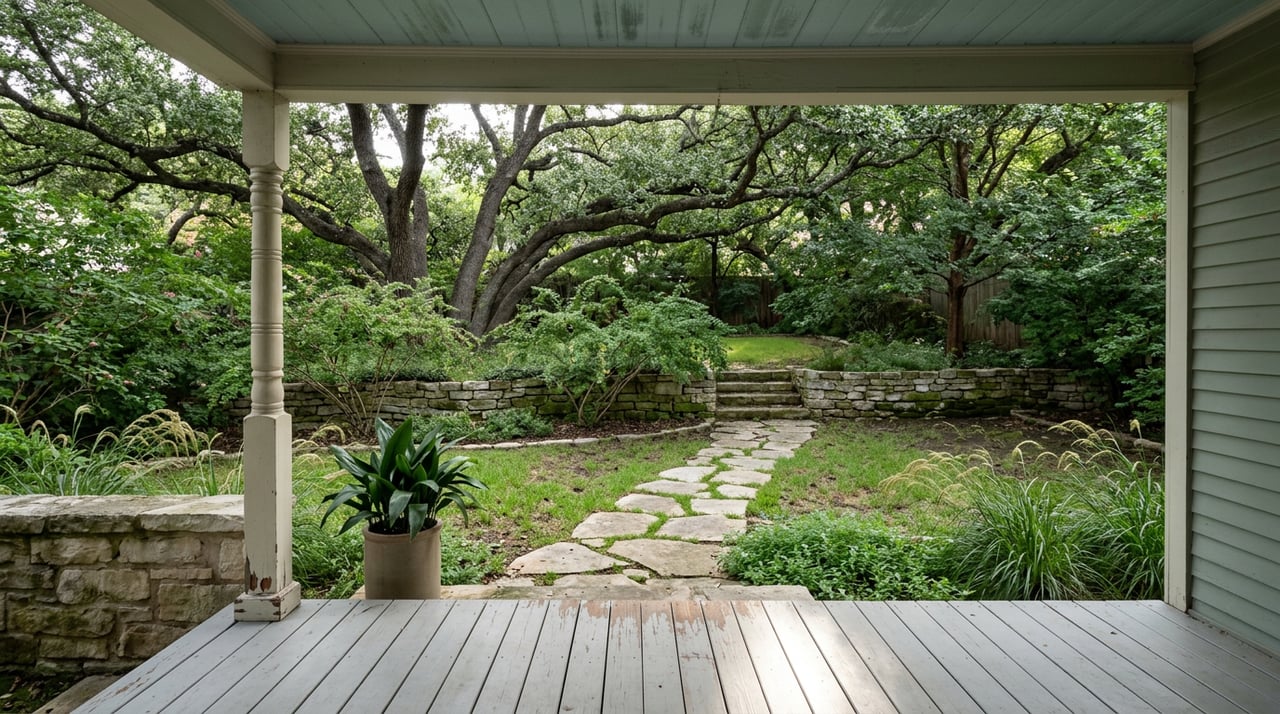
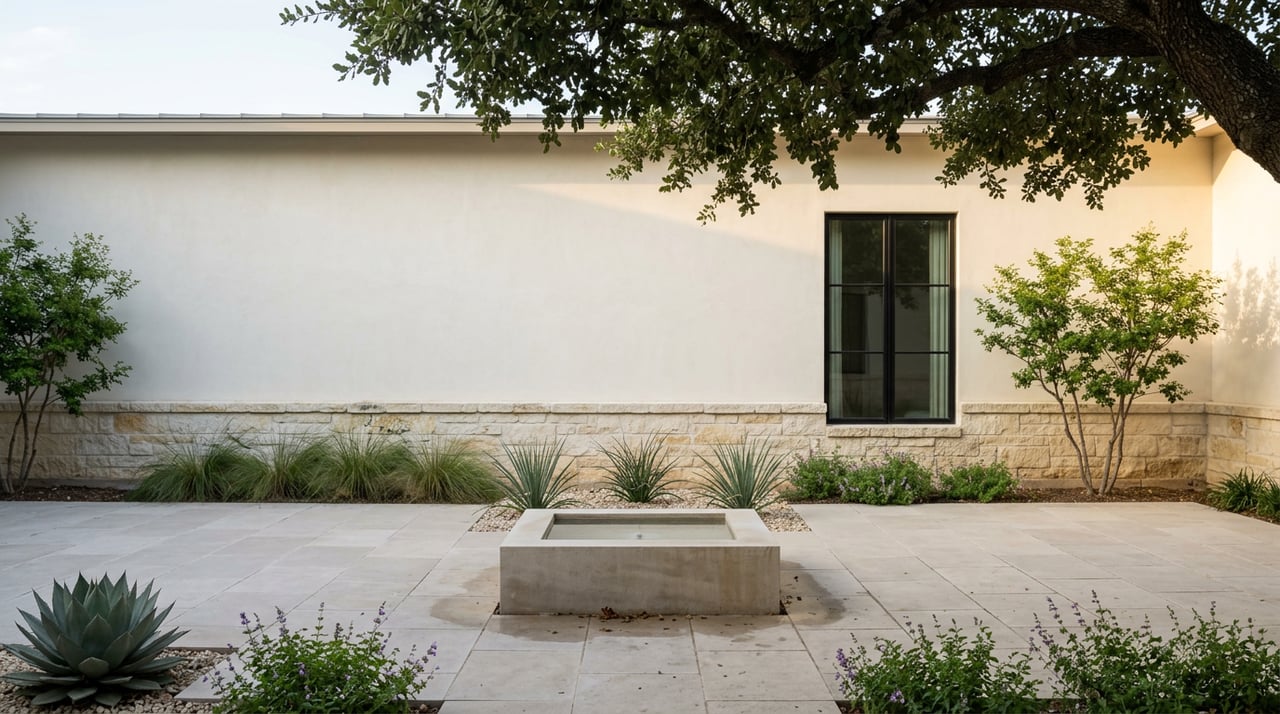
Historic homes appeal to buyers who want more than square footage and new finishes. In many parts of Central and West Austin, these properties offer original details, established streetscapes, and landscaping that newer developments often cannot replicate.
The city’s Old West Austin materials describe park-like landscaping, minimal fencing, and a low-density interior street system as part of the area’s historic character. Hyde Park, with its bungalow-heavy streetscape, has a distinct early-suburb feel that continues to attract buyers looking for authenticity and neighborhood identity.
There is also a pricing story here. According to Redfin’s report on aging housing inventory, Austin is one of only four metros where a home more than 30 years old cost more than a home built in the past five years. In practical terms, that means older central Austin housing can command premium pricing when location and land are limited.
The tradeoffs of owning a historic property
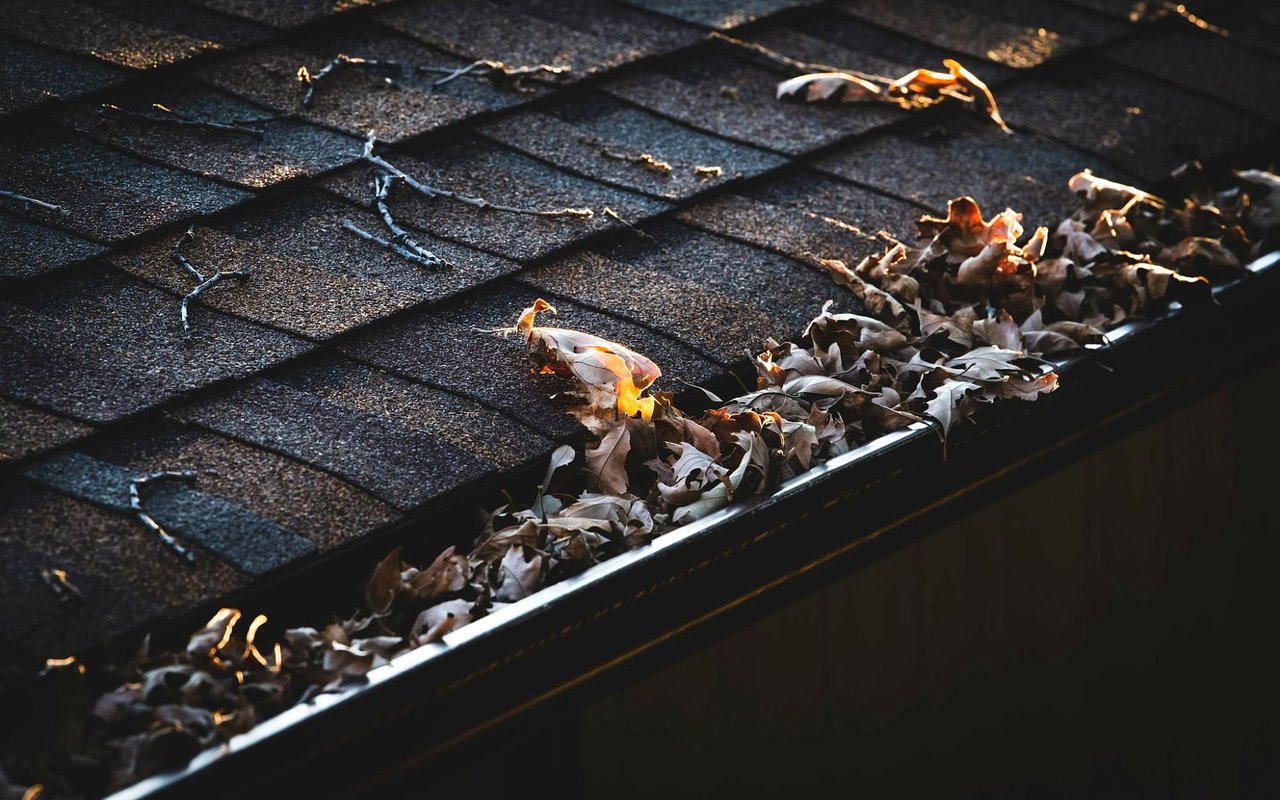
Historic homes can be deeply rewarding, but they usually ask more from you as an owner. Older homes often come with aging systems, lower energy efficiency, and ongoing maintenance needs, according to Redfin’s guidance on older housing stock.
You also need to understand whether the property is simply older or formally protected. If a home is a landmark or a contributing property in a historic district or National Register district, Austin may require a historic review application for exterior alterations, additions, permanent site work, signs, and stand-alone new construction.
That distinction is important. A house can appear historic without carrying formal designation, and the city notes that inclusion in a historic survey alone does not create designation or protection.
Can you update a historic house?
Yes, often you can. But the scope of changes, especially on the exterior, may be limited if the home has landmark status or sits within a protected district.
For many buyers, that means balancing preservation with practicality. You may be able to modernize kitchens, baths, systems, and interior spaces while still protecting the architectural features that make the house special. The key is understanding the review process early, not after you fall in love with a renovation plan.
There can also be financial upside. The city notes that rehabilitating a contributing property in a historic district may qualify for a city tax abatement or other preservation incentives, while some historic landmarks may receive annual tax exemptions and certain income-producing properties may qualify for state or federal rehabilitation credits.
Where mid-century homes fit in
Not every buyer wants the maintenance load of a true bungalow or the polished feel of a new build. In Central and West Austin, mid-century homes can offer a middle ground.
The city’s historic district materials note that postwar Ranch Style and Mid-century Modern homes filled remaining vacant lots in the late 1940s and 1950s, and that Old West Austin also includes mid-20th-century International Style architecture. In places like Bryker Woods, the Central West Austin planning materials show layered development from the late 1800s through the early 1950s, which helps explain the architectural mix.
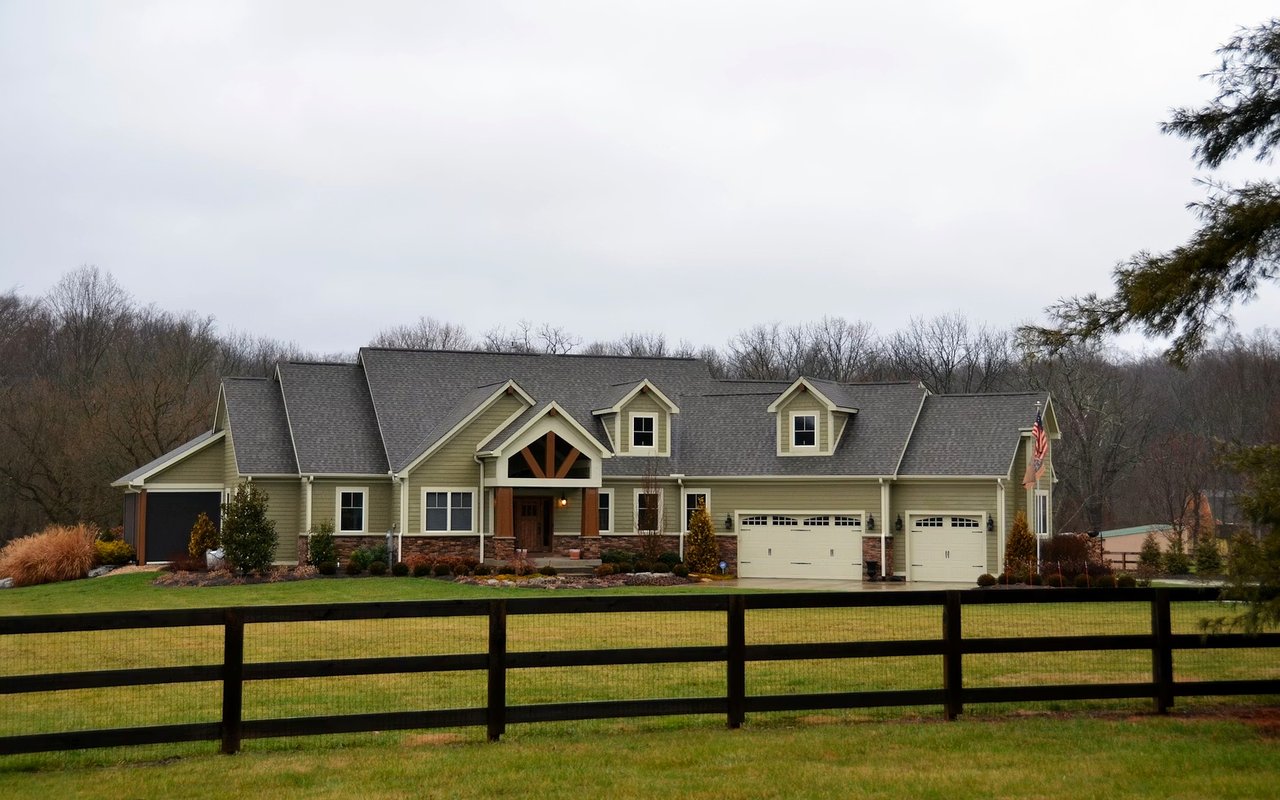
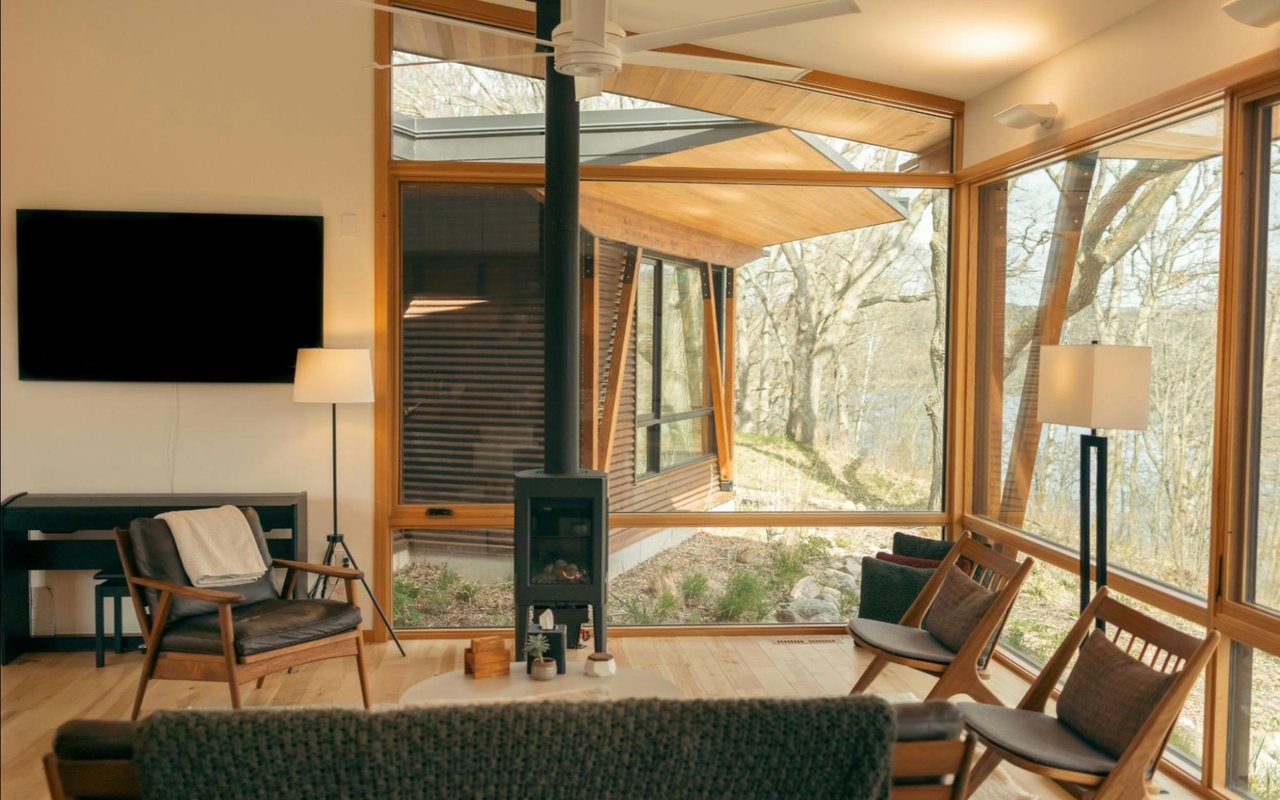
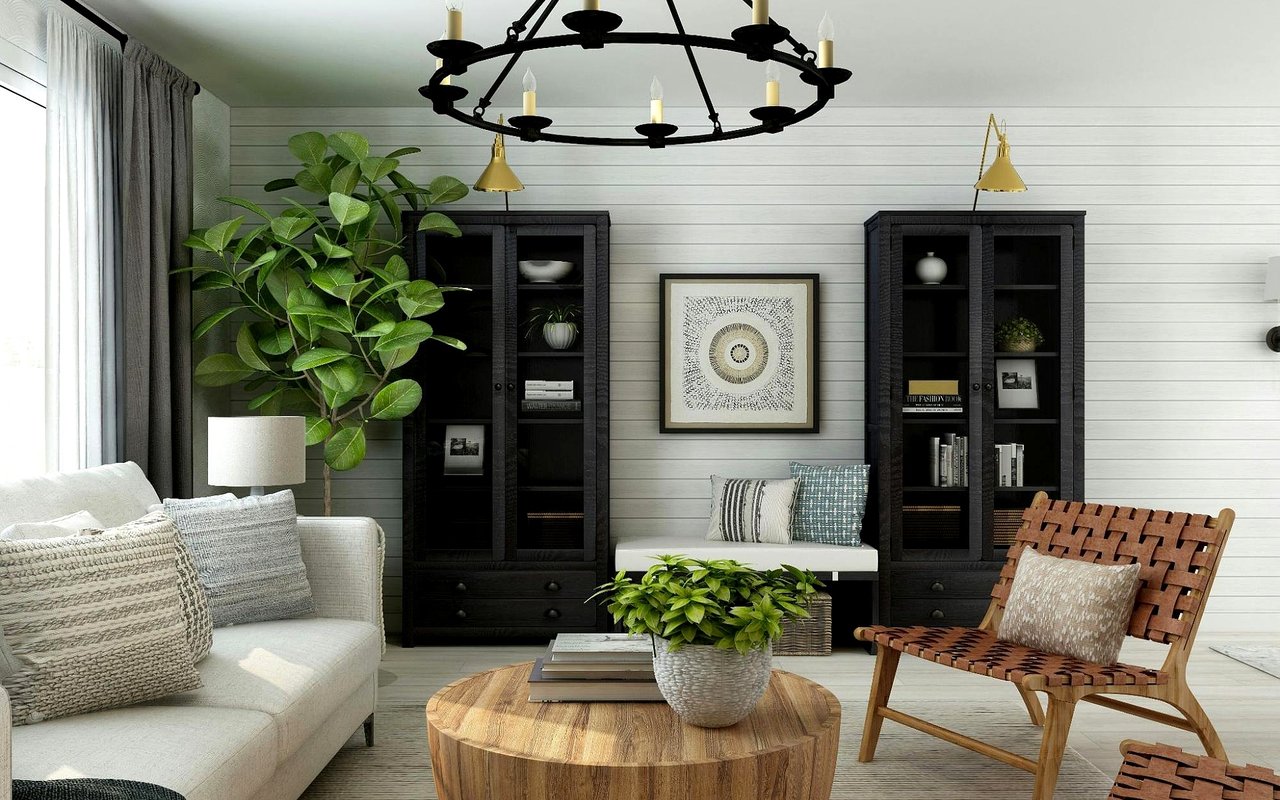
For you as a buyer, mid-century homes can be appealing because they often combine older neighborhood locations with simpler forms and more straightforward renovation potential. They may not carry the same level of formal historic constraints as a designated bungalow, and they often avoid the sameness some buyers feel in new construction.
What modern homes offer in and around 78701
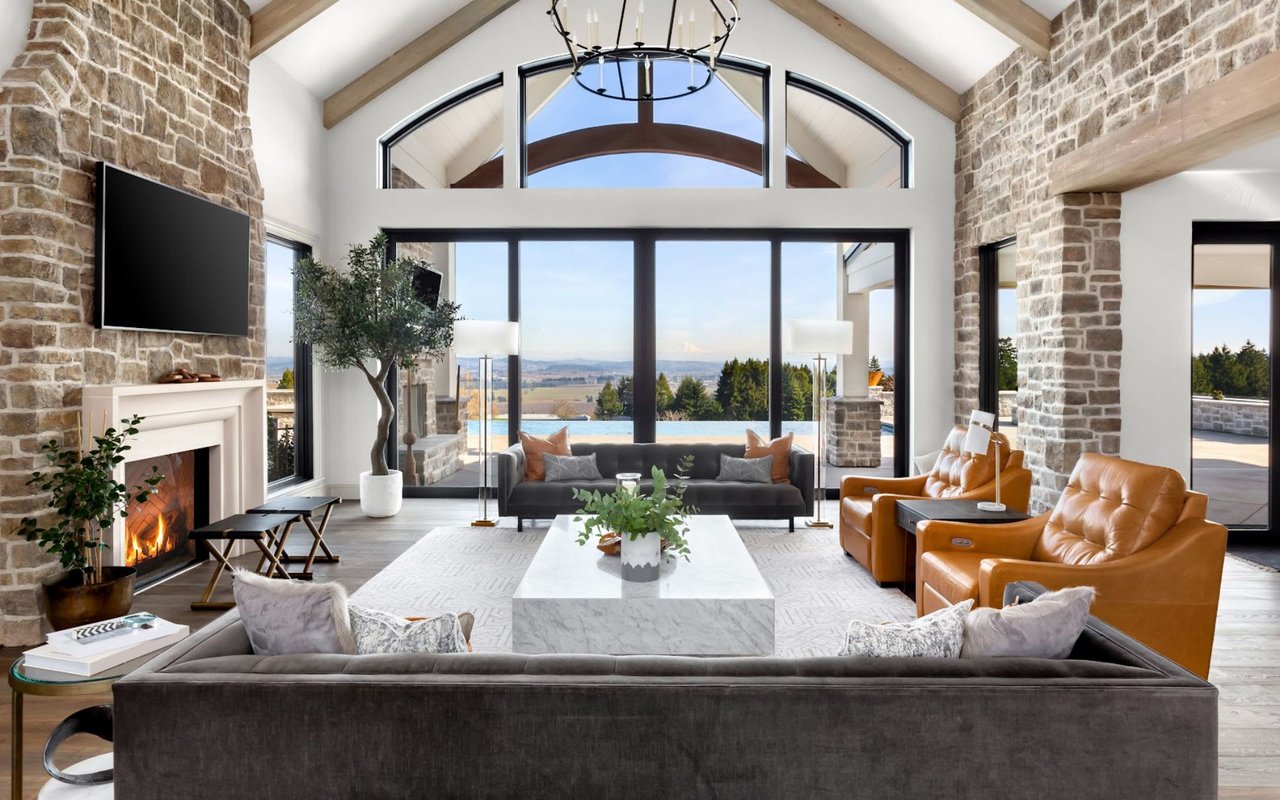
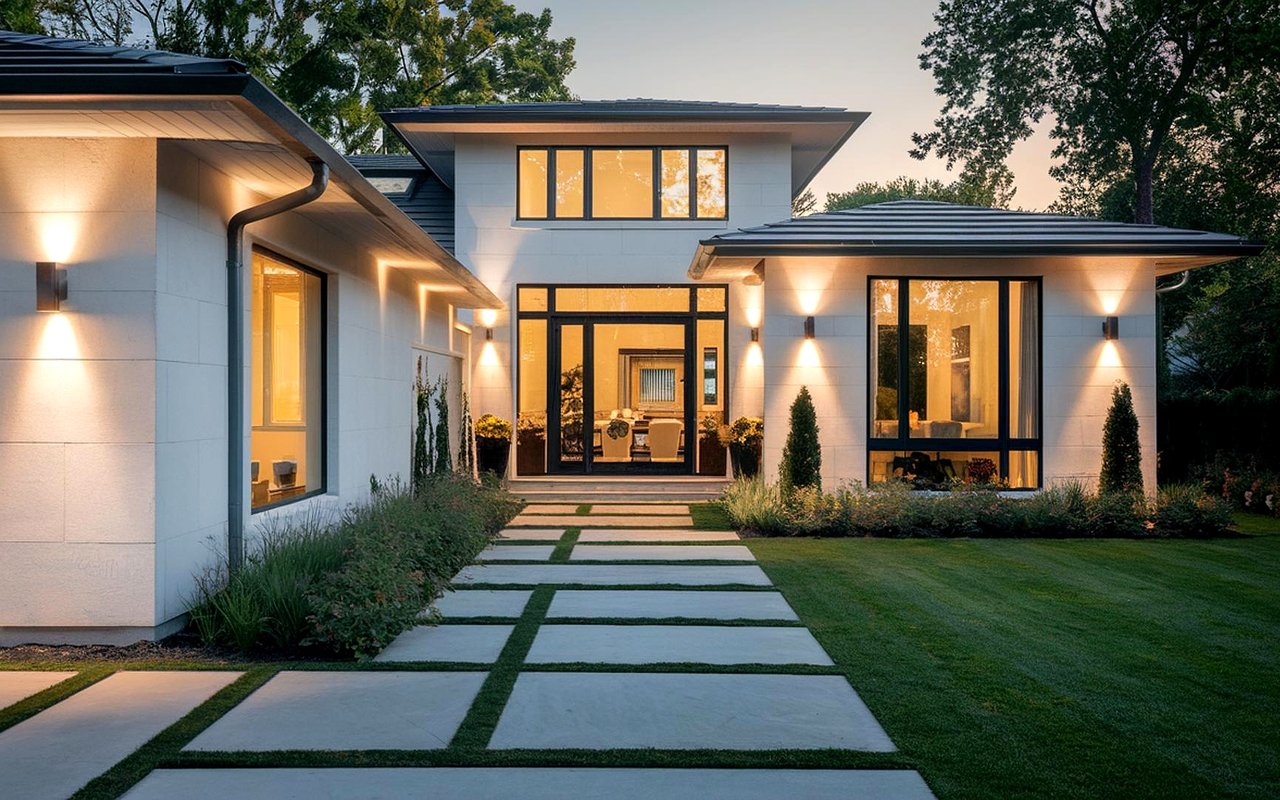
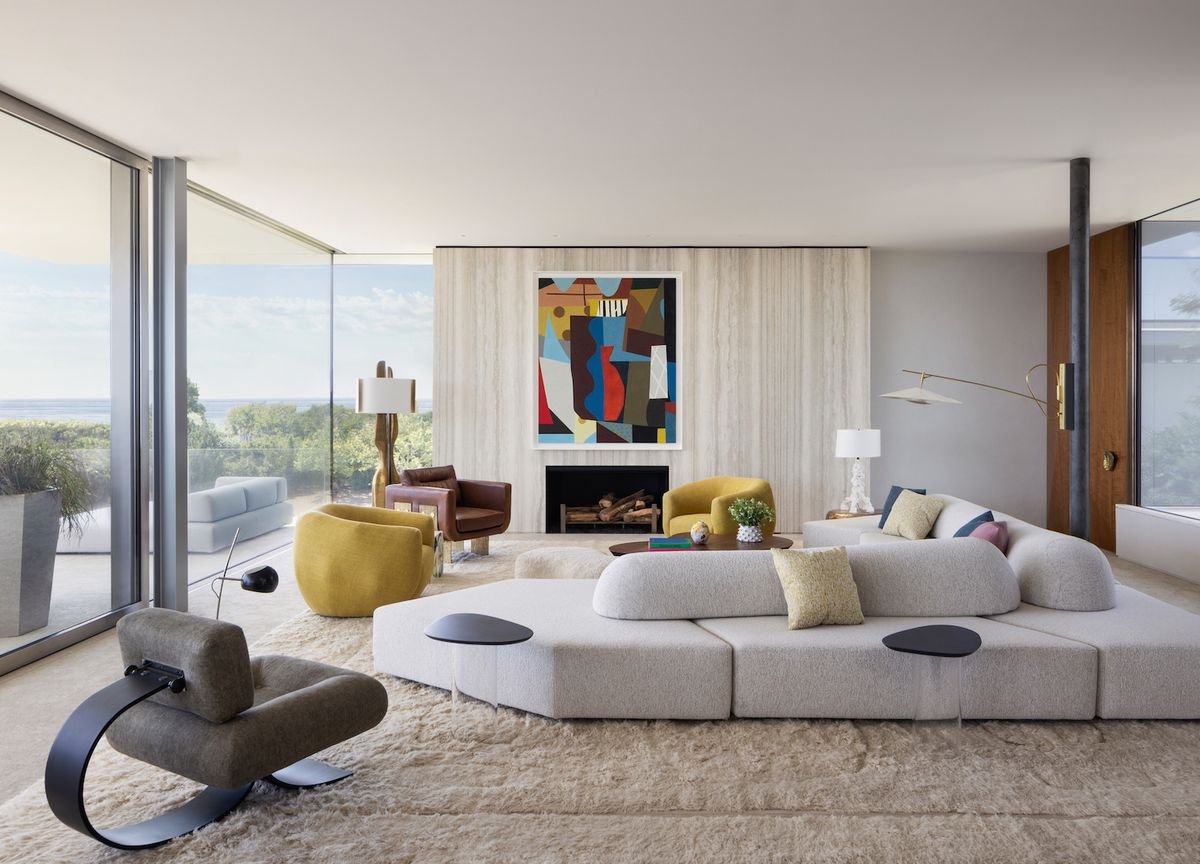
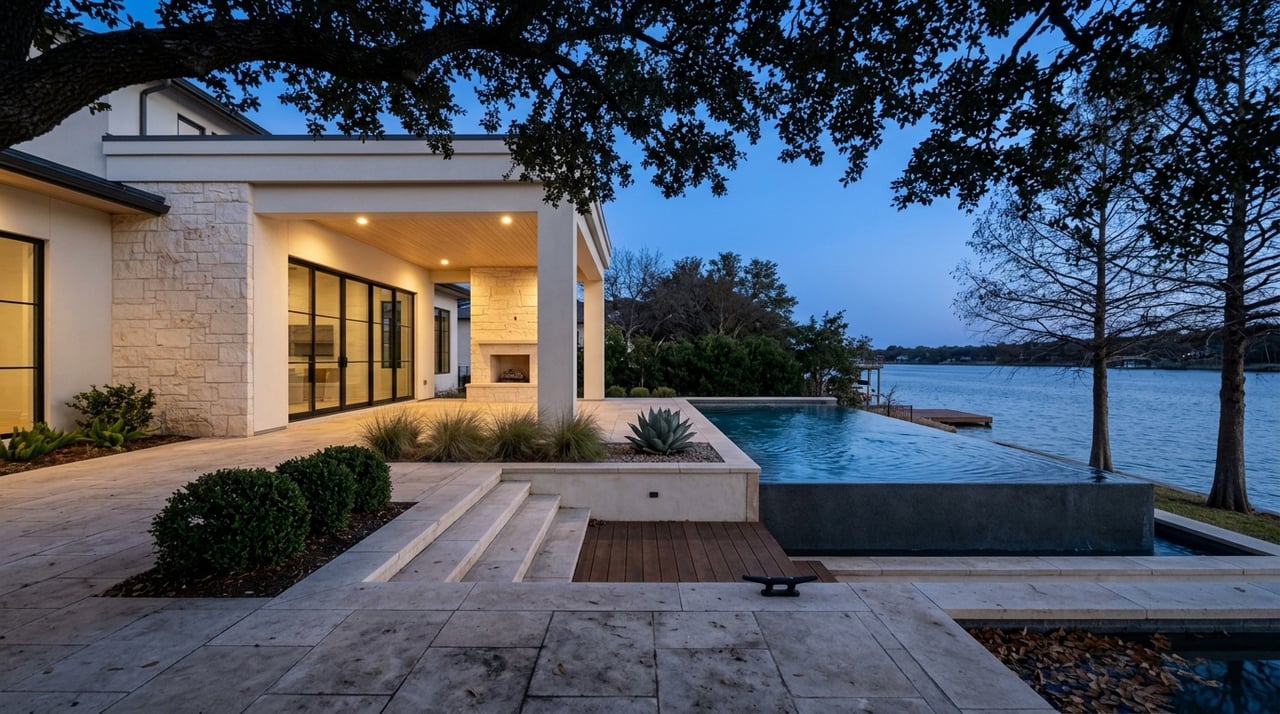
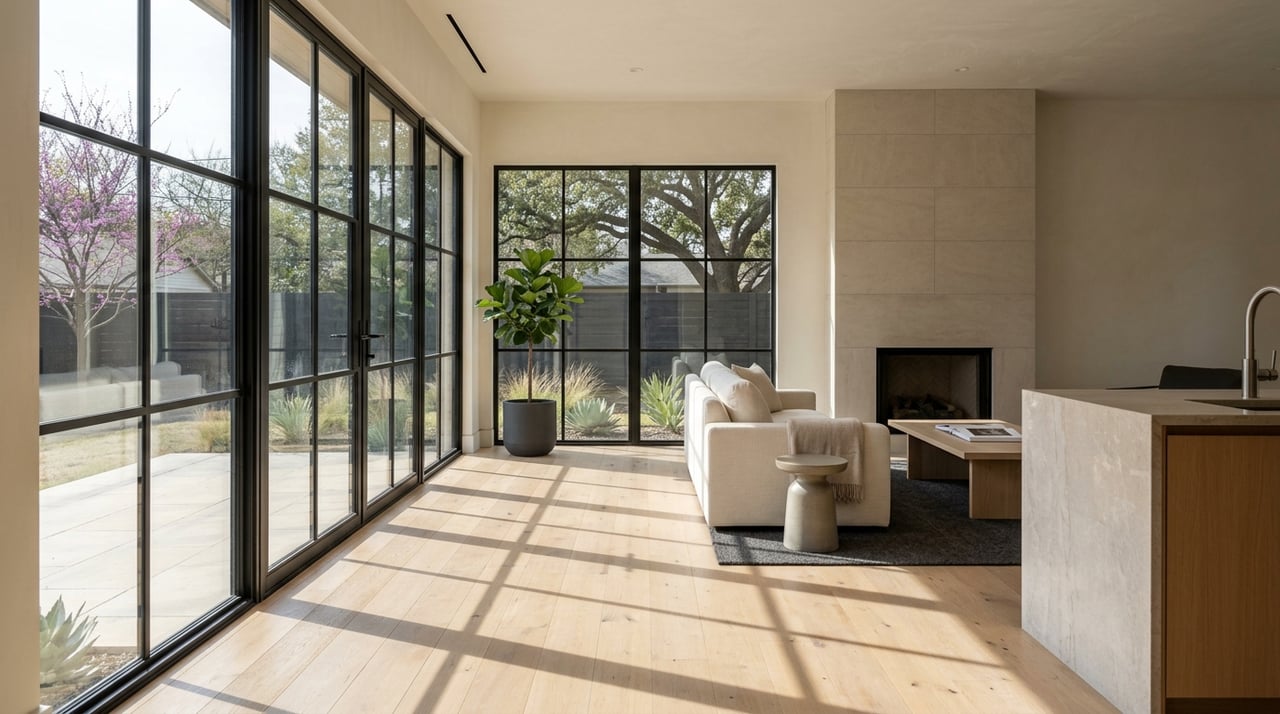
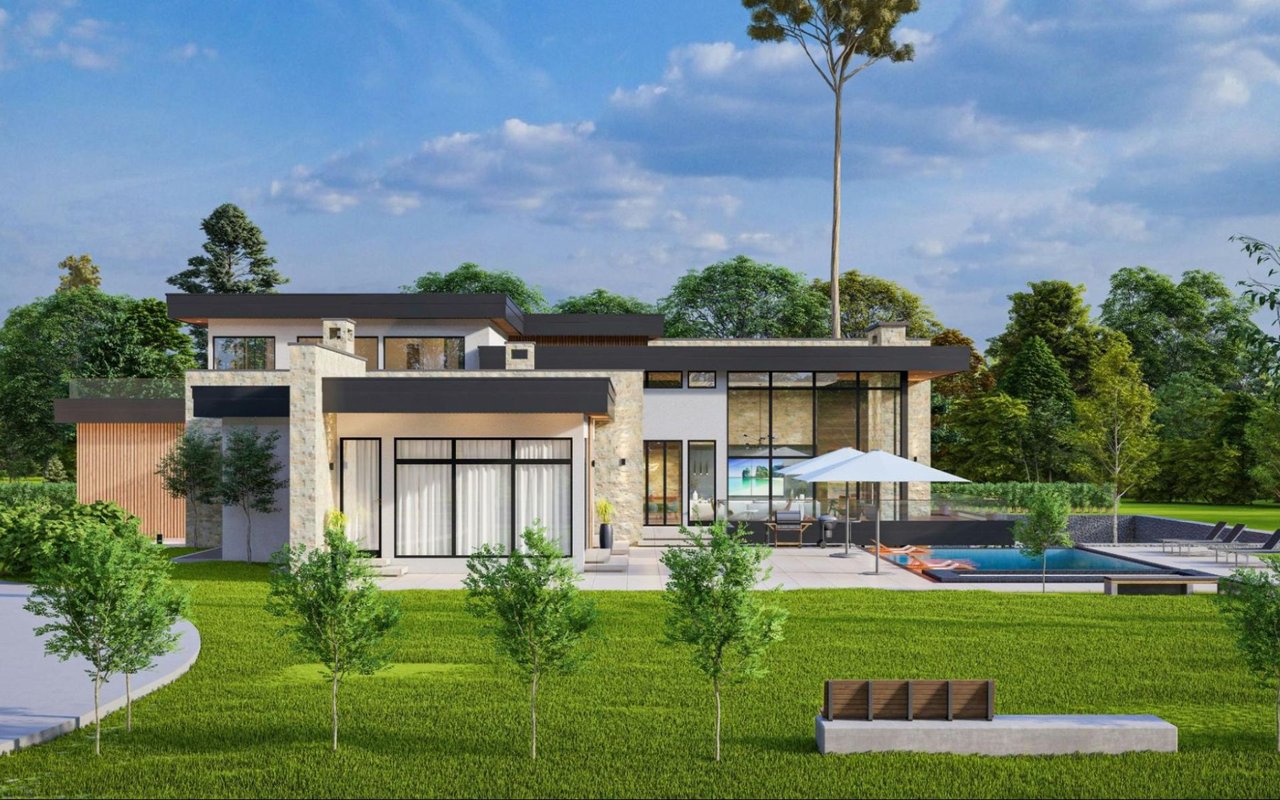
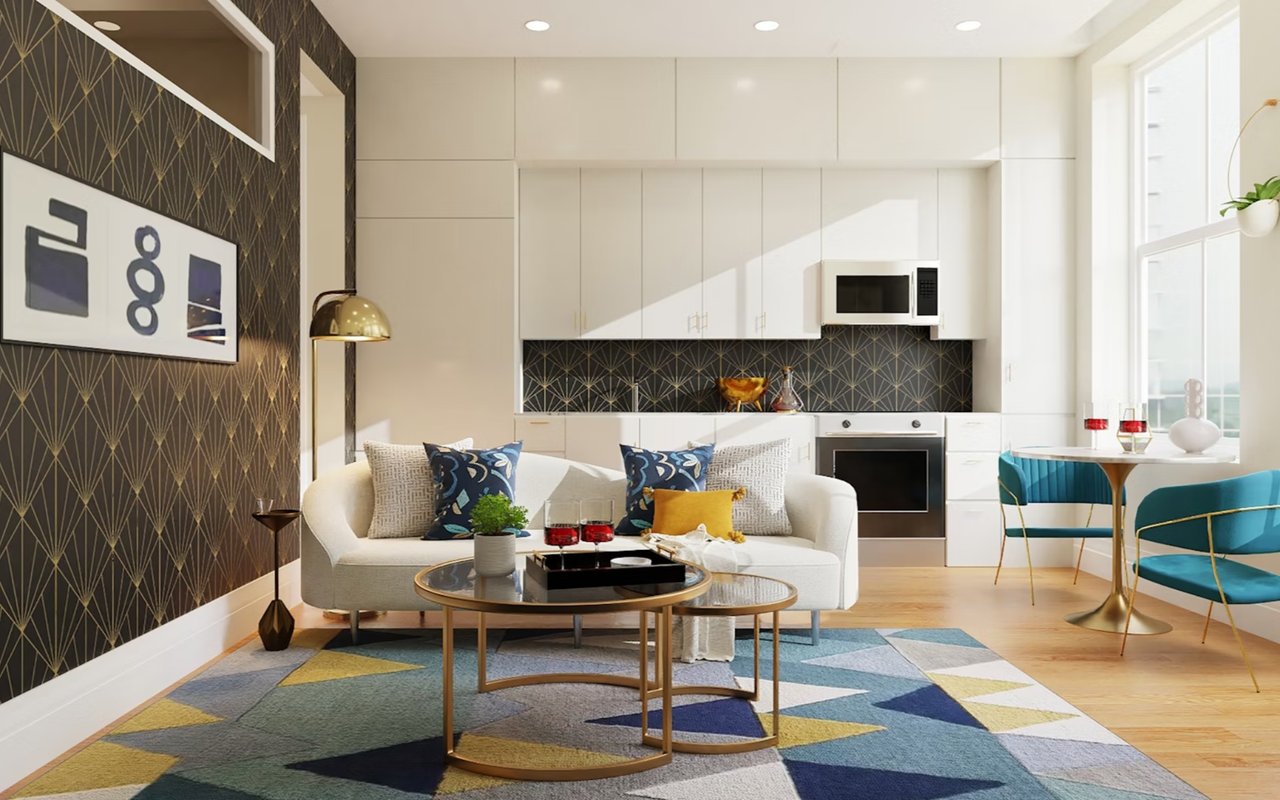
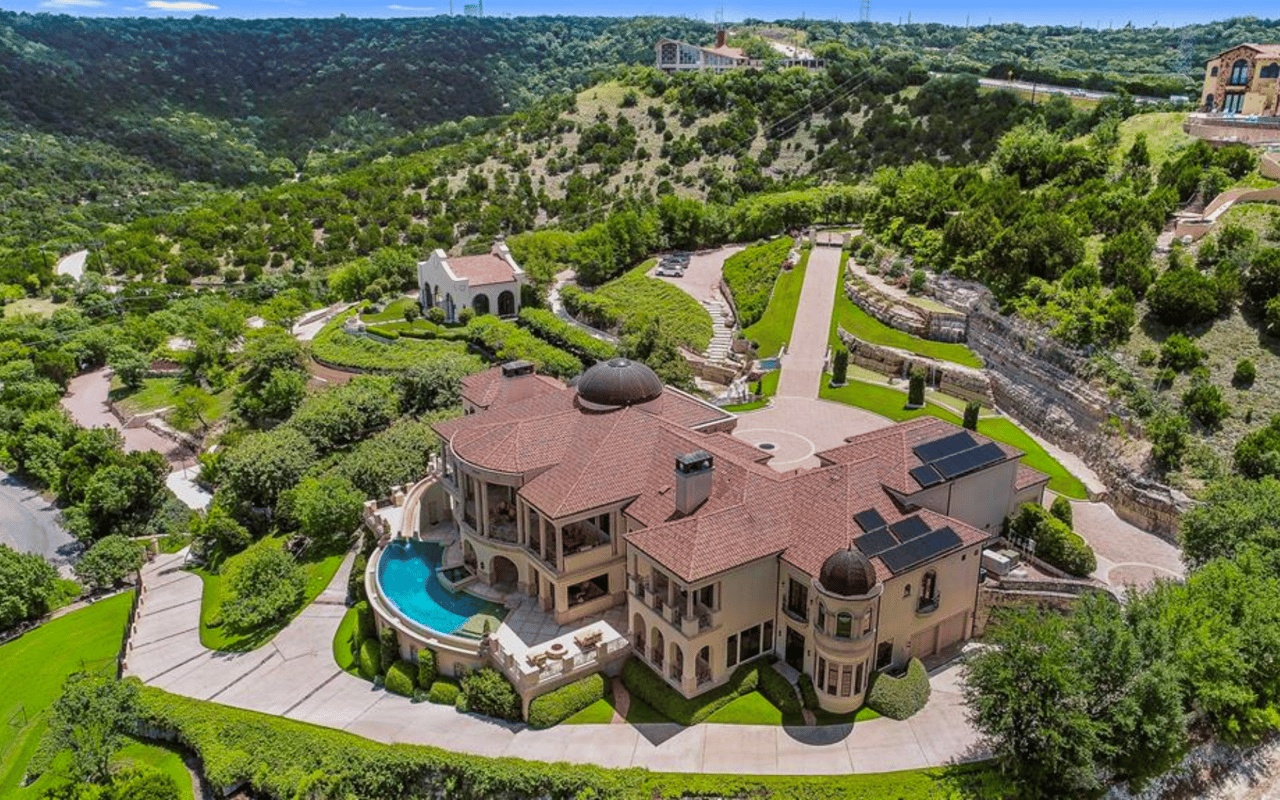
If your priority is efficiency, flexibility, and low-maintenance living, modern homes and newer residences may be the better fit. In 78701 especially, that often means luxury condos or high-rise residences rather than detached new-build homes, as shown by recent 78701 inventory patterns.
Newer homes have some clear practical advantages. ENERGY STAR states that certified new homes are built better from the ground up and offer stronger energy efficiency and performance than other homes. ENERGY STAR certified new homes can deliver up to 30% energy savings compared with typical new homes, and NextGen homes can be about 20% more energy efficient than homes built to standard code levels on average.
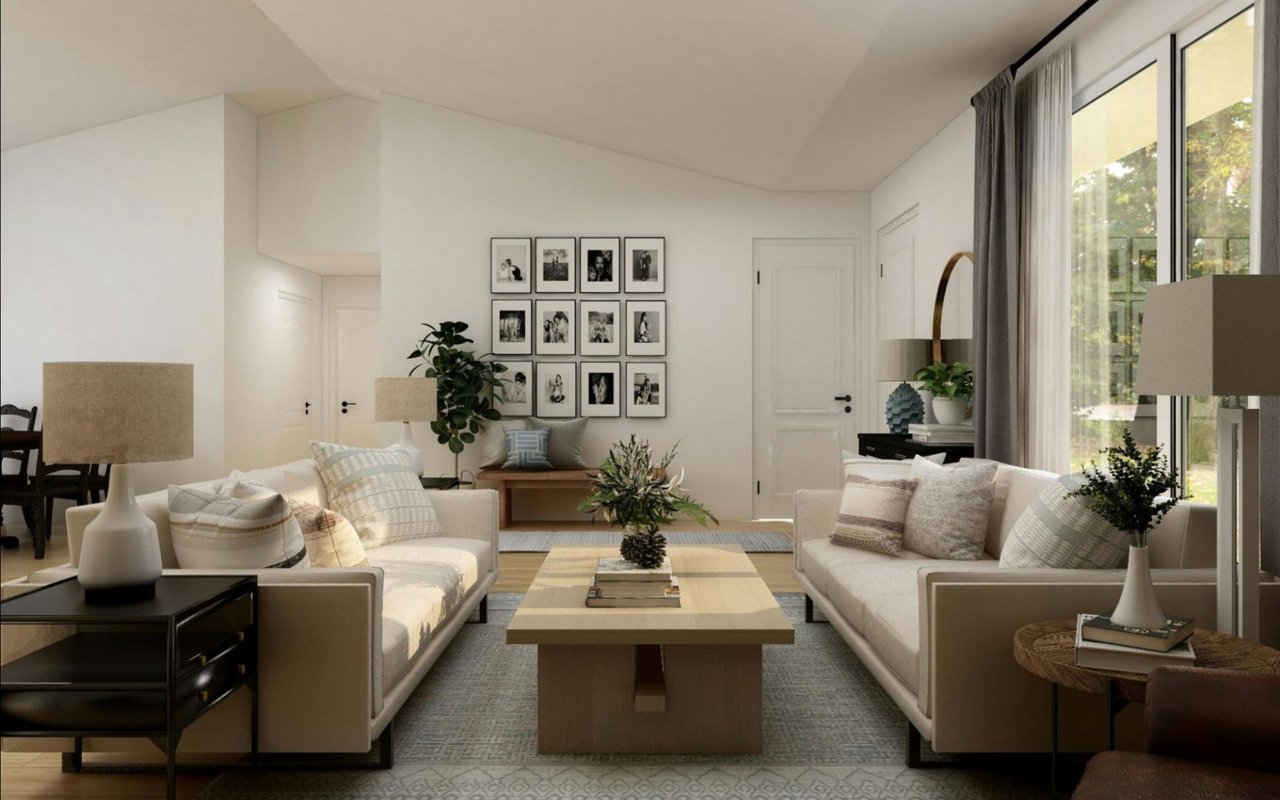
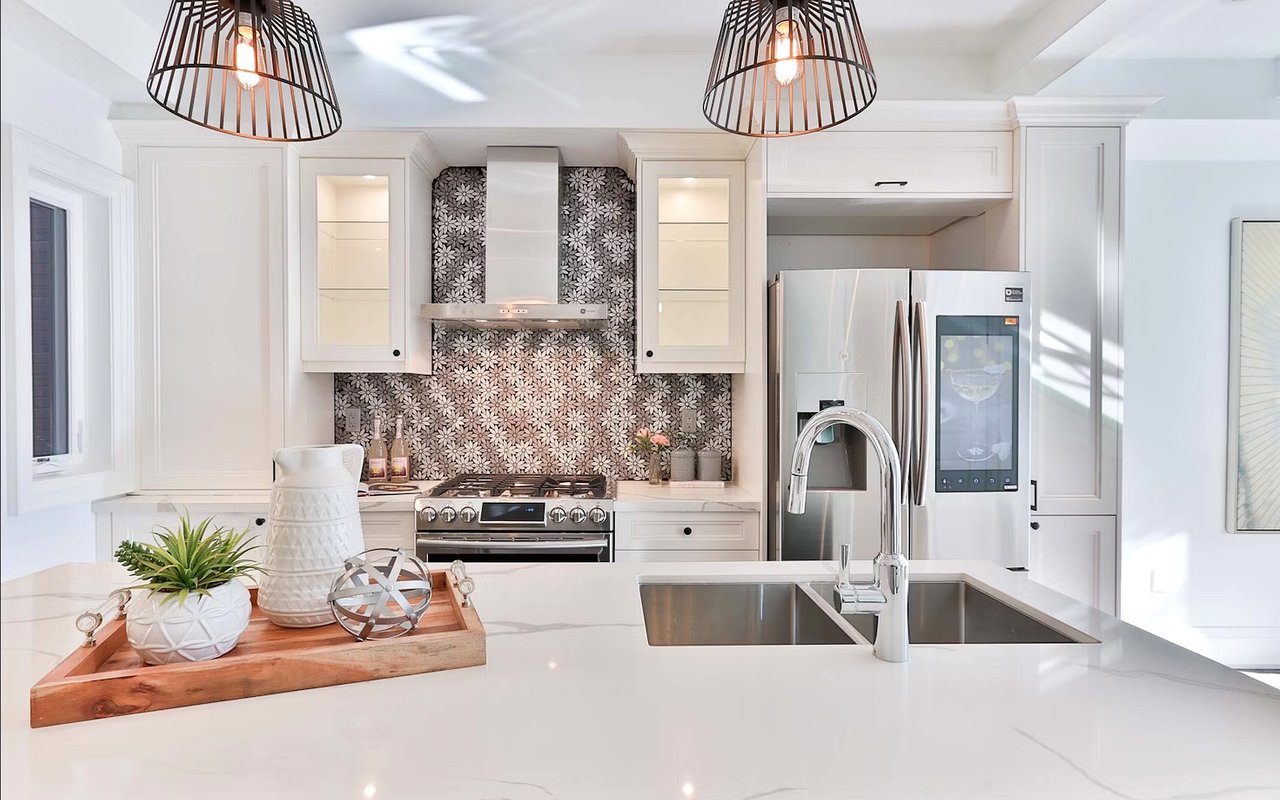
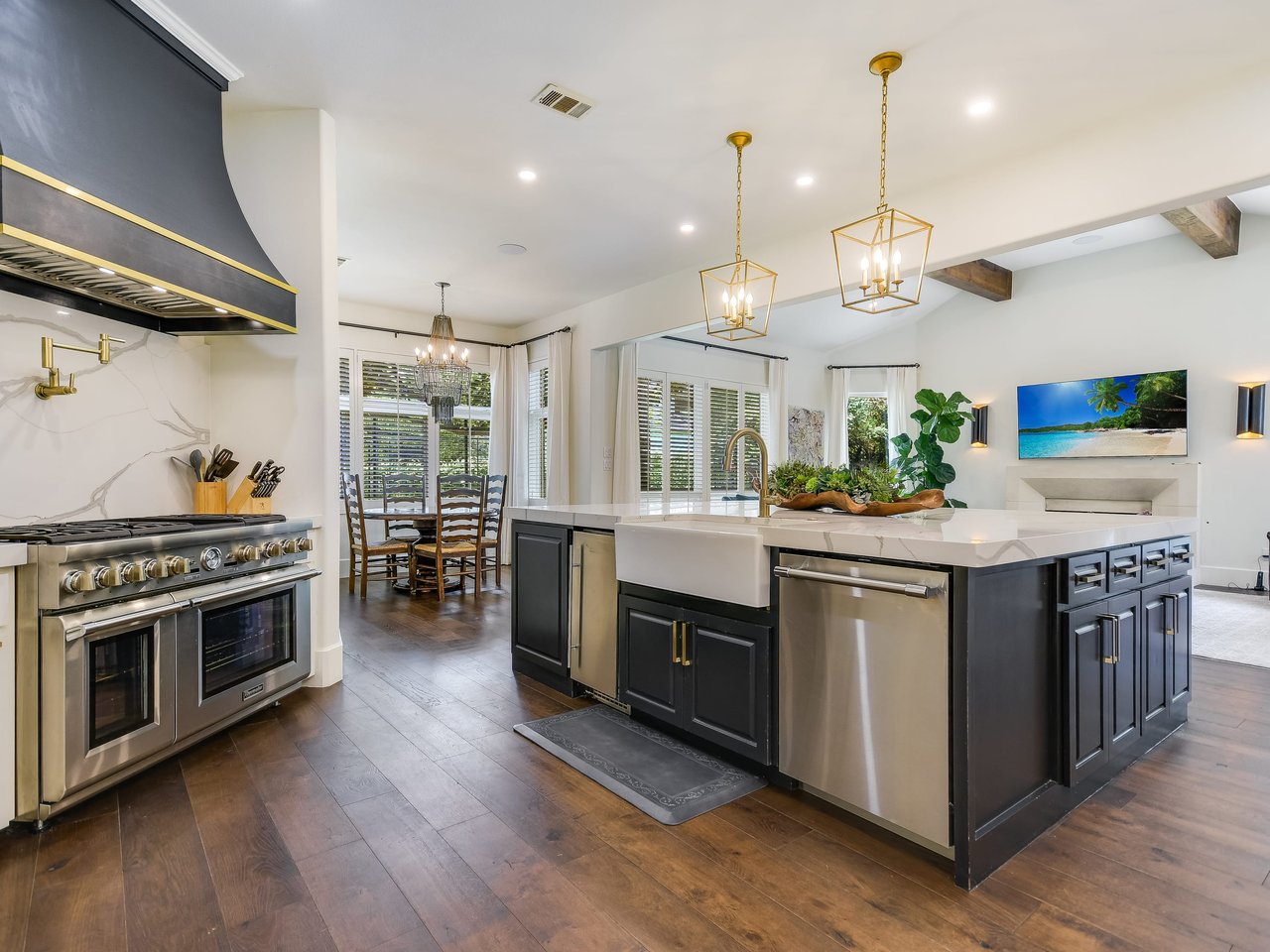
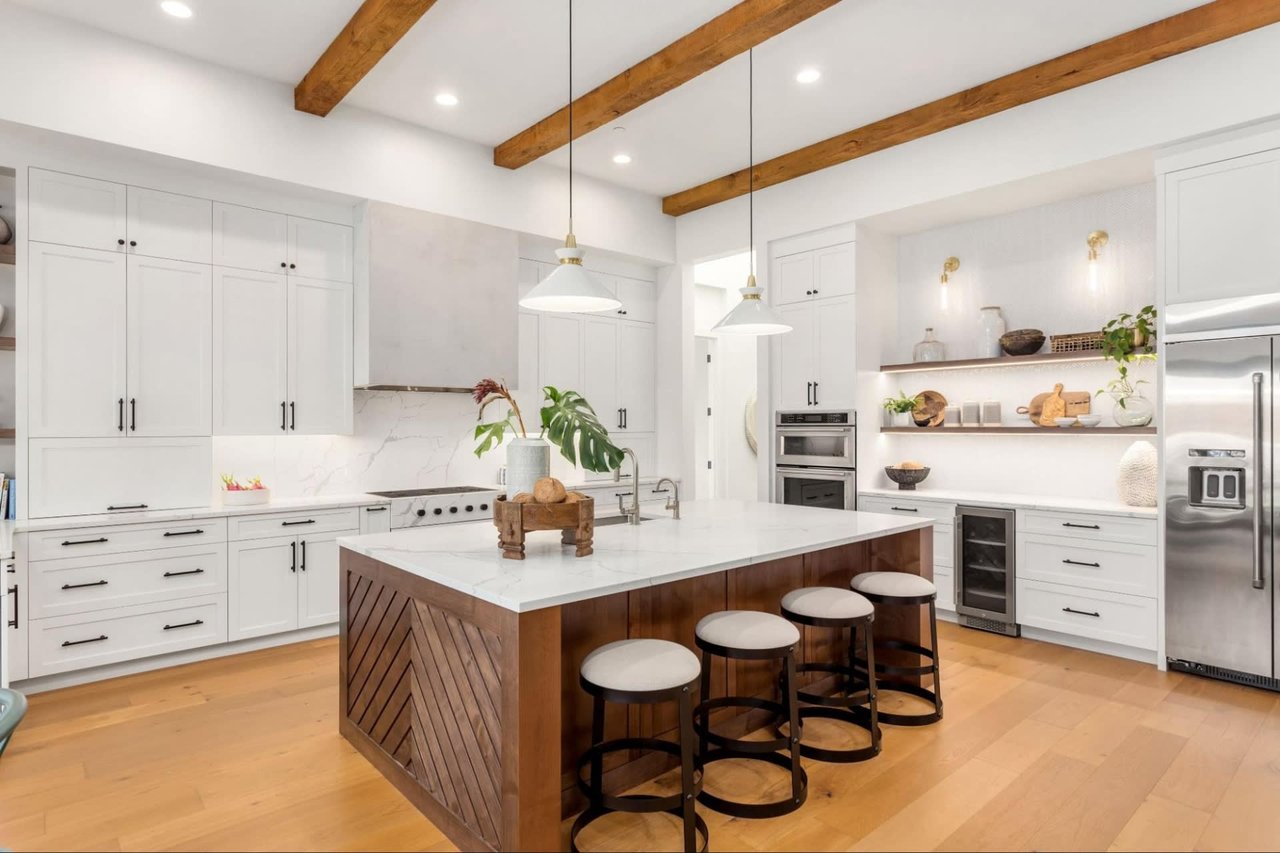
That often translates to fewer immediate repairs, current mechanical systems, and floor plans designed around how many buyers live today. Open layouts, larger kitchens, and lock-and-leave convenience can be especially attractive for relocation buyers and downtown purchasers.
The tradeoffs of modern homes
Modern homes are not automatically the better deal. While they often start with lower maintenance and better energy performance, they may offer less architectural character and less mature landscaping than older homes in established neighborhoods.
In downtown 78701, there is another factor to consider: the condo-heavy housing mix means many modern options come with HOA or condo fees. For some buyers, that is a worthwhile exchange for amenities, services, and a more turnkey lifestyle. For others, it changes the cost equation.
There is also the question of feel. Some buyers want a home with visible history and one-of-a-kind details. Others want clean lines, new systems, and a layout that works right away. Neither choice is more correct. It depends on how you define value.
What buyers in Austin respond to now
If resale matters to you, it helps to understand what today’s buyers notice. According to Redfin’s Austin home trends, features that are drawing attention include roof decks, guest quarters, new roofs, no carpet, fenced yards, and open-concept or large-kitchen layouts.
That does not mean every home should look brand new. It means buyers are often responding to homes that feel functional, updated, and easy to live in. In a historic property, that may look like thoughtful improvements that preserve character while making daily life simpler. In a modern home, it may mean choosing quality finishes and low-maintenance features that hold up over time.
A simple way to decide
If you are comparing historic and modern homes in West and Central Austin, start with lifestyle before aesthetics. Ask yourself how much maintenance you want, how important walkability is, whether renovation appeals to you, and how flexible you need the home to be.
Here is a useful way to frame it:
- Historic home: best if you value character, architectural detail, mature surroundings, and neighborhood story
- Mid-century home: best if you want central location, renovation potential, and a balance between charm and practicality
- Modern home or condo: best if you want energy efficiency, current systems, flexible layouts, and lower day-one maintenance
The market also gives buyers a bit more room to think. Austin citywide had a median sale price of $520,000 in February 2026, with homes taking about 97 days to sell, and Redfin reported significantly more sellers than buyers in late 2025, pointing to a more negotiable market than the pandemic peak, according to Austin housing market data.
The smartest question to ask first
The best due diligence question is not simply, “How old is this home?” It is, “What will ownership actually require from me?”
That includes whether the property is in a historic district, what kinds of changes may require review, what maintenance is likely in the first few years, and how the home fits your day-to-day routine. In Central and West Austin, those answers can matter just as much as style.
If you want help comparing historic residences, mid-century opportunities, and modern homes in Austin’s most sought-after neighborhoods, the Kathryn Scarborough Group offers the local perspective and high-touch guidance to help you make a confident decision.
FAQs
What types of homes are most common in 78701?
- In 78701, the housing mix is mostly condos and attached residences, while classic single-family historic homes are generally more common in nearby central and west Austin neighborhoods.
Can you renovate a historic home in Central Austin?
- Yes, but exterior alterations, additions, and some site changes may require historic review if the home is a landmark or a contributing property in a historic district.
Are newer homes in Austin always cheaper to own?
- Not always, but newer homes usually begin with lower maintenance needs and better energy performance than older homes.
Do historic homes in West and Central Austin hold value well?
- They often can, especially in premium central locations where older housing stock remains highly desirable, though buyer appeal depends on condition, restrictions, and lifestyle fit.
Is a historic-looking Austin home always officially protected?
- No, a home can be older or included in a historic survey without having formal historic designation or protection.
How should you choose between a historic and modern Austin home?
- Focus on your lifestyle, maintenance tolerance, renovation goals, and whether you prefer neighborhood character, turnkey efficiency, or a balance of both.