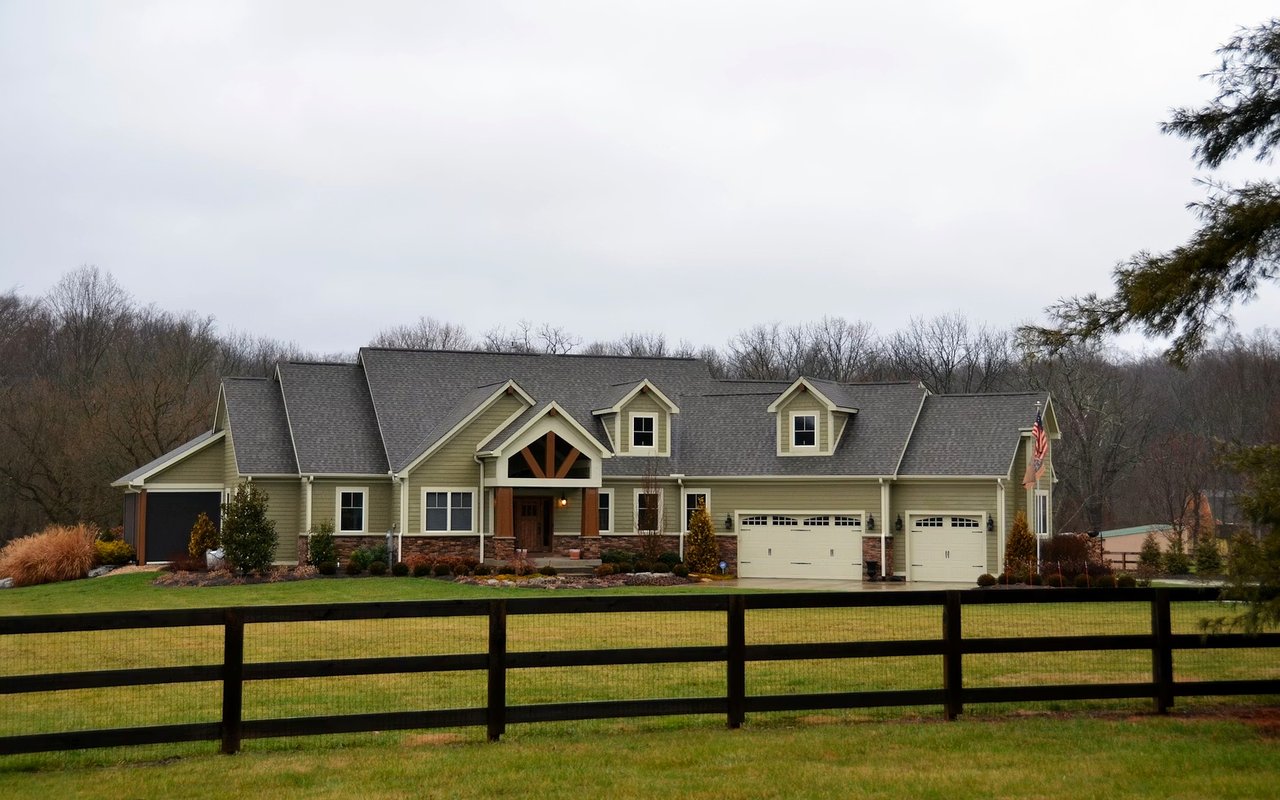
Dreaming about wide-open land within reach of Austin? A ranch near Burnet can offer privacy, recreation, and long-term enjoyment, but buying rural property is very different from buying a house in town. Before you fall in love with the views or the acreage number, you need to understand the details that can shape how you use the property and what it will cost to own. This guide will walk you through the key issues to review before buying a ranch near Austin in the Burnet area. Let’s dive in.
Why Burnet Appeals to Ranch Buyers
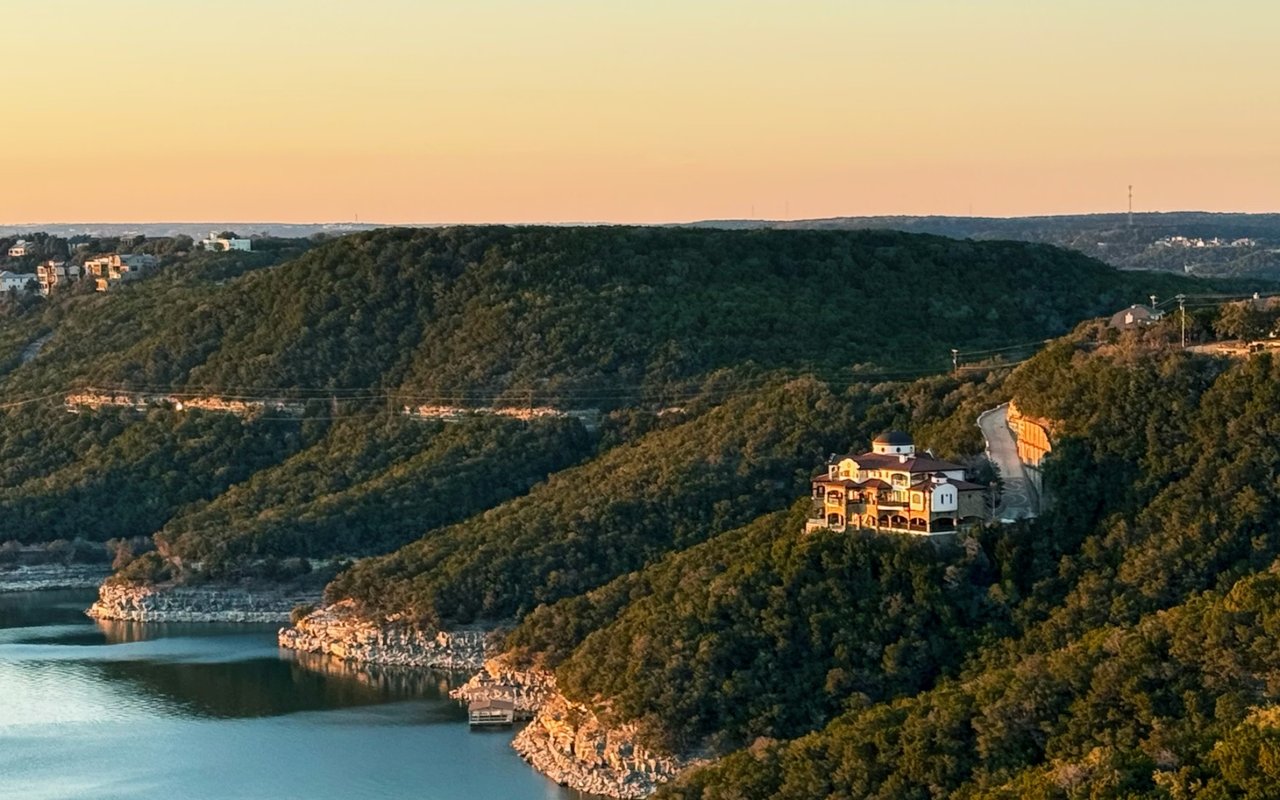
Burnet sits in a location that makes it especially appealing for buyers who want a Hill Country ranch with access to Austin. The City of Burnet describes the area as about 50 miles northwest of Austin, with connectivity through SH 29 and US 281.
That access matters because ranch ownership is often shaped by more than a simple drive-time estimate. The highway corridor, county road conditions, and final stretch to the property can affect convenience, maintenance, and how practical the ranch feels for weekend use or full-time living.
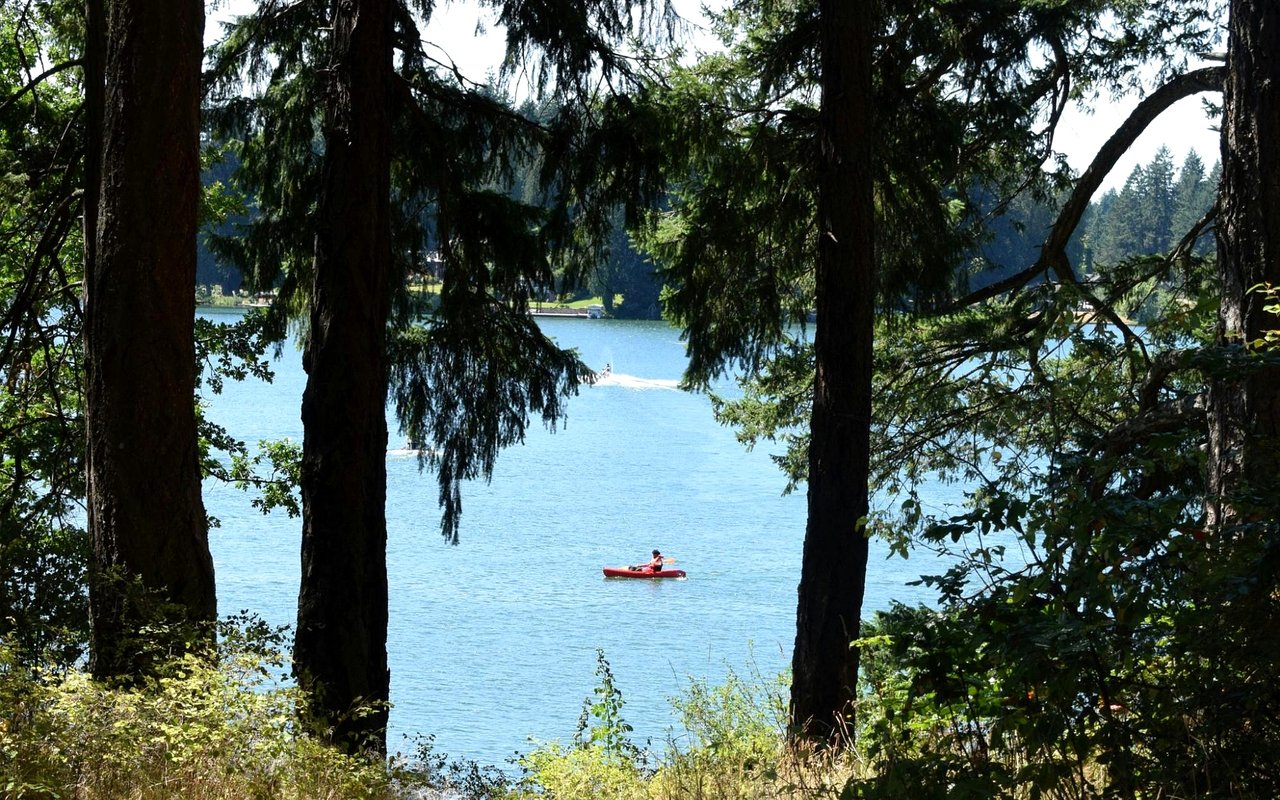
The area also offers many of the outdoor features buyers look for in a legacy or recreational property. Burnet County highlights attractions such as Buchanan Lake, Inks Lake State Park, Longhorn Cavern, hunting, fishing, and water sports, which adds to the lifestyle appeal of the region.
Start With Access and Road Questions
One of the first things you should confirm is whether the property has clear, deeded legal access. A ranch can look ideal on paper, but if the access route depends on unclear easement rights or informal road use, that can create major problems later.
You should also verify who maintains the road, whether gates or easements affect your use, and whether the tract falls within a subdivision or another layer of regulation. In Burnet County, subdivision regulations apply outside municipal limits, so this is not a small detail.
If you are thinking long term, access questions become even more important. Whether you may want to add another structure, create multiple homesites, or divide the land in the future, early review of county rules can save time and money.
Check Buildability Before Closing
A beautiful ranch is not always a straightforward building site. Before closing, you should confirm whether your intended homesite, guest house, barn, or other improvements will be allowed and practical under county requirements.
Burnet County requires a 9-1-1 address before permits for a new residence or business project, and building permits are part of the septic and on-site sewage facility process. That means development questions should be answered early, before you invest in design plans or assume a site is ready to build.
If there is any chance you may subdivide later, it is smart to review the rules upfront. Burnet County also recommends using a registered professional land surveyor familiar with state and local platting laws, which is especially important for acreage with future flexibility in mind.
Water and Septic Matter More Than You Think
Water is one of the biggest factors in ranch value and usability. In Burnet County, the Central Texas Groundwater Conservation District states that all wells must be registered, and certain wells must be permitted before drilling.
That means you should not assume you can simply add a well later without review. If a well already exists, confirm its status and determine whether additional testing or documentation is needed.
Septic planning is just as important. Burnet County notes that the septic site evaluation determines what type of system can be installed on the property, so your intended building area needs to support the kind of system required for your plans.
A ranch may have strong views and good topography, but if water and septic are complicated, the cost and timeline of ownership can change quickly. This is one of the biggest reasons rural due diligence deserves a more specialized approach.
Review Floodplain and Drainage Early
In Central Texas, flood exposure should always be part of your review. Burnet County states that the area is susceptible to riverine flooding, urban flooding, and flash flooding, and all development in the floodplain requires a permit.
The county also states that new construction and substantially improved structures must be built with 1 foot of freeboard, with 2 feet recommended in an A zone. For you as a buyer, that means the apparent homesite should be checked against floodplain maps, drainage patterns, and any elevation requirements before you move forward.
This step matters even if the property looks dry during a showing. A ranch purchase should include a practical review of how water moves across the land, not just how the land looks on a clear day.
Understand Burn Ban and Land Management Limits
Many buyers imagine clearing brush, managing the land, or maintaining rural acreage with periodic outdoor burning. In Burnet County, outdoor burning is regulated under state law, and the county may adopt a burn ban depending on conditions.
That does not mean the property cannot be maintained well, but it does mean you should understand local restrictions before making assumptions about your land management plans. This is especially relevant if you want a more hands-on ownership experience.
Verify Agricultural Tax Status Carefully
A ranch’s carrying cost can look very different depending on whether the land qualifies for agricultural or wildlife-management appraisal. The Texas Comptroller explains that qualified agricultural and open-space land is taxed based on productivity rather than market value, and wildlife management may also qualify.
However, you should never assume that a current tax treatment will automatically continue after purchase. The Comptroller also notes that when land receiving agricultural appraisal changes to non-agricultural use, the owner who changes the use may owe rollback tax for the prior three years.
Burnet CAD adds important local context. According to its agricultural appraisal guidance, only acreage actually used in agricultural operations may qualify, improvements are appraised separately at market value, and standards focus on historical use, current use, principal use, and degree of intensity.
That is especially important for ranchettes or legacy properties with a home, guest improvements, and limited pasture. A property can feel rural without qualifying for the same appraisal treatment as a working ranch.
Mineral Rights Are a Major Texas Issue
Mineral rights can materially affect the value and future use of ranch property in Texas. The Railroad Commission of Texas explains that surface and mineral estates can be separated, and those estates are often severed.
The Commission also states that the mineral estate is dominant, meaning a mineral owner or lessee may use the surface as reasonably necessary for mineral development. For buyers, this makes mineral review a core part of due diligence, not a box to check at the last minute.
If mineral ownership is reserved, unclear, or important to your goals for the property, this is the time to involve the right legal guidance. Ranch purchases often require a deeper title and rights review than a typical residential transaction.
Build the Right Ranch-Buying Team
Rural property purchases usually go more smoothly when you have the right specialists involved early. Based on the county and state resources in this market, a strong team often includes:
- A land-savvy buyer’s agent
- A title company or real estate attorney
- A registered professional land surveyor
- A septic installer or licensed site evaluator
- A well professional
- An oil-and-gas attorney or landman if mineral rights are reserved or unclear
This kind of team approach helps you evaluate the ranch as a complete asset, not just a tract of land with a house site. It can also help you spot issues before they become expensive surprises.
Your Due Diligence Checklist
Before you buy a ranch near Austin, make sure you verify these items in order:
- Exact legal access and any easement limits
- Survey boundaries, fences, and encroachments
- Well status, permits, and testing needs
- Septic feasibility for your intended homesite
- Floodplain location, drainage, and elevation requirements
- Current agricultural or wildlife appraisal status
- Possible rollback exposure if land use changes
- Mineral ownership, reservations, and development rights
- Whether the tract can be improved or subdivided under county rules
For many buyers, this is where local guidance makes a real difference. The best ranch purchases happen when you understand both the lifestyle upside and the practical realities of ownership.
The Bottom Line on Buying Near Burnet
Buying a ranch near Austin can be incredibly rewarding, especially in the Burnet and Bertram corridor where Hill Country scenery, recreation, and regional access come together. But the acreage alone never tells the whole story.
Road access, water, septic feasibility, flood exposure, tax treatment, and mineral status can all affect how you enjoy the property and what it costs to hold over time. If you are considering a ranch or acreage purchase near Burnet, working with a team that understands Austin-area legacy properties and specialized land due diligence can help you move forward with greater clarity and confidence. To explore ranch and acreage opportunities with tailored guidance, connect with the Kathryn Scarborough Group.
FAQs
What should you verify first before buying a ranch near Burnet, TX?
- You should first verify legal access, easement rights, road responsibility, and survey boundaries so you know exactly how the property can be reached and used.
How important are water and septic reviews for Burnet County ranch property?
- Water and septic are critical because wells may require registration or permits, and septic feasibility depends on site evaluation and county approval.
Does agricultural appraisal automatically transfer with a Burnet County ranch purchase?
- No. Burnet CAD notes that new owners may need to submit a new application, and qualification depends on actual use and local intensity standards.
Why do mineral rights matter when buying a ranch near Austin?
- Mineral rights matter because the mineral estate may be separate from the surface estate, and mineral owners or lessees may have certain surface-use rights tied to development.
Can floodplain issues affect where you build on Burnet County land?
- Yes. Burnet County requires permits for development in the floodplain, and construction may need to meet freeboard and elevation-related standards.
Who should be on your team for a ranch purchase in the Burnet area?
- A well-prepared ranch buyer should consider working with a land-savvy real estate advisor, surveyor, title professional or attorney, septic expert, well professional, and mineral-rights counsel if needed.