
By Kathryn Scarborough Group
Buying a home on Lake Travis is different from buying anywhere else in Austin, and most first-time buyers don't realize that until they're already under contract. Waterfront and lake-view properties come with a specific set of due diligence requirements, financing nuances, and deal-breakers that a standard Austin home purchase simply doesn't have. We've helped many buyers find their first home on the lake, and the ones who are prepared from day one are the ones who close with confidence.
Key Takeaways
- Lake Travis waterfront properties require due diligence on dock rights, LCRA permits, and shoreline access that standard home inspections won't cover
- Texas property taxes run 2–3% annually; on a lakefront home, that's a number worth calculating before you fall in love with a listing
- Financing a waterfront or lake-view property can be more complex than a standard purchase; some lenders apply different guidelines depending on property type
- First-time buyers have access to down payment assistance programs through the City of Austin and the State of Texas, though income and purchase price limits apply
Know What You're Actually Buying Before You Make an Offer
Lake Travis real estate isn't one thing. A lakefront home in Rough Hollow with a private dock, a lake-view estate in Spanish Oaks above the shoreline, and a Hill Country home in Spicewood with water access through a community marina are three very different purchases — and each one requires a different set of questions before you sign anything.
The most common first-time buyer mistake is focusing on the view and the lifestyle before confirming the actual rights and access that come with the property. Those details live in the title documents, the HOA disclosures, and the LCRA permit records, not the listing photos.
The most common first-time buyer mistake is focusing on the view and the lifestyle before confirming the actual rights and access that come with the property. Those details live in the title documents, the HOA disclosures, and the LCRA permit records, not the listing photos.
What to Investigate Before You're Under Contract
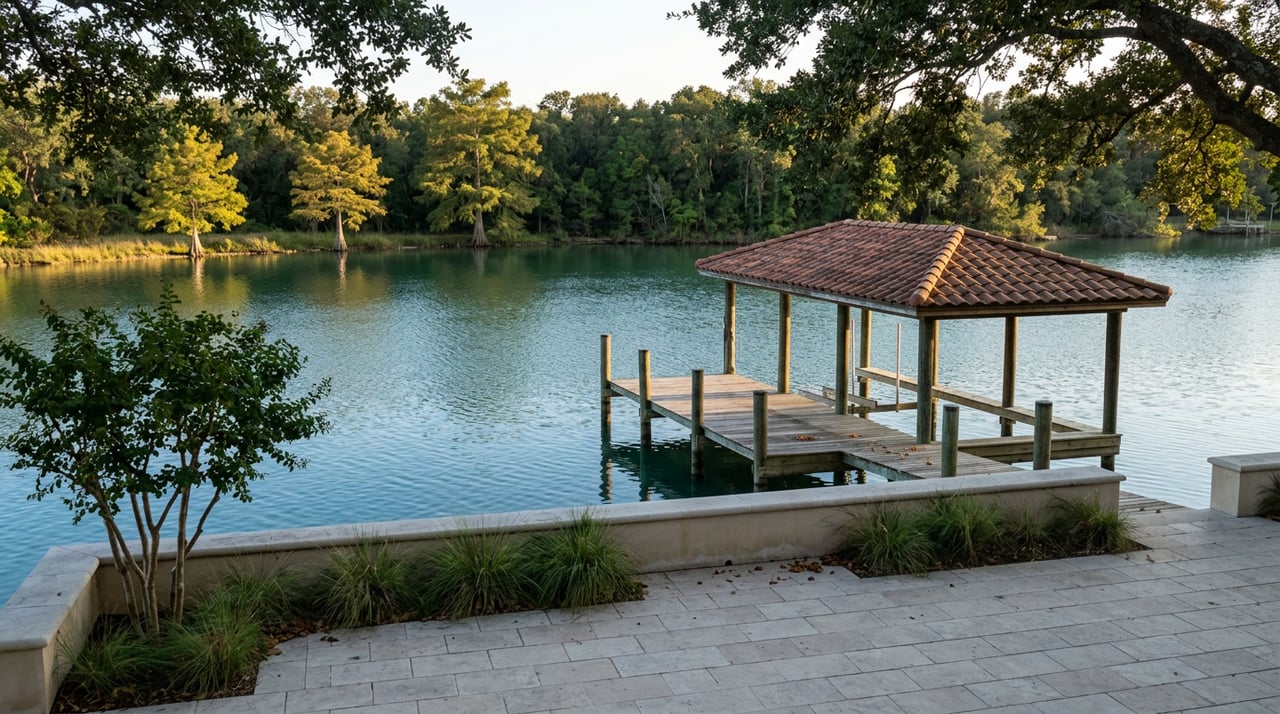
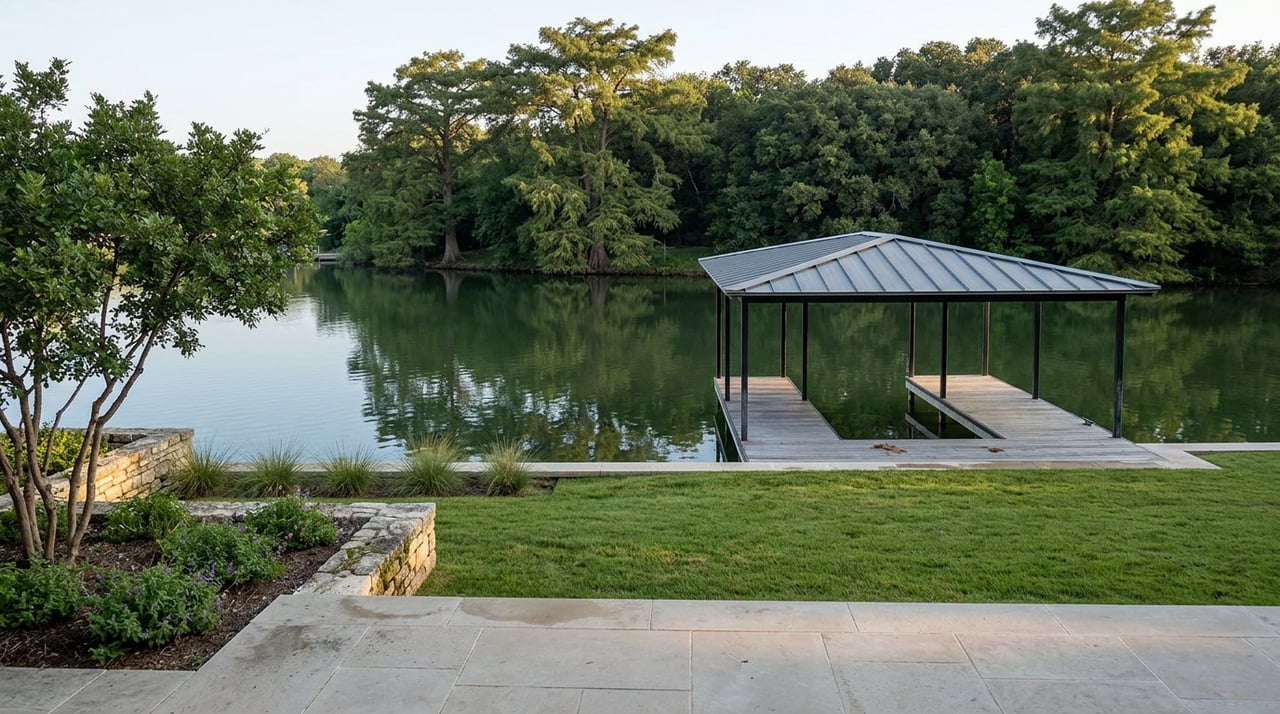
- Dock rights and LCRA permits: Confirm whether a private dock exists, whether it's permitted through the Lower Colorado River Authority, and whether those permits convey with the sale (some do not)
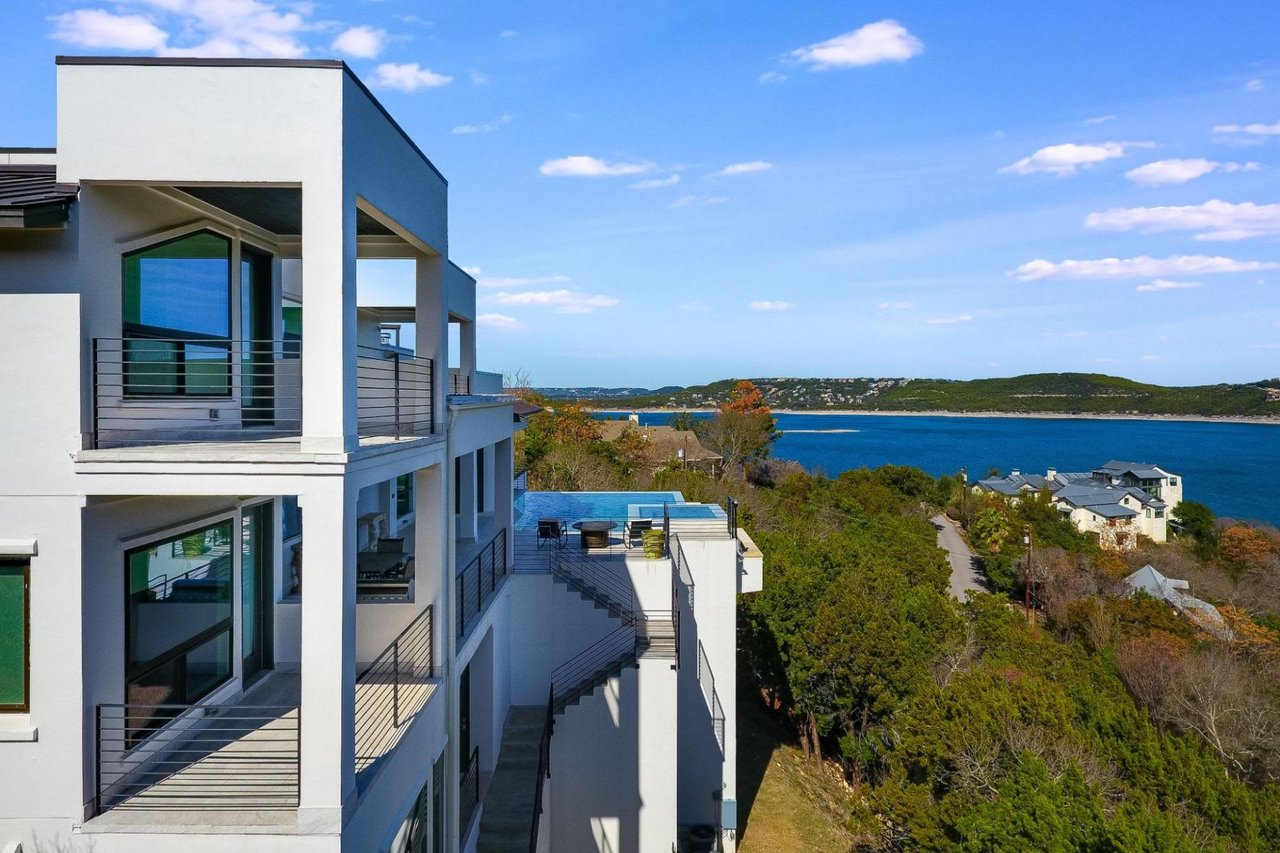
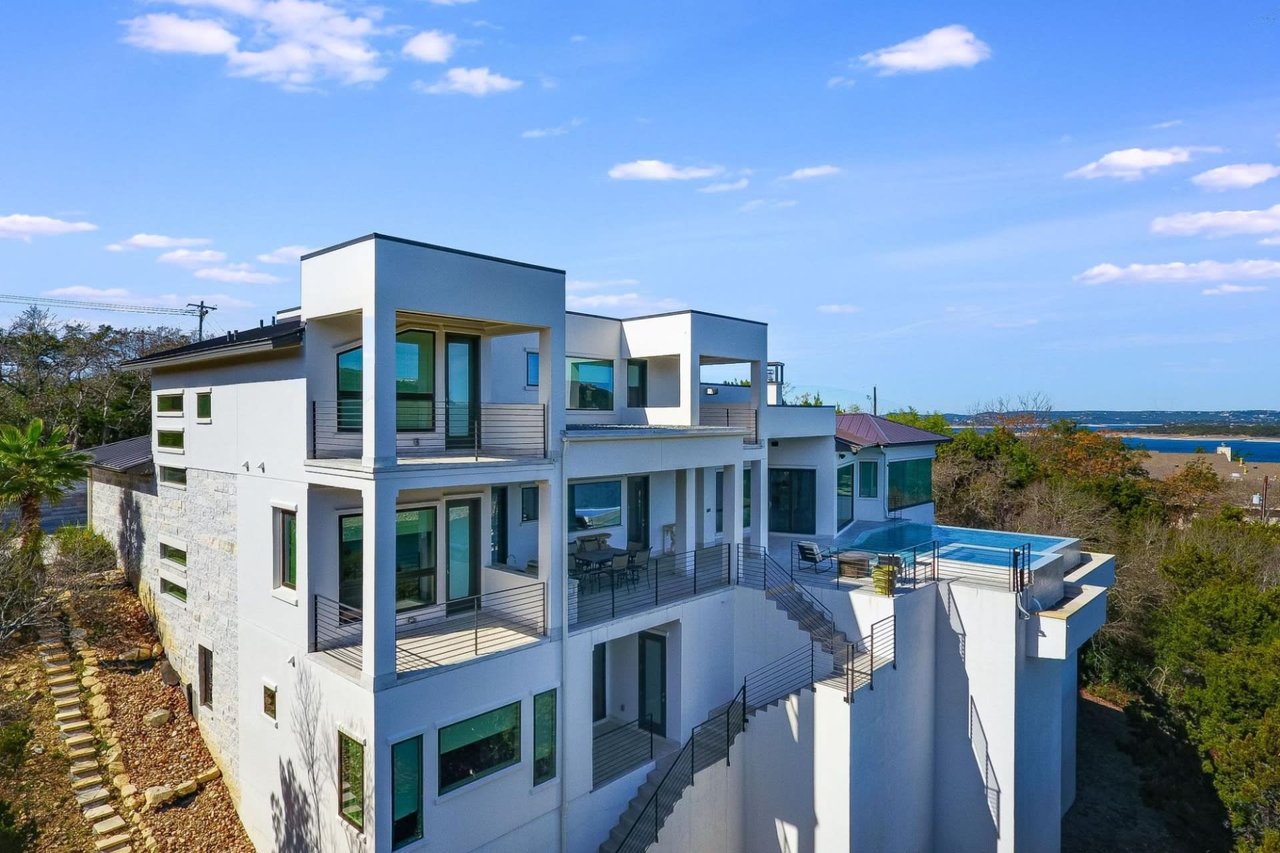
- Shoreline access and grade: Some Lake Travis properties sit on bluffs with significant stairs or a long path to the water; ask for the actual distance and grade before scheduling a showing
- Cove vs. open water: Protected coves offer calmer water, better swimming, and more privacy; open-water frontage delivers bigger views but more boat traffic and wave action
- HOA rules on watercraft and dock modifications: Communities like Rough Hollow and Flintrock Falls have detailed rules on what you can build, store, or modify at the shoreline; read these before you fall in love with a property
Get Your Financing Ready for a Waterfront Purchase
Most first-time buyers come in with a pre-qualification letter and assume that's enough. On Lake Travis, it isn't. The market moves quickly, and sellers in communities like Hudson Bend or Lakeway have seen enough serious buyers to be selective. A full pre-approval (with verified income, assets, and credit) is the baseline.
Waterfront and lake-view properties also carry specific financing considerations. Some lenders apply stricter appraisal standards or require larger down payments on properties with docks, boat houses, or nonstandard lot configurations. Knowing this before you make an offer prevents delays at the appraisal stage.
Waterfront and lake-view properties also carry specific financing considerations. Some lenders apply stricter appraisal standards or require larger down payments on properties with docks, boat houses, or nonstandard lot configurations. Knowing this before you make an offer prevents delays at the appraisal stage.
What First-Time Buyers Should Have Before Searching Lake Travis
- Full pre-approval letter from a lender familiar with Austin waterfront transactions, not just a pre-qualification estimate
- Property tax budget: Lake Travis homes carry Texas property taxes of 2–3% annually; on a $750,000 lake-view home, that's $15,000–$22,500 per year built into your monthly payment
- Reserves beyond your down payment: Budget separately for closing costs (typically 2–3% of purchase price), inspection fees, and any immediate dock or waterfront maintenance
- Down payment assistance awareness: City of Austin DPA offers up to $40,000 for income-eligible buyers within city limits; the Texas TDHCA My First Texas Home program provides up to 5% in assistance on qualifying purchases statewide
What the Contract Period Looks Like on a Lake Travis Property
Texas real estate contracts include an option period: a negotiated window (typically 5–10 days) during which you pay a small fee for the unrestricted right to exit the deal for any reason. This is your inspection window, and on a lakefront property, it needs to be used aggressively.
A standard home inspection covers the structure, systems, and mechanicals. It will not tell you whether the dock permit is current, whether the shoreline is subject to LCRA setback restrictions, or whether water levels have historically affected the property. You need a licensed inspector plus targeted follow-up on the waterfront-specific items.
A standard home inspection covers the structure, systems, and mechanicals. It will not tell you whether the dock permit is current, whether the shoreline is subject to LCRA setback restrictions, or whether water levels have historically affected the property. You need a licensed inspector plus targeted follow-up on the waterfront-specific items.
Critical Steps During the Option Period on a Lake Travis Purchase
- Licensed home inspection: Covers the structure, roof, foundation, HVAC, electrical, and plumbing; a non-negotiable on any purchase
- Dock and waterfront inspection: Hire a specialist separately; check for structural integrity, electrical compliance on the dock, and any compliance issues
- Title review for waterfront rights: Confirm exactly what the deed conveys regarding shoreline access, dock easements, and any recorded restrictions
- HOA document review: Request the full governing documents and review rules on boat storage, dock construction, rentals, and exterior modifications before your option period expires
Frequently Asked Questions
What's the difference between a lakefront and a lake-view property, and does it matter for value?
It matters significantly. A lakefront property has direct water access — typically including or eligible for a private dock. A lake-view home sits above the shoreline with visual access to the water but no direct frontage. Both carry a premium over inland Austin properties, but lakefront homes are rarer, appreciate differently, and come with the waterfront-specific due diligence items covered above.
How do I know if a dock on a Lake Travis property is permitted?
Docks on Lake Travis require permits from the Lower Colorado River Authority (LCRA). You or your agent can request permit documentation from the seller, and we always recommend verifying directly with the LCRA as part of your option period due diligence. An unpermitted dock can create title, insurance, and financing complications, and in some cases, require removal after closing.
Reach Out to Kathryn Scarborough Group Today
Buying your first home on Lake Travis is one of the best decisions you can make, and one of the most important ones to get right. The Kathryn Scarborough Group knows these communities from the inside out, and we know exactly what to look for before our clients put pen to paper.
When you're ready to start your search, reach out to Kathryn Scarborough Group, and let's find you the right property on the lake.
When you're ready to start your search, reach out to Kathryn Scarborough Group, and let's find you the right property on the lake.