By Kathryn Scarborough Group
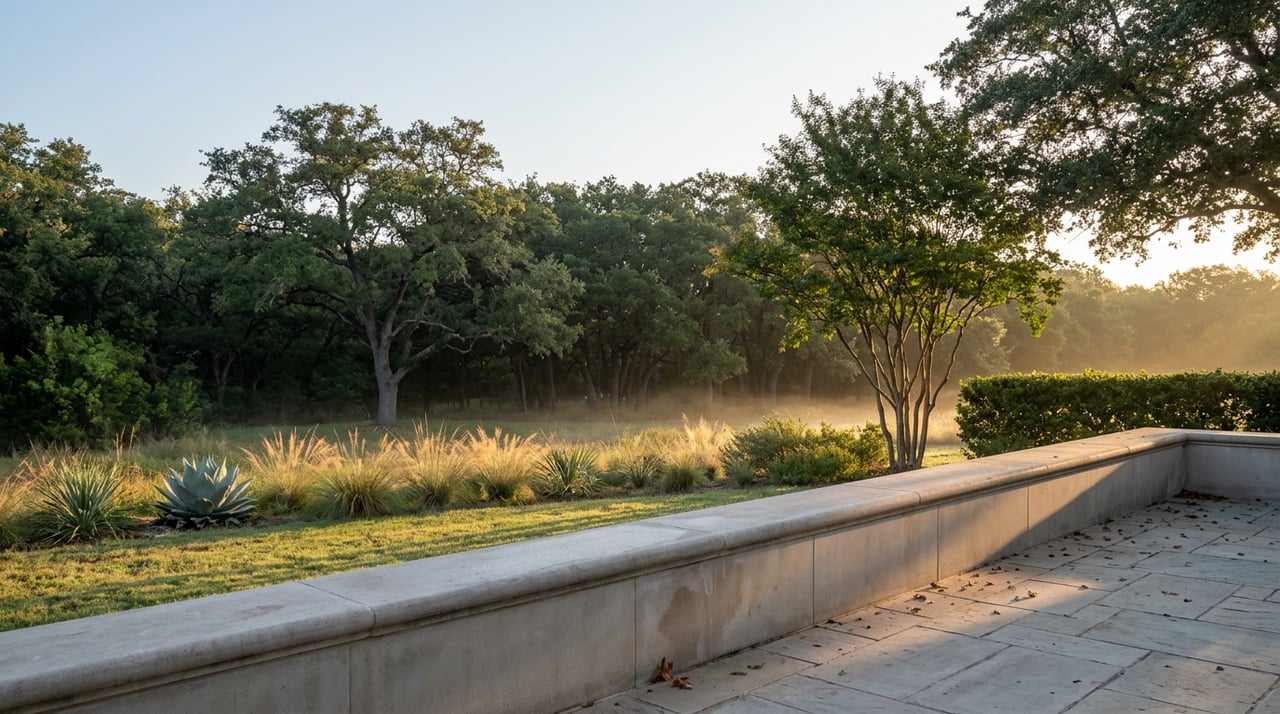
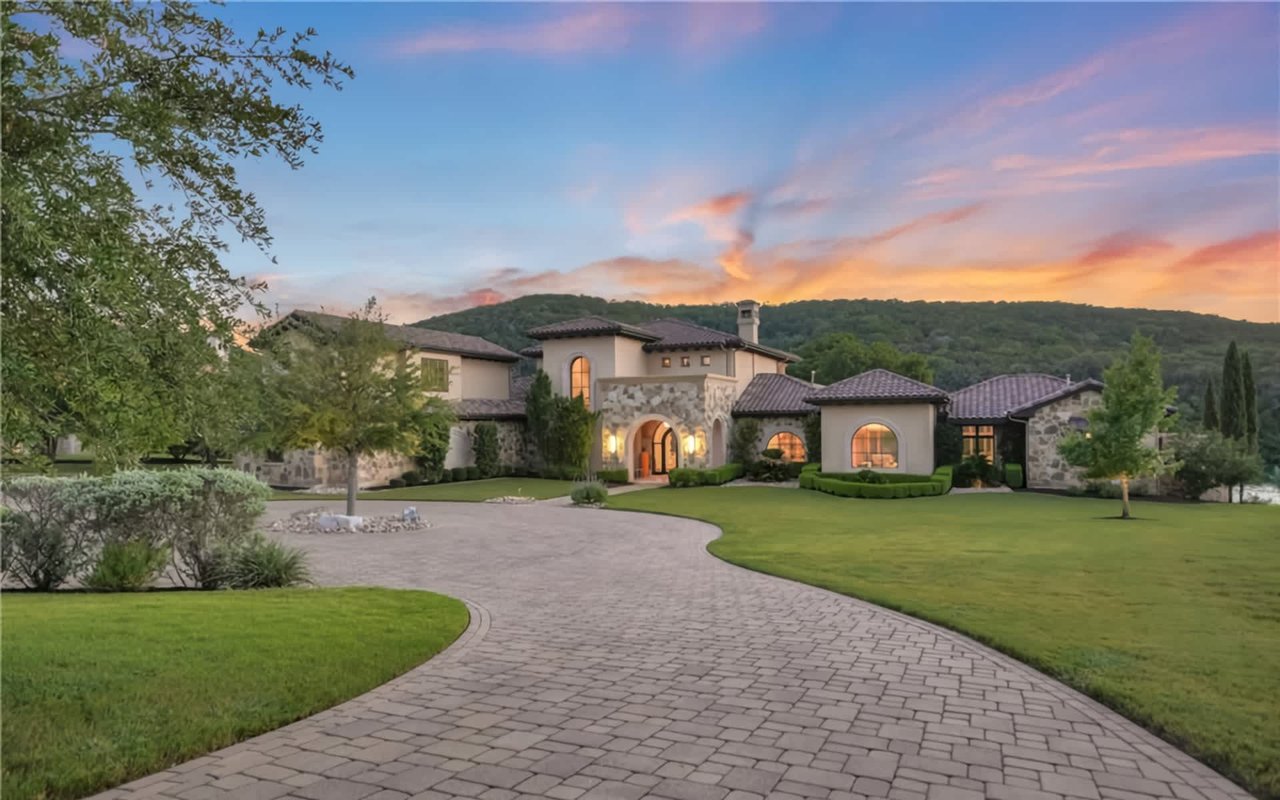
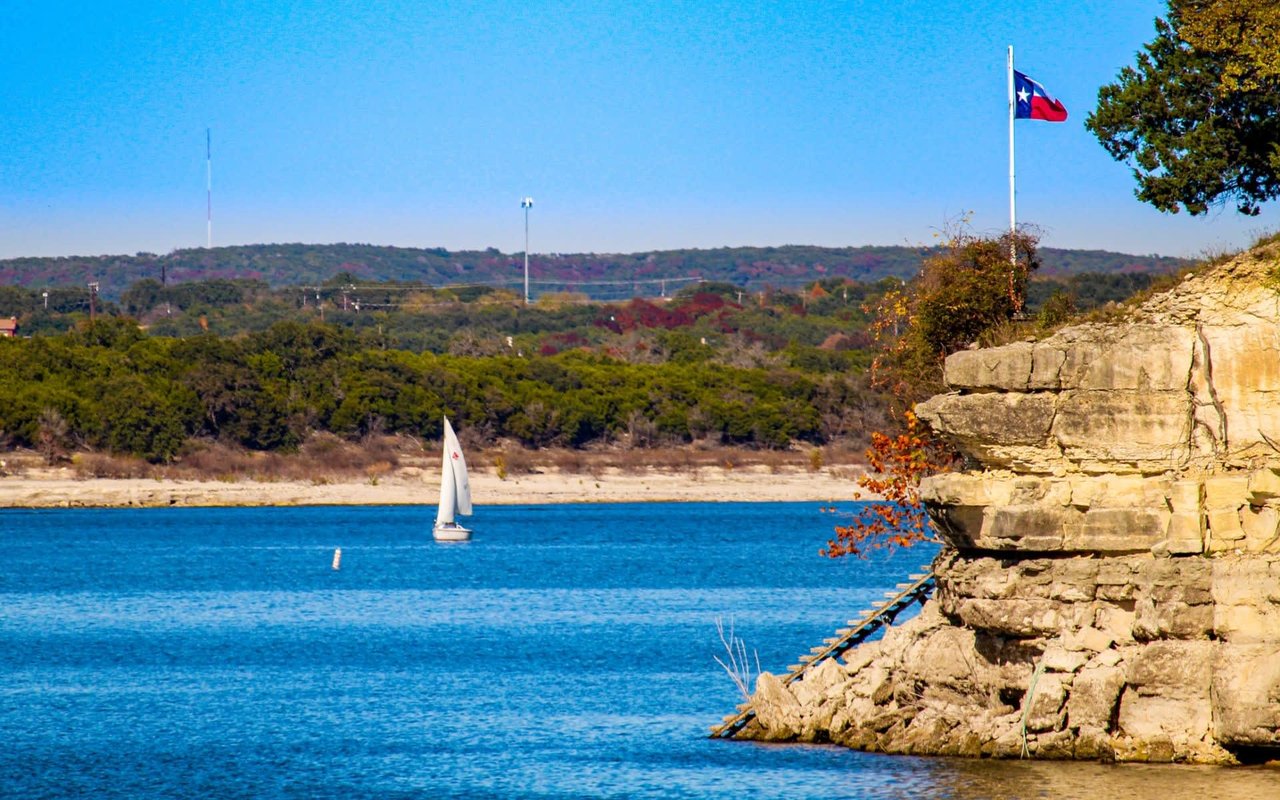
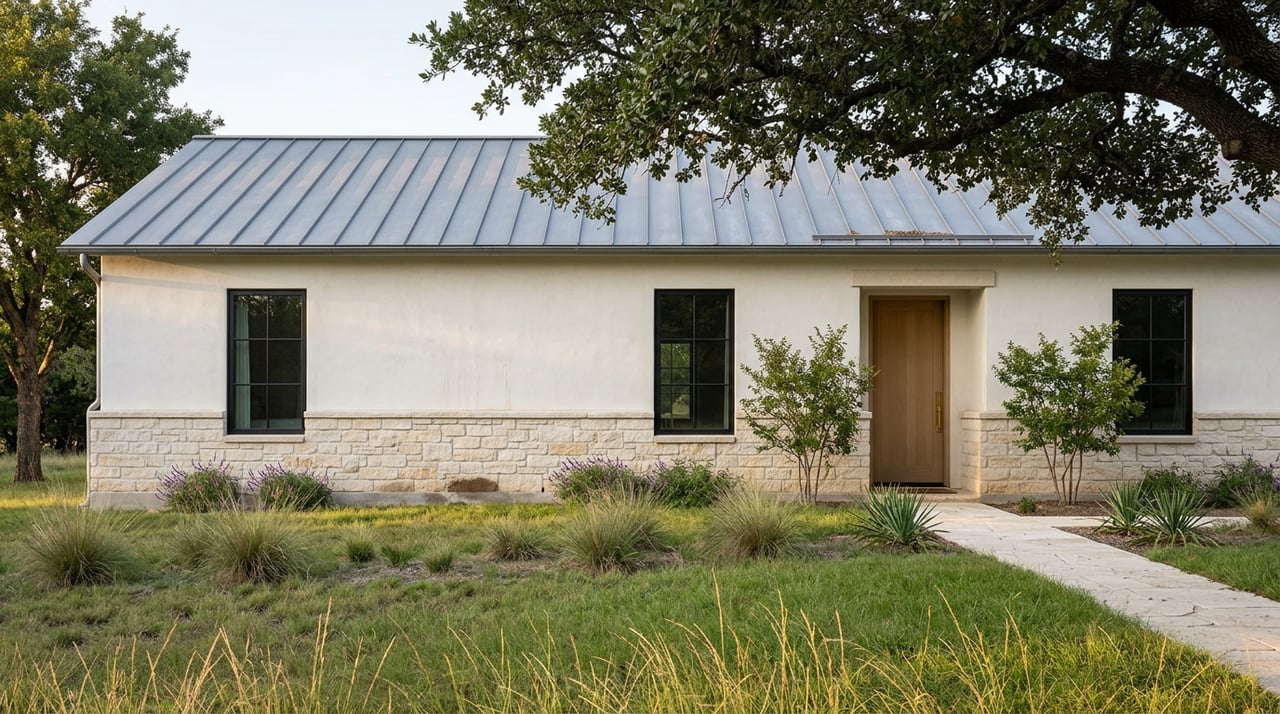
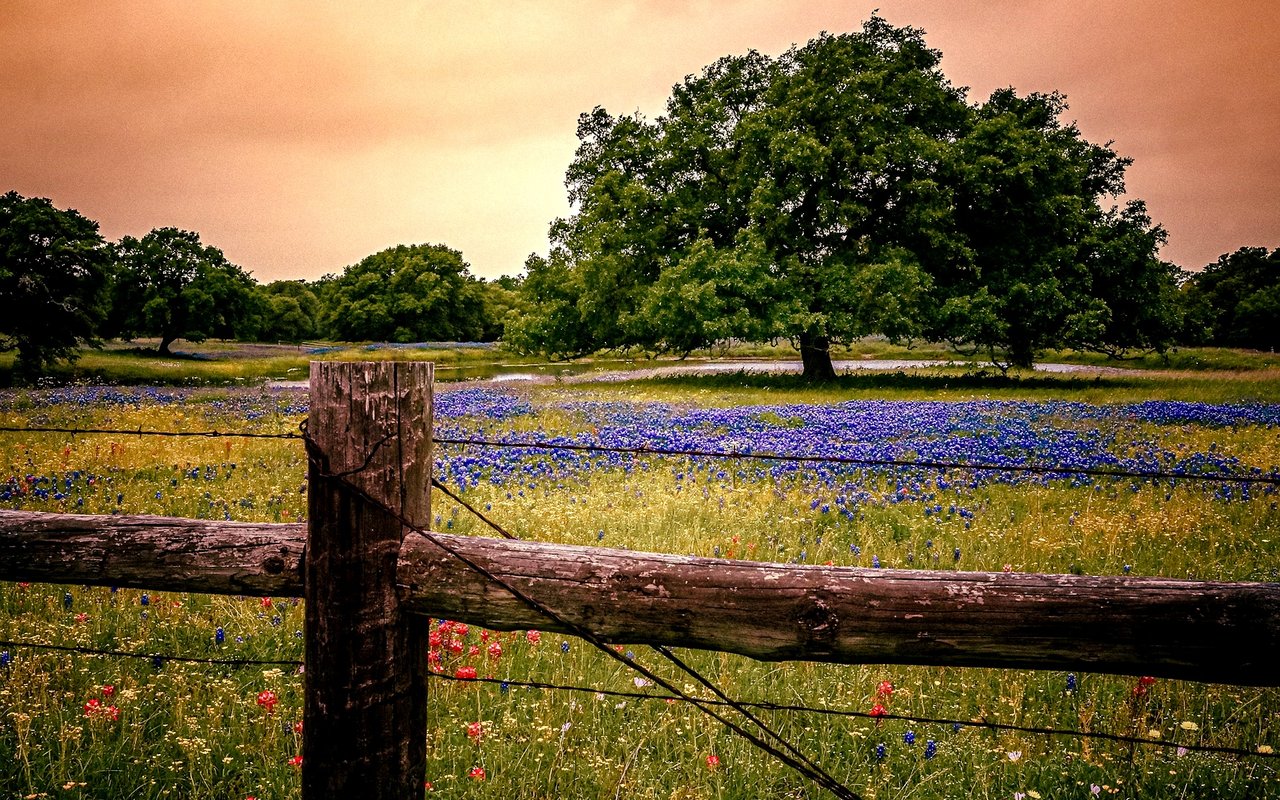
There is a particular kind of freedom that comes with waking up on Texas land. The Hill Country light is different at dawn — low and golden through live oaks, quiet in a way that no Austin neighborhood can replicate. We've helped buyers find ranch properties throughout the area, from Dripping Springs and Driftwood to Spicewood and the western edges of Lake Travis, and the ones who make the move almost never look back. Texas ranch living isn't a retreat from luxury. For the right buyer, it's the most elevated version of it.
Key Takeaways
- The Hill Country surrounding Austin offers privacy, natural beauty, and proximity to the city that few markets in the country can match
- Dripping Springs, Driftwood, and Spicewood are the primary markets for luxury ranch properties within 30–45 minutes of Austin
- Ranch properties require specific due diligence around water, utilities, and deed restrictions that standard home purchases don't
- Texas agricultural tax exemptions can significantly reduce the property tax burden on qualifying acreage
What Hill Country Ranch Living Actually Looks Like
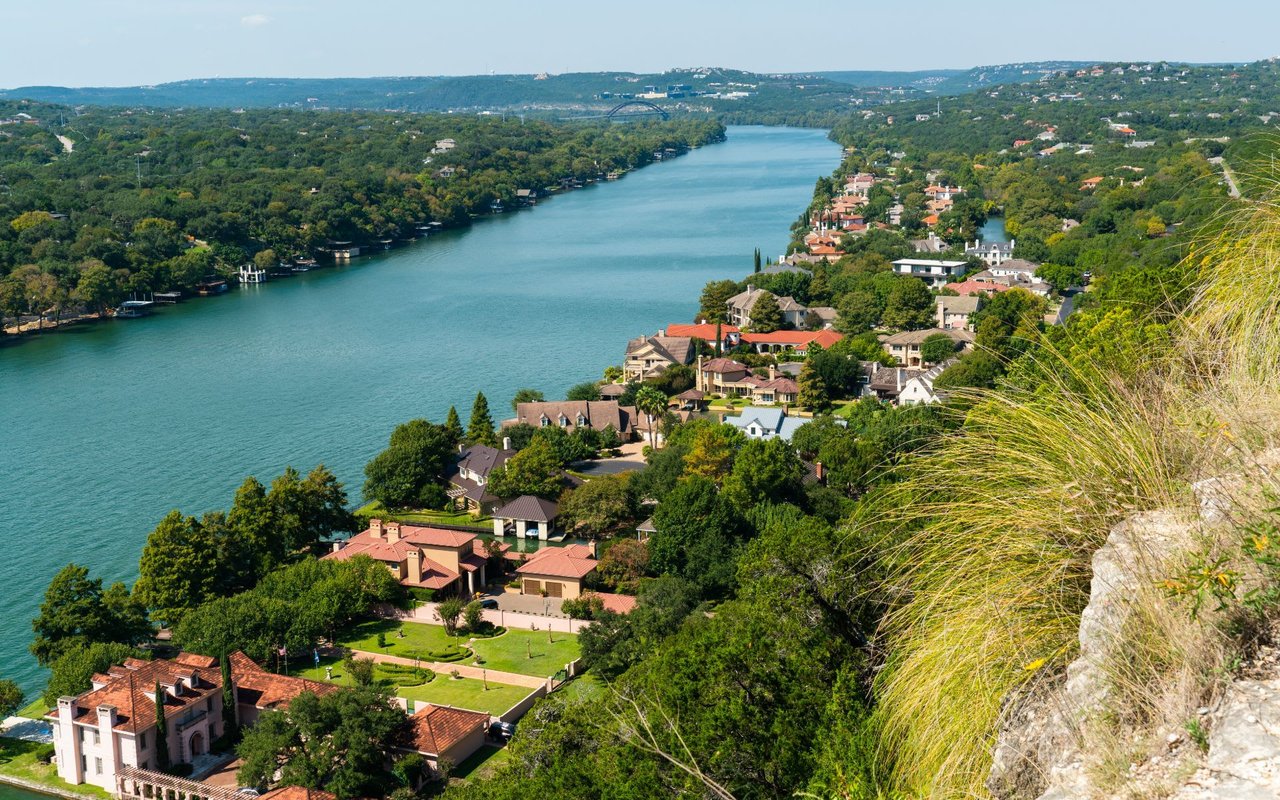
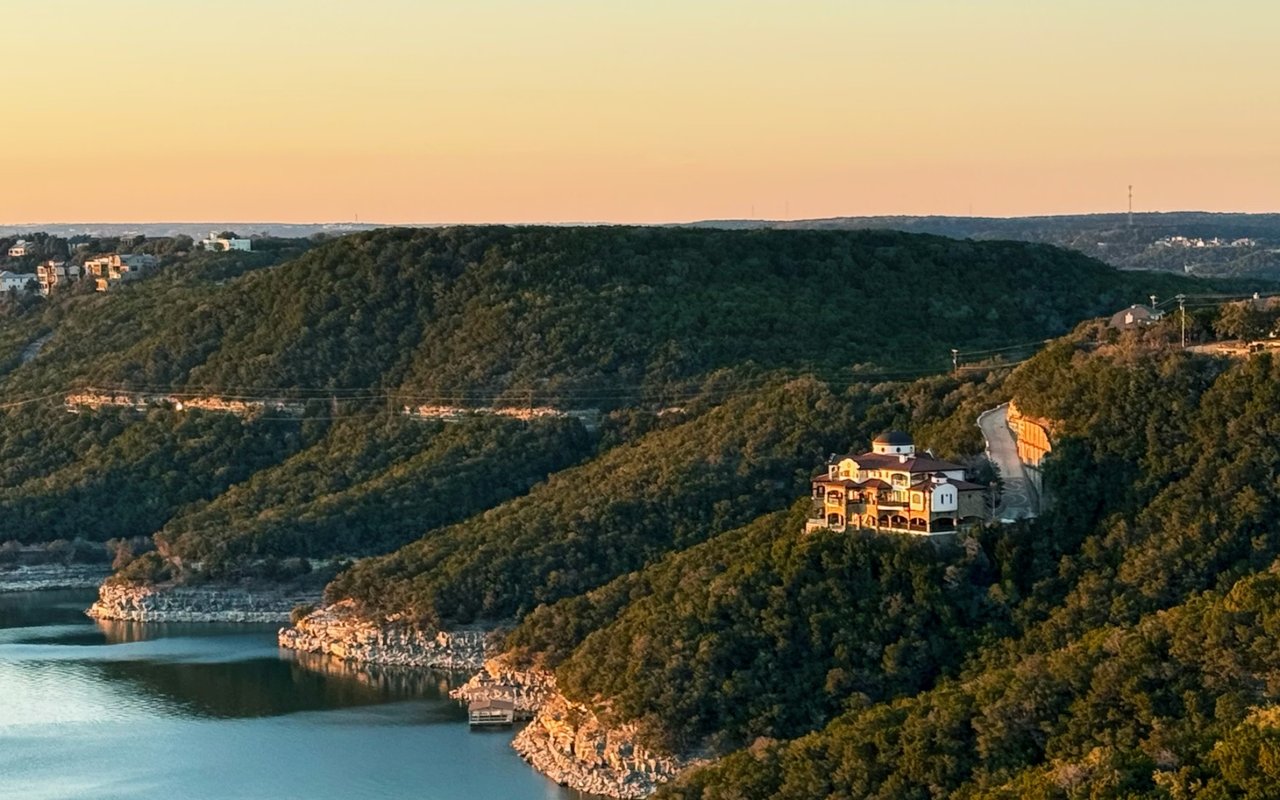
Dripping Springs (the "Gateway to the Hill Country") draws buyers who want acreage within an easy commute of Austin. Driftwood, just south of Dripping Springs, offers larger land tracts and deep seclusion, sitting near some of Central Texas's most iconic landmarks, including the Salt Lick BBQ on its sprawling oak-shaded property. Spicewood, at the western edge of Lake Travis, combines Hill Country terrain with water proximity — home to Spicewood Vineyards and stretches of Pedernales River bluffs that are among the most scenic in the state.
What these communities share is the daily experience of living on land: mornings with long views over limestone hills, evenings where the only light competition comes from fireflies, and privacy that no neighborhood fence line can replicate.
What these communities share is the daily experience of living on land: mornings with long views over limestone hills, evenings where the only light competition comes from fireflies, and privacy that no neighborhood fence line can replicate.
What Defines a Quality Hill Country Ranch Property
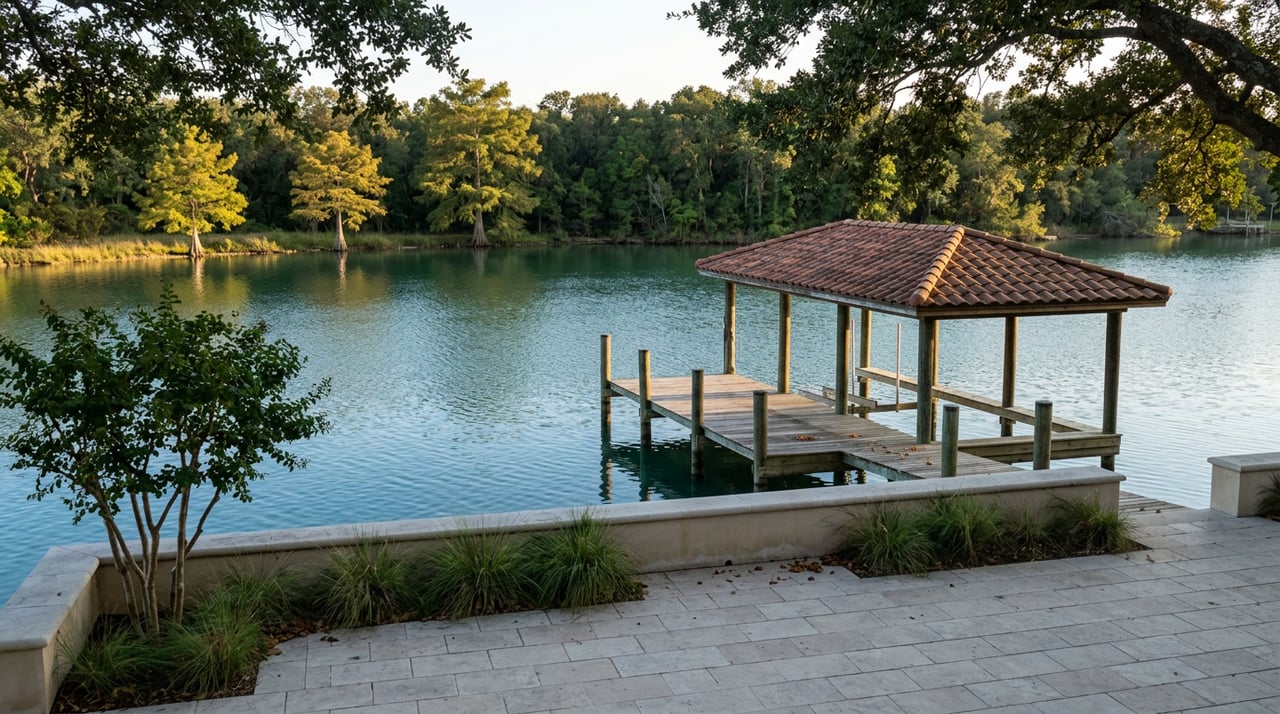
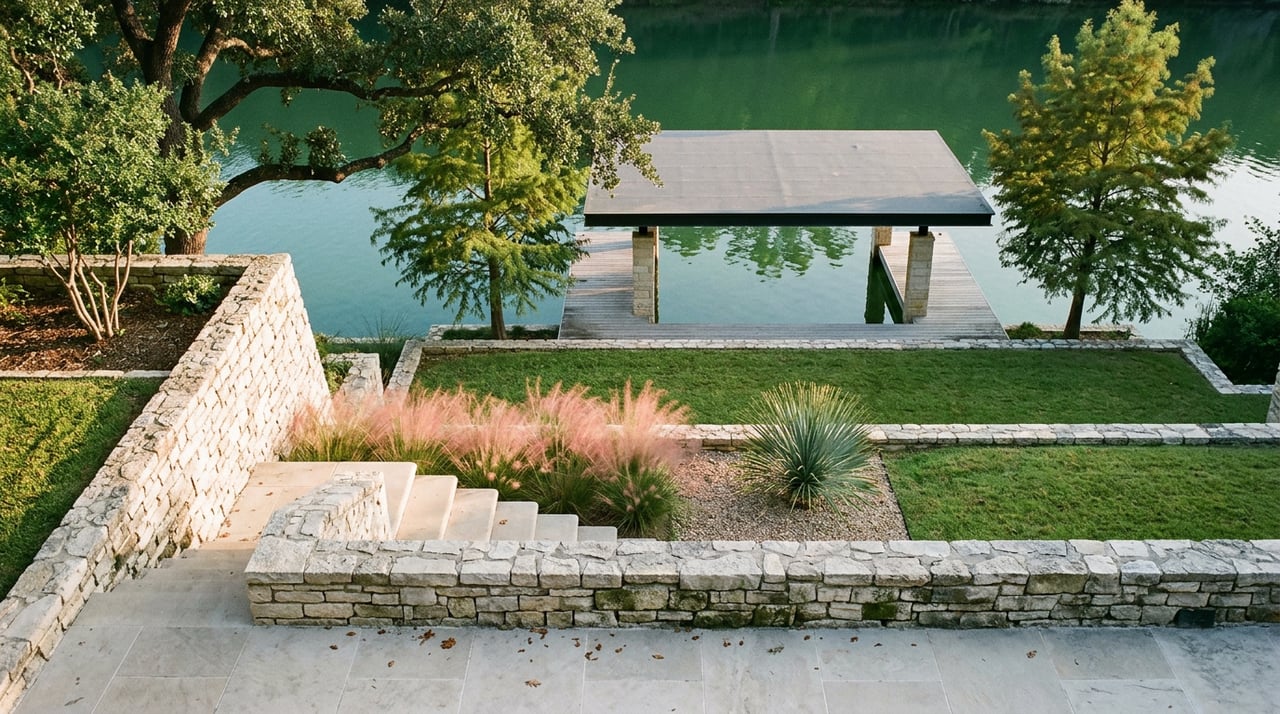
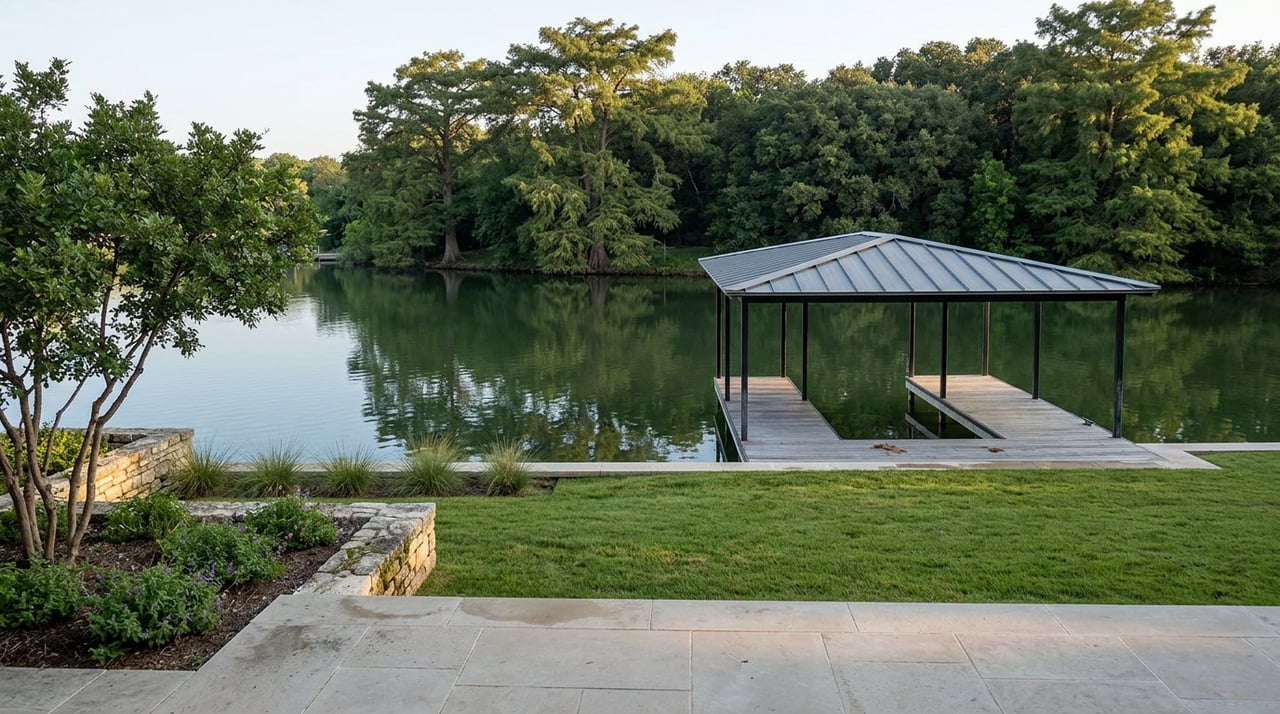
- Live water: A spring-fed creek, stock pond, or river frontage elevates value and usability significantly — properties with reliable live water are genuinely rare and command a meaningful premium
- Mature tree coverage: Established live oaks provide natural shade, wind protection, and the aesthetic character that defines Hill Country land
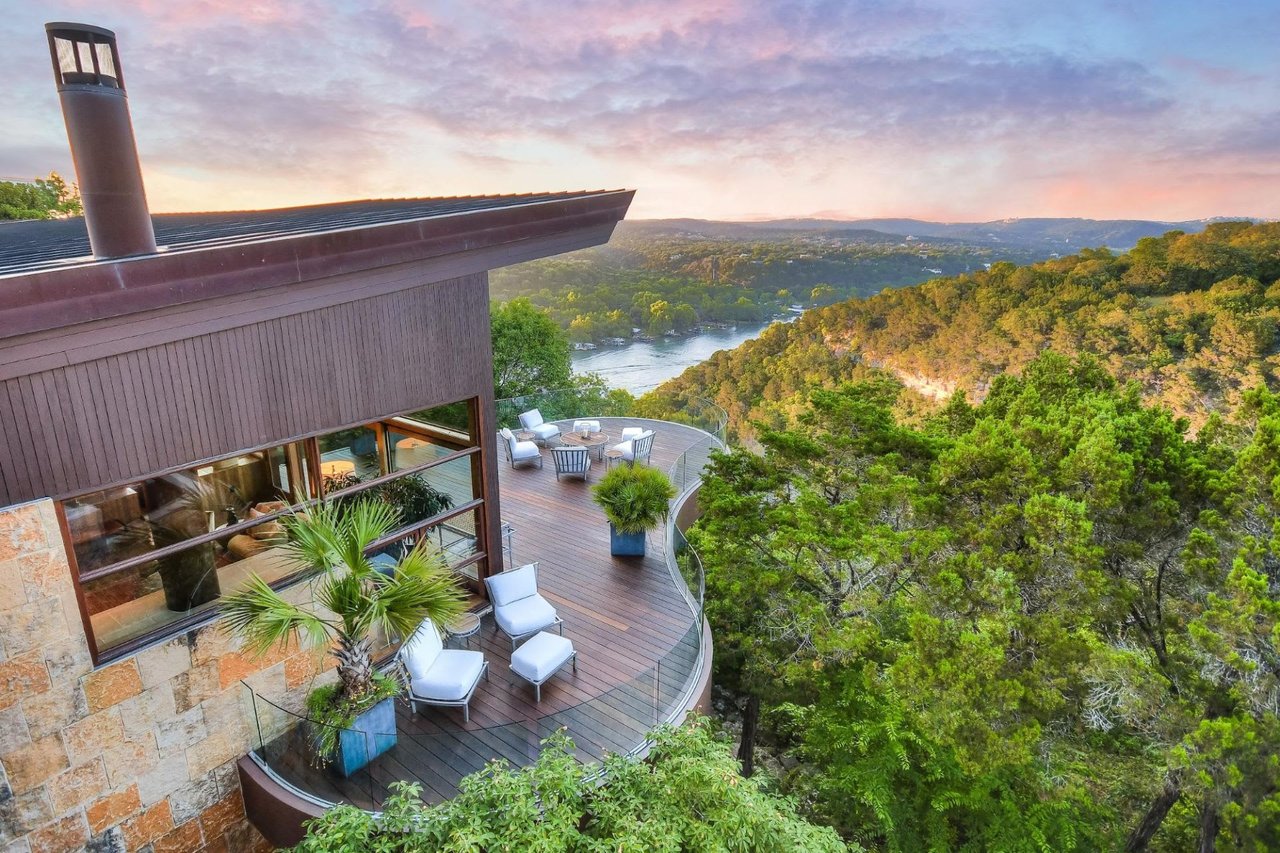
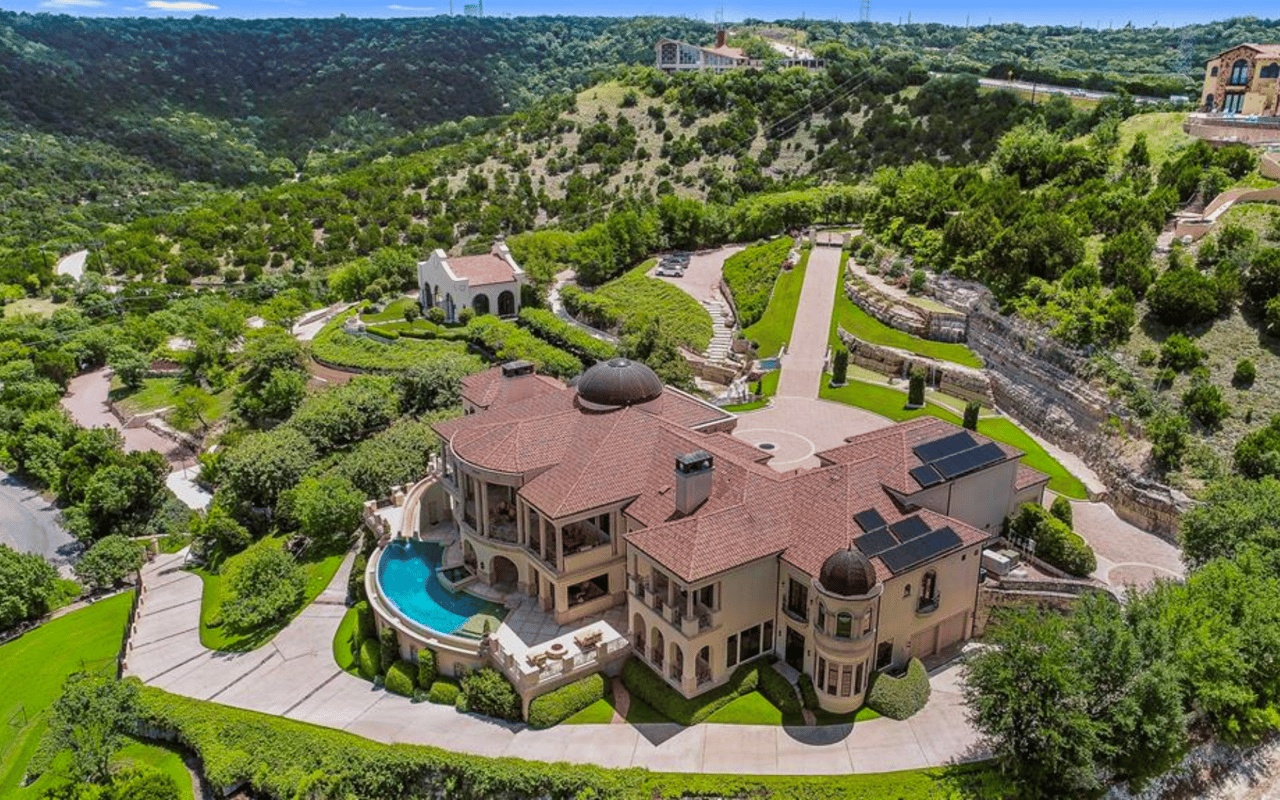
- Ridge-top building sites: The placement of the main residence relative to the terrain determines the daily view; elevated sites with long-range panoramas consistently outperform flat or low-lying parcels
- Gated access and all-weather roads: Privacy starts at the entrance; properties with paved or well-maintained gravel drives are more functional and hold value better than those without
Due Diligence That Ranch Buyers Can't Skip
Ranch properties require a different level of scrutiny than a standard home purchase. The physical structure matters, but so does the land — and the land is where buyers who move fast without doing their homework tend to discover expensive surprises after closing.
Water is the most critical variable on any Texas ranch. A private well needs to be evaluated for production rate, depth, and water quality. Surface water (ponds, creeks, river frontage) needs to be assessed for seasonal reliability. On properties near the Pedernales or Colorado River corridors, floodplain maps are essential before you make an offer.
Water is the most critical variable on any Texas ranch. A private well needs to be evaluated for production rate, depth, and water quality. Surface water (ponds, creeks, river frontage) needs to be assessed for seasonal reliability. On properties near the Pedernales or Colorado River corridors, floodplain maps are essential before you make an offer.
What to Verify Before Purchasing a Ranch Near Austin
- Water well production and quality: Request a pump test and independent water quality analysis — output and mineral content vary significantly across Hill Country geology
- Utility infrastructure: Confirm propane availability, septic capacity, and high-speed internet access before closing; all three vary considerably on rural properties
- Agricultural tax exemption status: Properties under ag exemption are taxed on productive value rather than market value, a major cost difference on large acreage; confirm whether the exemption conveys and what use qualifies it
- Deed restrictions and easements: Some Hill Country acreage carries recorded restrictions on subdivision, livestock, or commercial use; these live in the title documents, not the listing
- Road access and maintenance obligations: Confirm whether any shared easements cross the property and what maintenance agreements are in place with adjacent landowners
What Luxury Ranch Properties Near Austin Cost
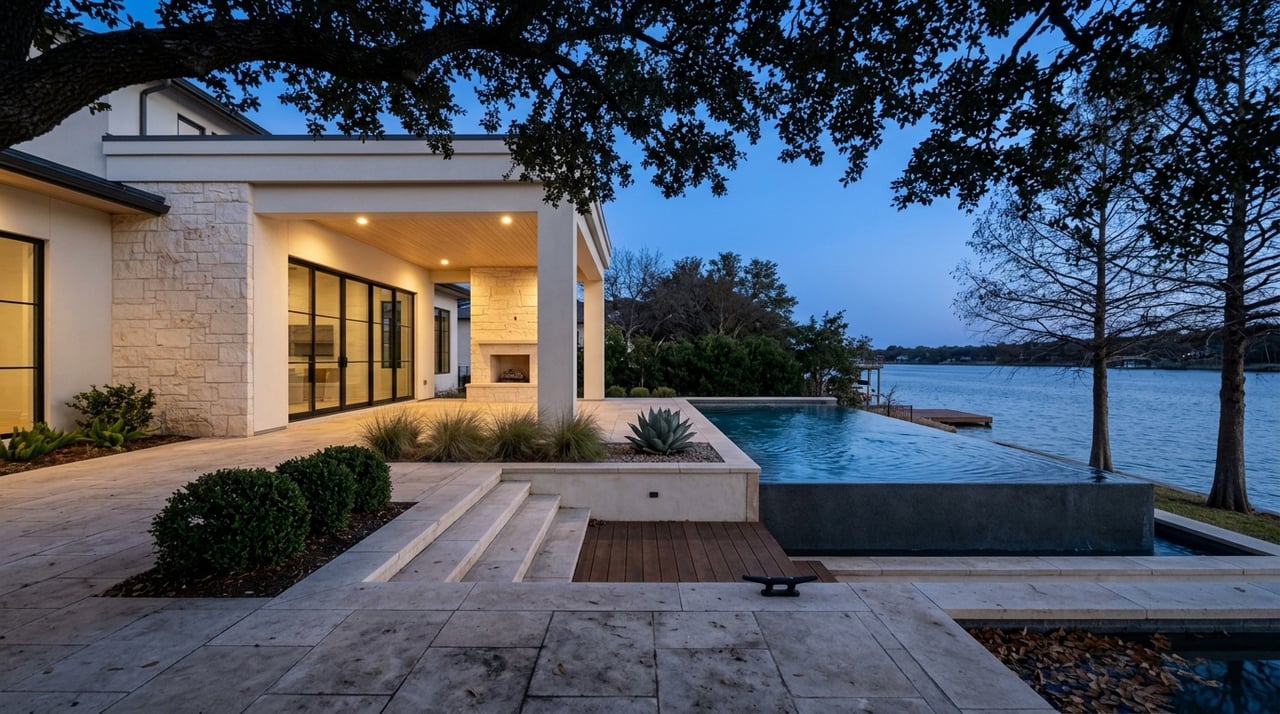
The Hill Country land market has matured considerably, and pricing reflects the scarcity of what's left. Properties in Dripping Springs and Driftwood with acreage, live water, and a quality custom home routinely trade in the $2–5M range. Spicewood and the Lake Travis western corridor offer compelling value relative to Westlake; comparable views, significantly more land, and a price per acre that still rewards early movers.
What Drives Price Per Acre on Hill Country Ranch Properties
- Live water frontage: Creek or river access commands the highest premiums; properties with reliable live water are rare and priced accordingly
- Proximity to Austin: Properties within 30 minutes of the city carry a meaningful access premium over comparable land an hour out
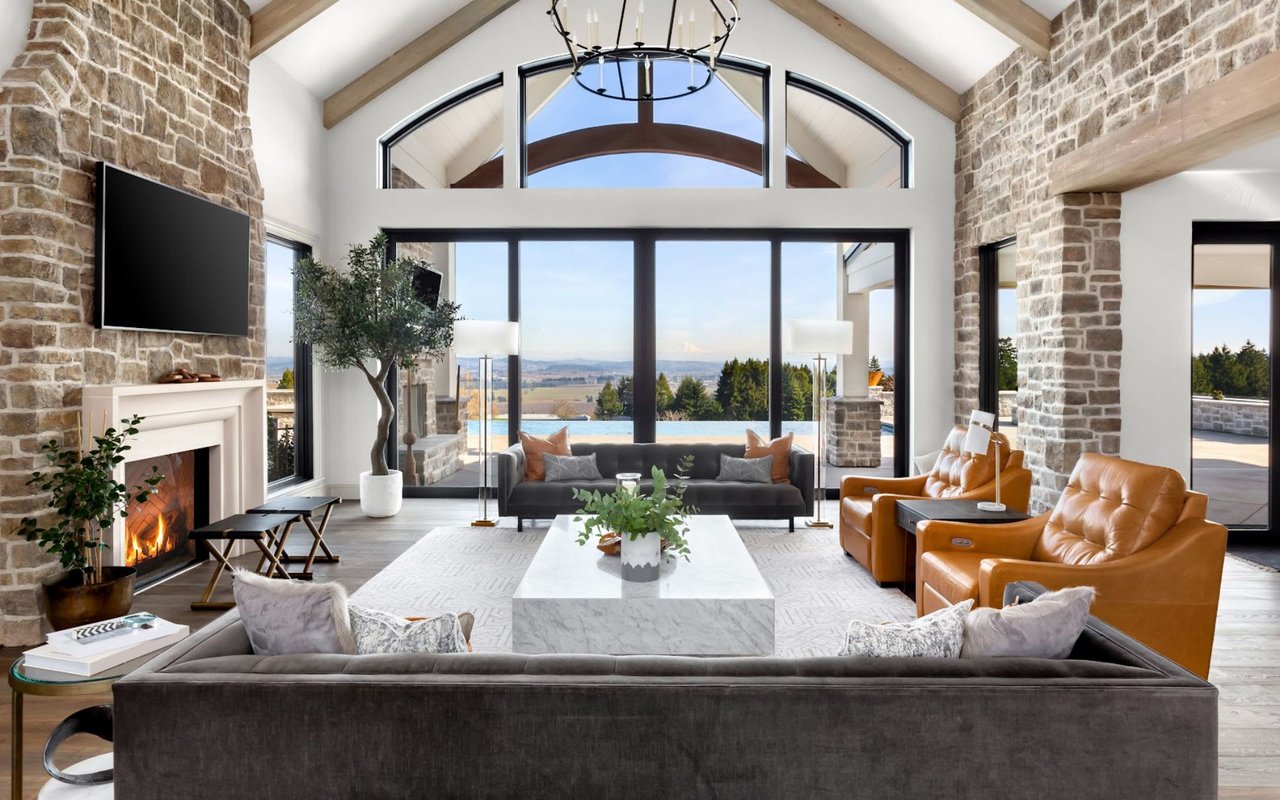
- Quality of improvements: A well-positioned custom home, guest house, and barn add value beyond raw land price, but only when the improvements are maintained and sited to maximize the terrain
- Views and topography: Ridge-top parcels with long-range Hill Country panoramas consistently outperform flat or low-lying acreage of similar size
Frequently Asked Questions
How close can I be to Austin and still find true ranch property?
Closer than most buyers expect. Dripping Springs is about 25 miles from downtown Austin, and quality acreage properties exist within 10–15 minutes of the town center. Driftwood and Spicewood add another 10–15 minutes but often deliver more land per dollar and deeper seclusion. We know this corridor well and can help you find where the right balance lands for your priorities.
What is an agricultural tax exemption, and does it affect my purchase?
A Texas ag exemption taxes qualifying land on its productive agricultural value rather than market value, a meaningful difference on Hill Country acreage that would otherwise carry a 2–3% annual property tax rate. Common qualifying uses include cattle grazing, wildlife management, and beekeeping. We always verify current exemption status before our clients make an offer on any ranch property.
Can I build a custom home on raw Hill Country land?
Yes, though the process takes more planning than a standard residential build. You'll need to confirm well permitting, septic approval, and any applicable county or deed restrictions before breaking ground. Many buyers in Dripping Springs and Spicewood work with Hill Country custom builders who have established relationships with local permitting offices.
Reach Out to Kathryn Scarborough Group Today
Ranch properties in the Austin Hill Country move quietly and quickly; the best acreage rarely makes a broad public splash before it's under contract. The Kathryn Scarborough Group has deep roots in this market and knows where the opportunities are before they become listings.
When you're ready to explore what Texas ranch living looks like for you, reach out to us at Kathryn Scarborough Group, and let's start the conversation.
When you're ready to explore what Texas ranch living looks like for you, reach out to us at Kathryn Scarborough Group, and let's start the conversation.