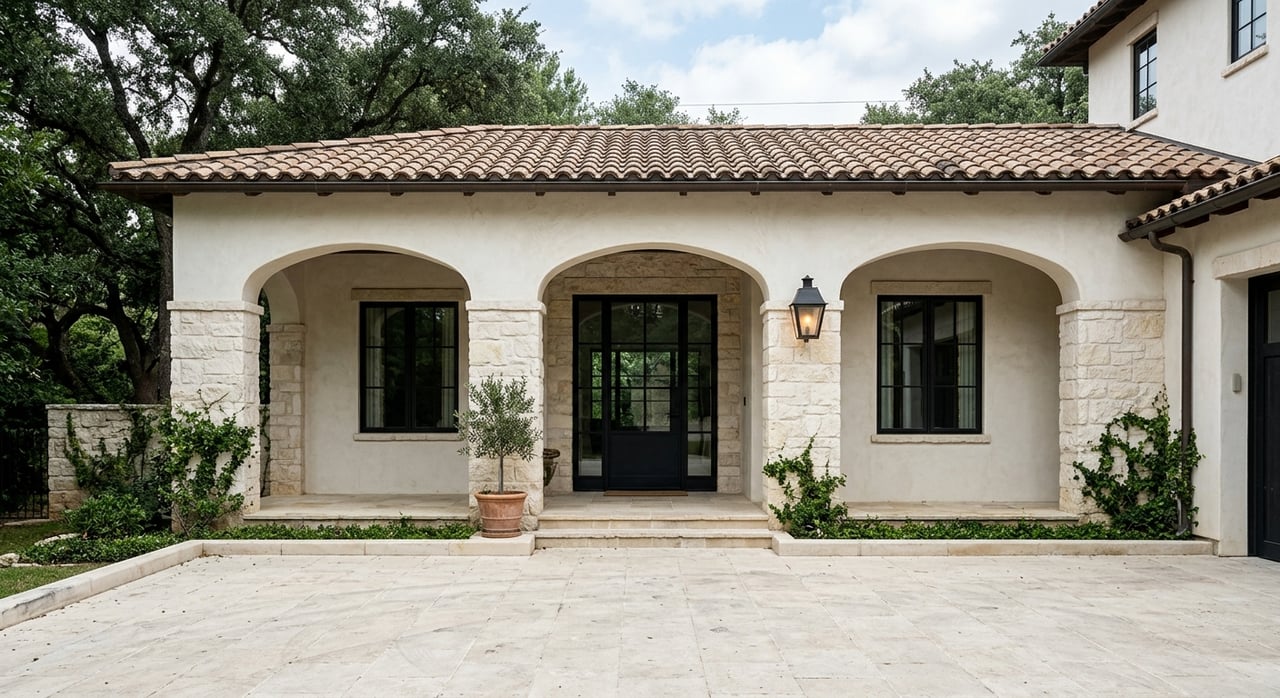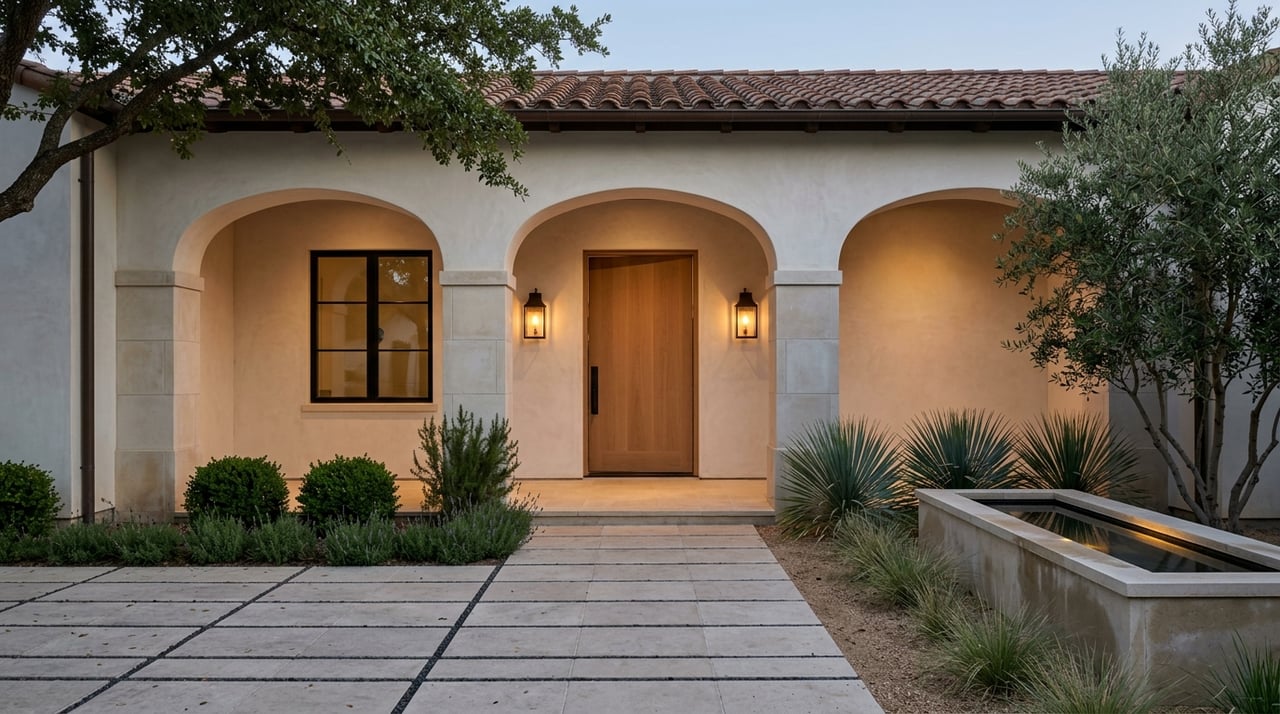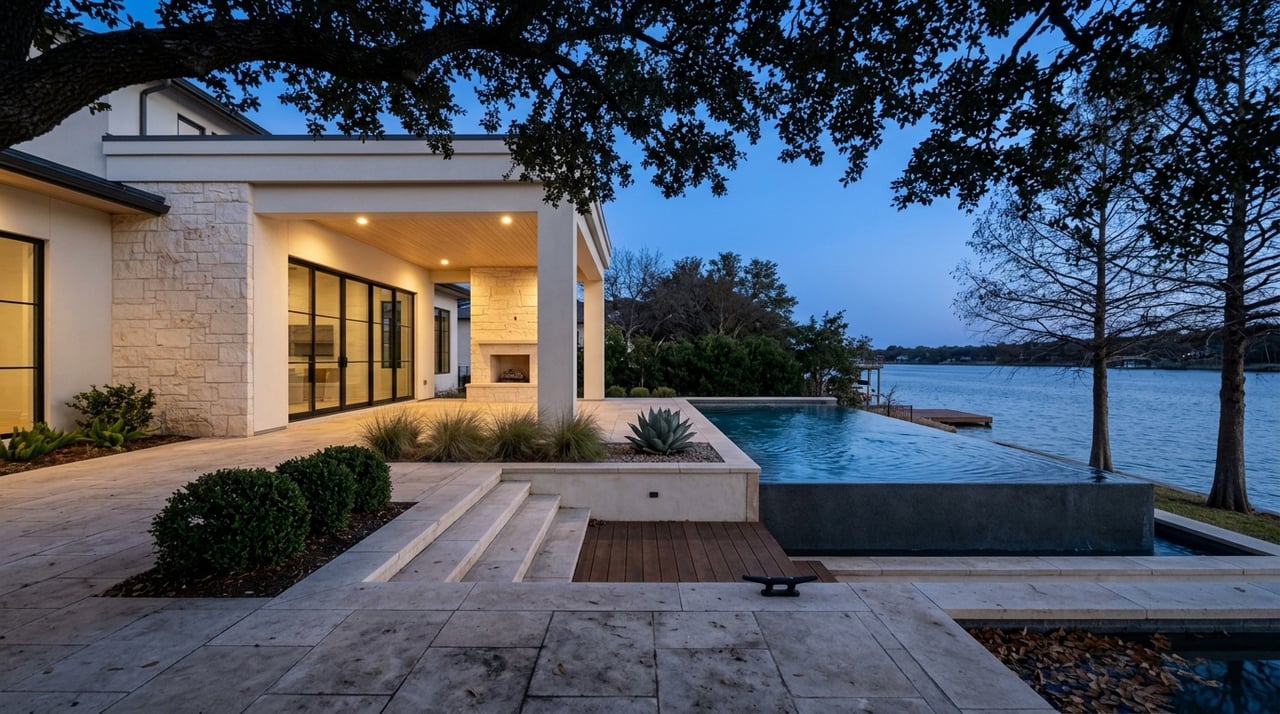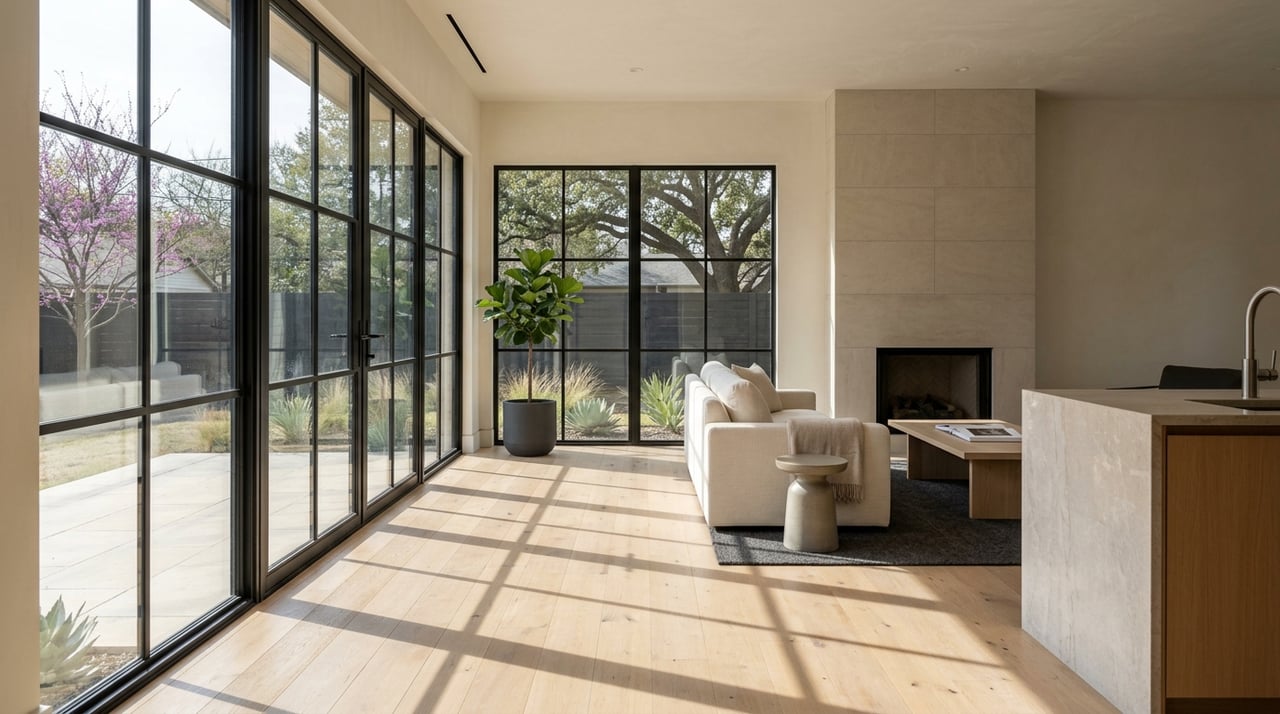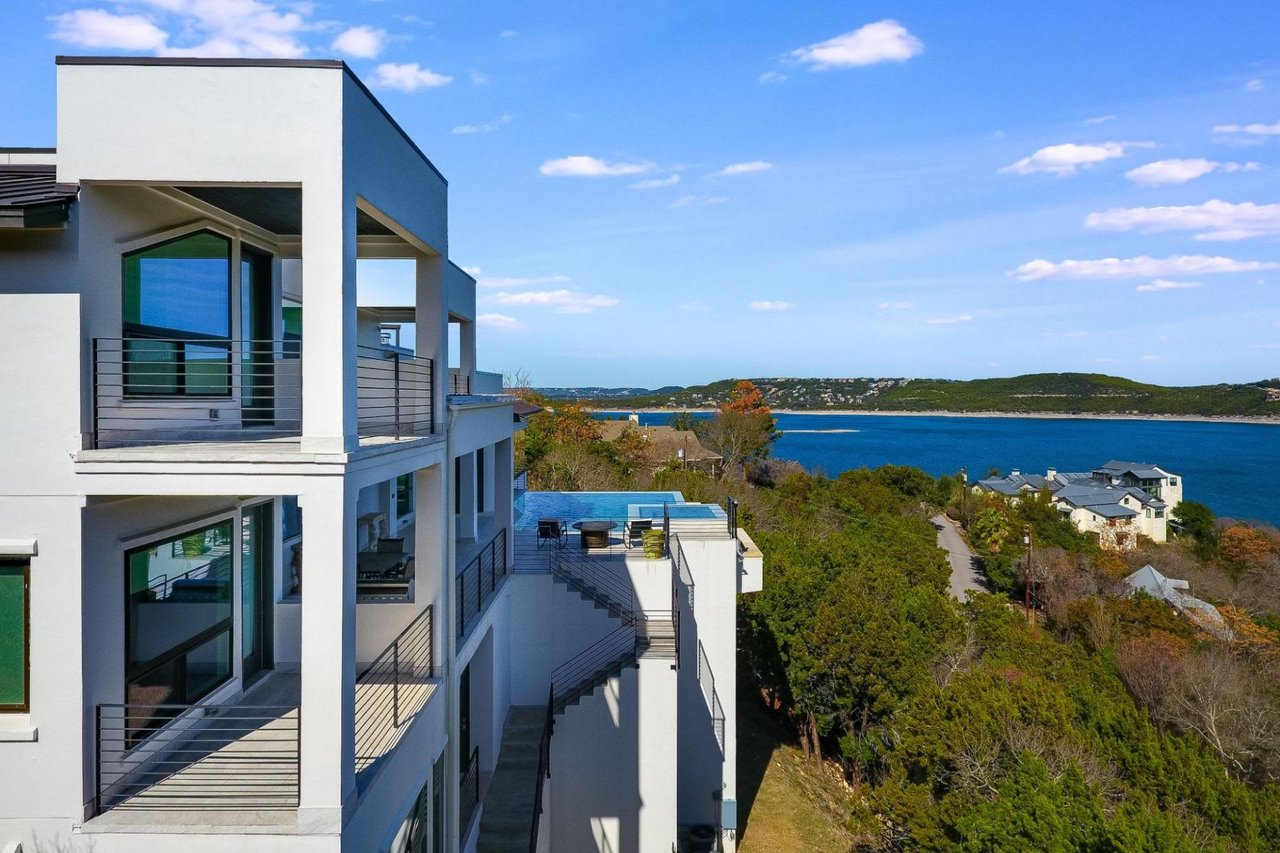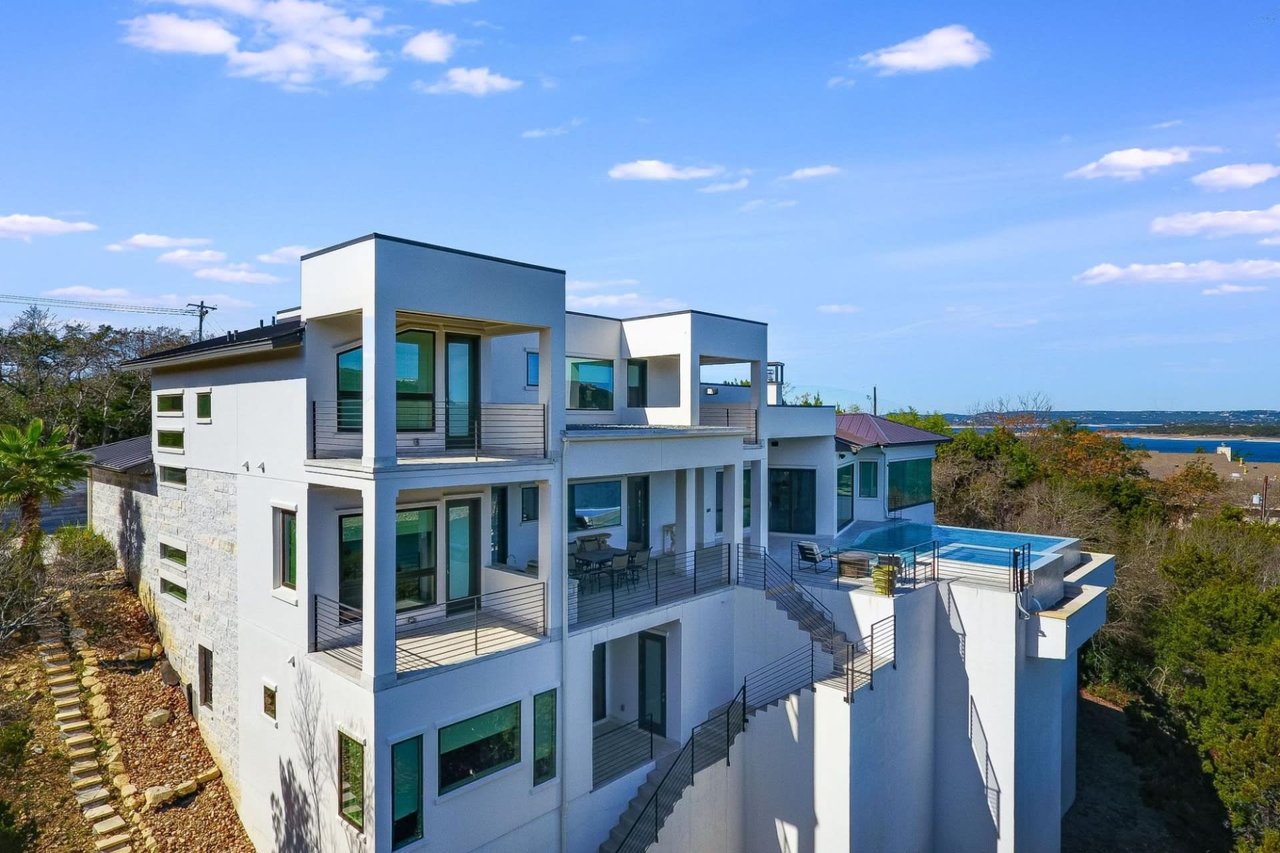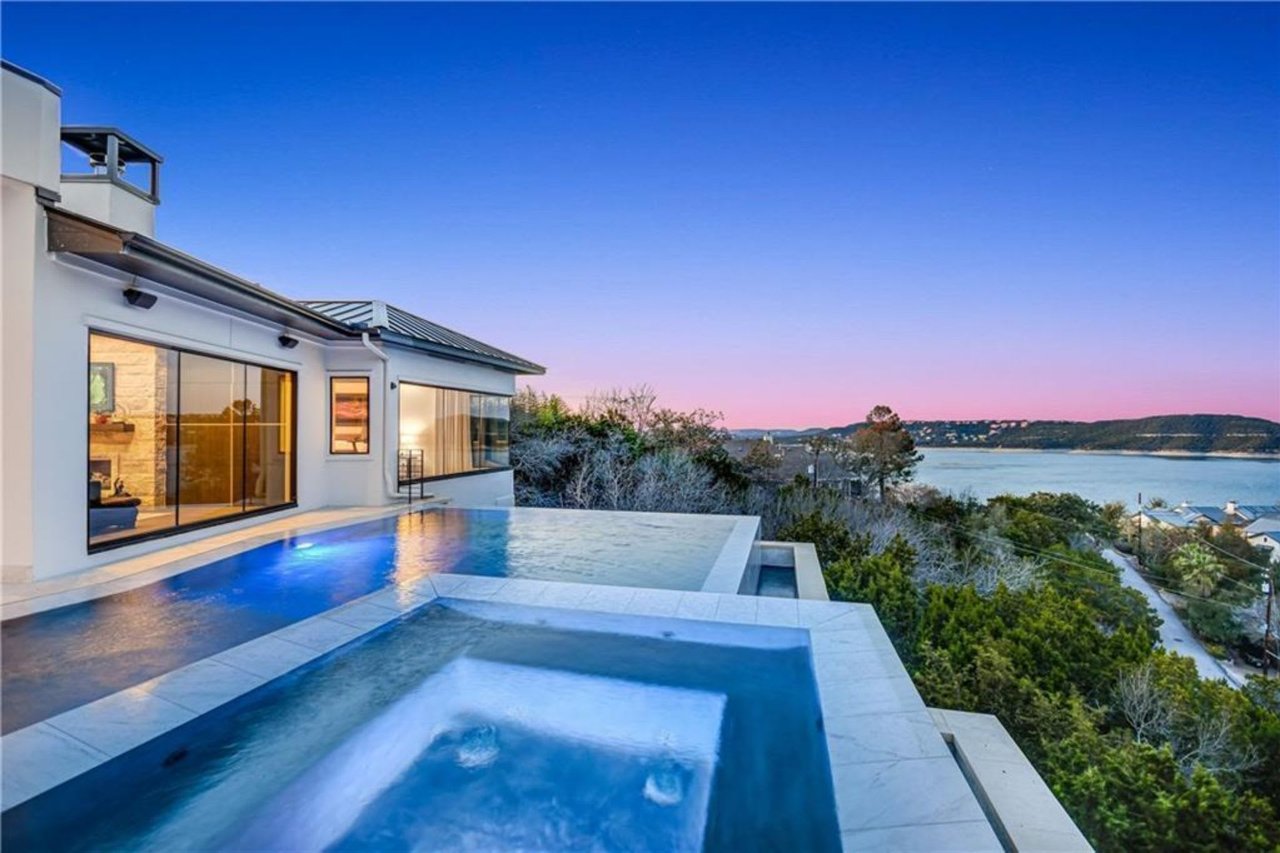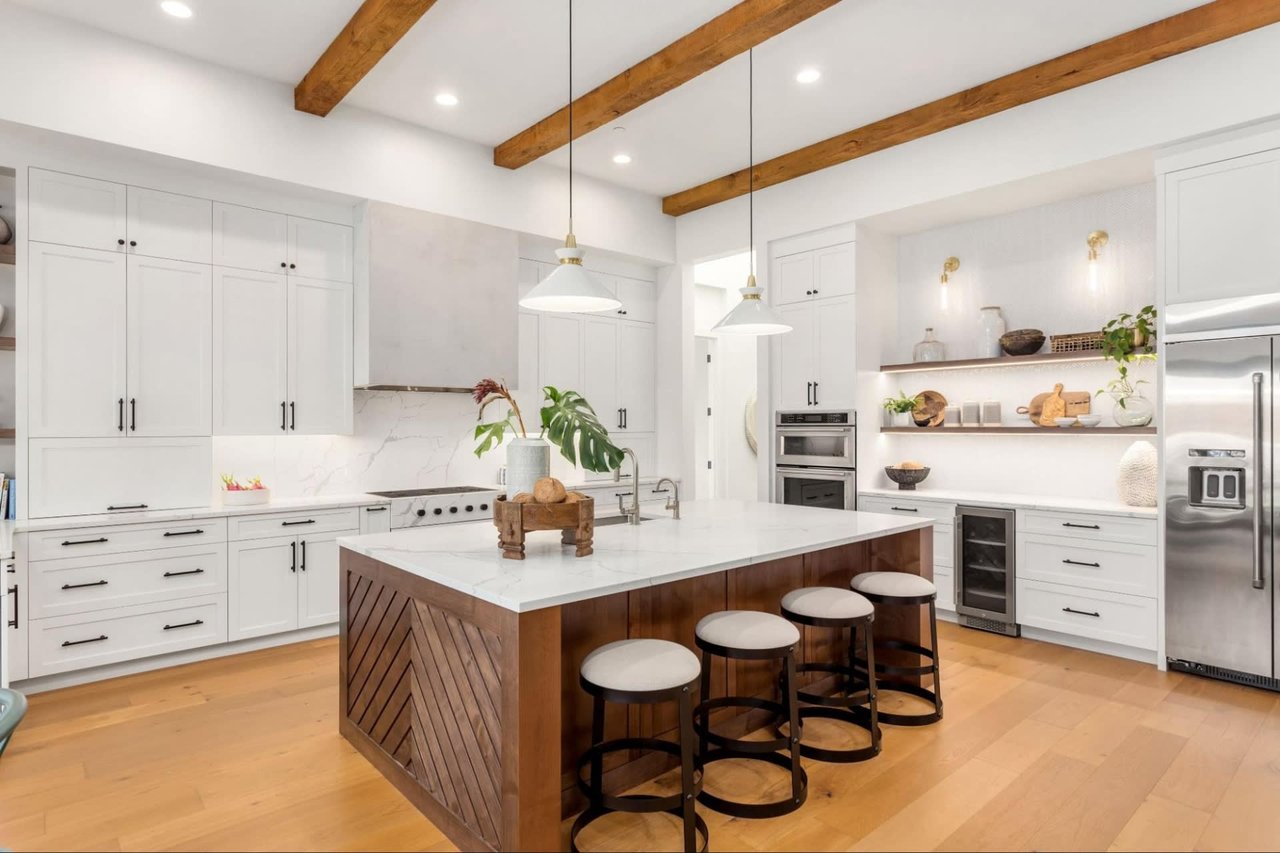

A second home on Lake Travis can sound like the perfect escape, but the day-to-day reality depends on more than a beautiful view. If you are thinking about a weekend retreat, a seasonal residence, or a lock-and-leave luxury home near the water, it helps to look closely at access, maintenance, financing, and local rules before you buy. With the right due diligence, you can choose a property that fits how you actually want to live and use it. Let’s dive in.
Why Lake Travis draws second-home buyers
Lake Travis offers a mix of waterfront living, hill country views, and resort-style convenience that is hard to replicate elsewhere in the Austin area. For many buyers, the appeal is simple: you can enjoy a second home that feels removed from the city while still staying connected to it.
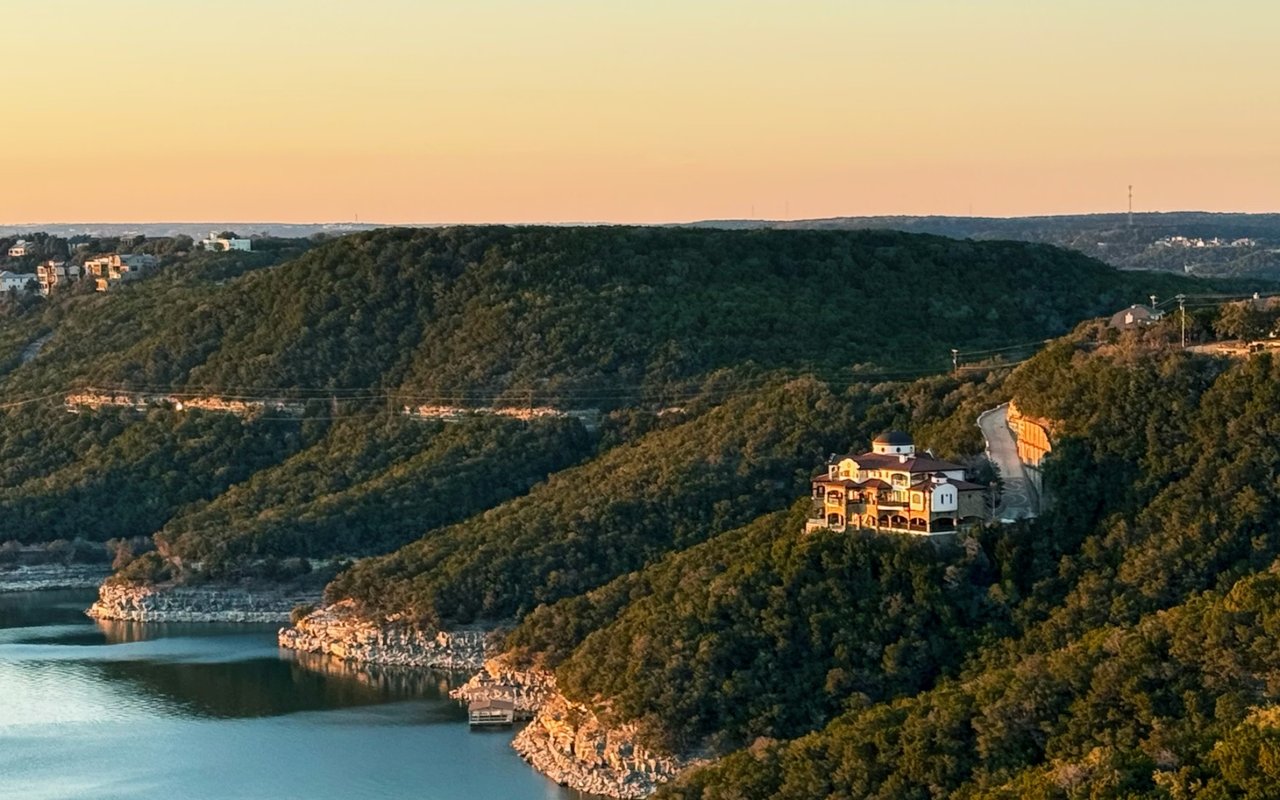
That said, Lake Travis is not a fixed-shoreline lake in the way some buyers expect. The Lower Colorado River Authority, which manages the reservoir, considers the lake full at 681 feet above sea level, and water levels can change over time. For you as a buyer, that means shoreline, water access, and dock usability may look different from season to season.
Lake levels affect waterfront ownership
If you are considering direct waterfront, the lake itself becomes part of your ownership experience. A home may offer excellent views and private water access, but those features can function differently depending on current and future lake conditions.
The LCRA also notes that the shoreline is wherever the water meets the land. That matters because moving or maintaining a dock during drought conditions is not as simple as treating the shoreline like a permanent lot line. Waterfront ownership here often requires more flexibility and more planning than buyers first assume.
Docks require more oversight
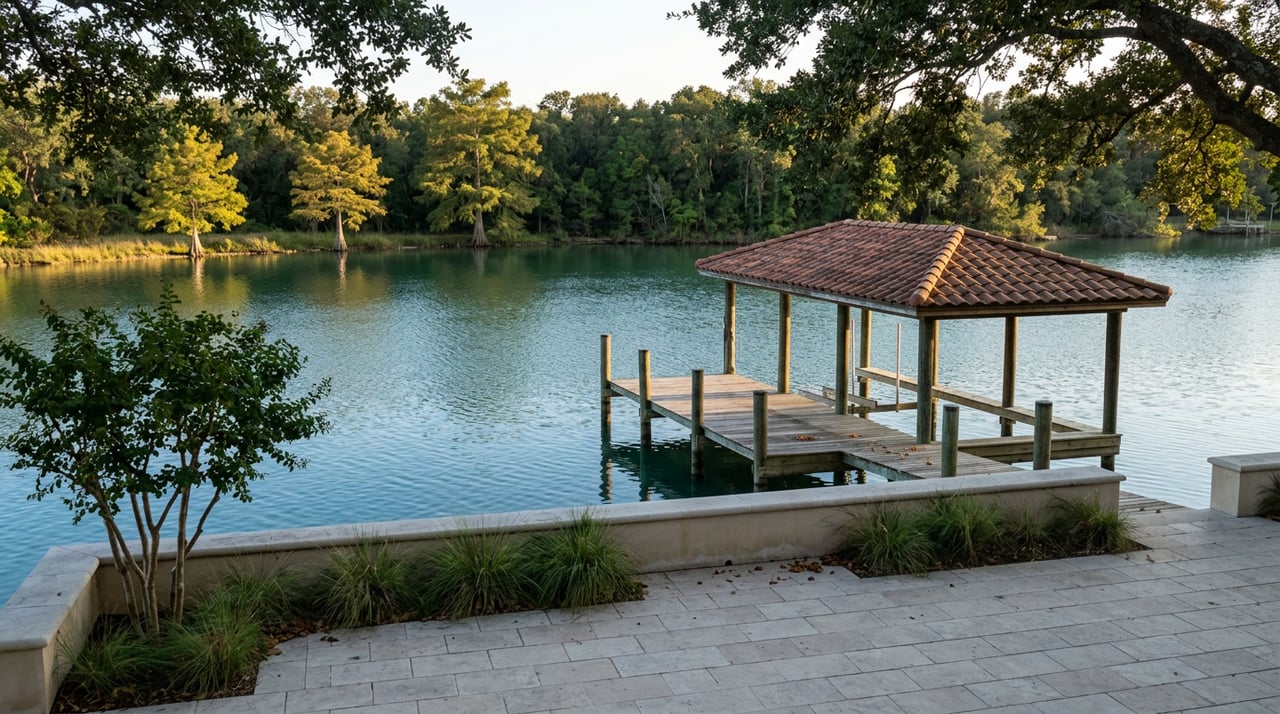
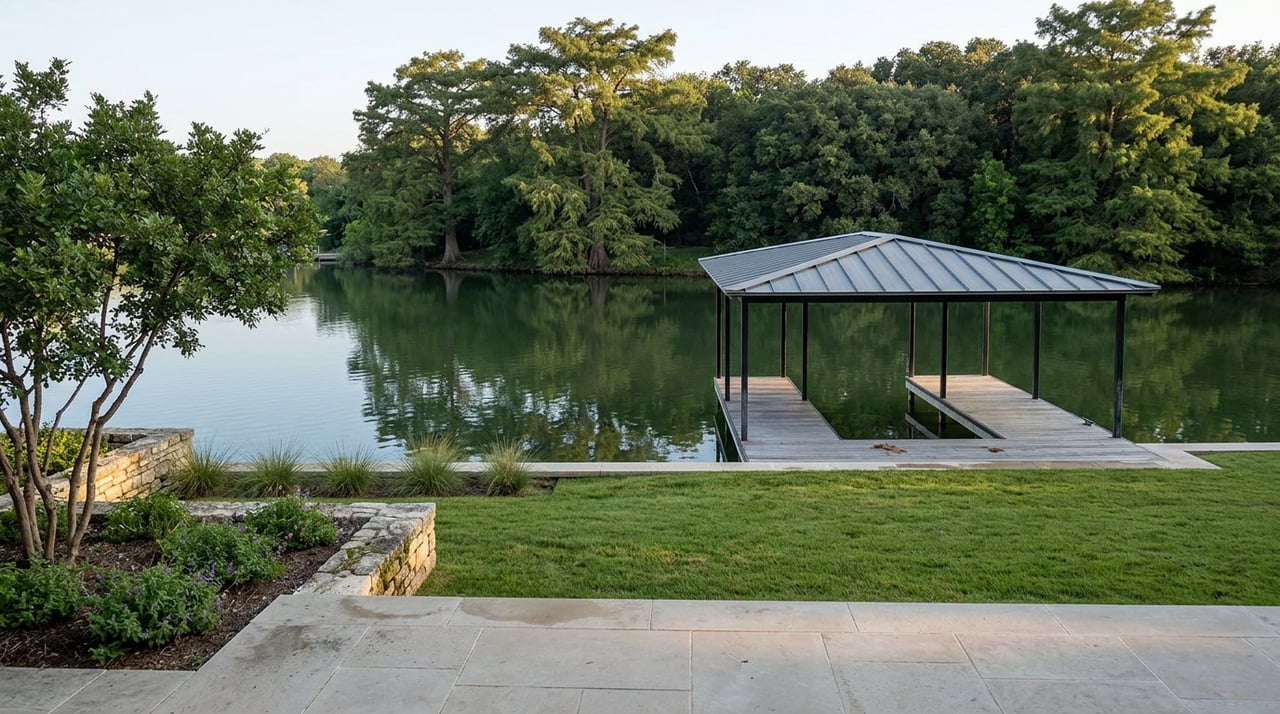
On Lake Travis, docks and marinas are not a minor side detail. The LCRA estimates there are more than 3,700 floating docks on Lakes Travis and Buchanan, and its standards still apply even when lake levels are low.
If the home includes a dock or potential dock site, you should verify what improvements exist, what permits may apply, and what maintenance may be needed. Compared with a typical second home, a waterfront property can involve more vendor coordination, more repair planning, and more review of shoreline conditions over time.
Access matters more than you think
A second home should feel easy to use. On Lake Travis, that often makes the drive almost as important as the house itself.
RM 620 is the main access corridor for the southern Lake Travis area, and TxDOT has identified congestion there as a growing issue. The City of Lakeway also treats RM 620 widening as a major local planning concern. If you plan to use the home on weekends or holidays, test the route during the times you would realistically travel.
Try the drive before you buy
A property can look ideal online and still feel inconvenient in practice. Before you commit, it is smart to drive in and out at the actual times you expect to arrive and leave.
That simple step can tell you a lot about whether the home will feel like a retreat or another logistical project. For many second-home buyers, convenience is part of the luxury.
Spanish Oaks offers a different second-home option
Not every second-home buyer on Lake Travis wants direct waterfront ownership. Some prefer privacy, security, and a simpler lock-and-leave setup over dock maintenance and shoreline concerns.
Spanish Oaks can fit that profile well. The community describes itself as private and gated, with a high-end golf-club lifestyle, and it sits in the broader Lake Travis area. For buyers who want a luxury second home with a more managed feel, it can be a strong alternative to boating-focused waterfront property.
Carrying costs go beyond the purchase price
The asking price is only one part of the ownership picture. Before you buy a second home on Lake Travis, you should build a realistic budget for taxes, insurance, maintenance, and any community or club obligations.
That matters even more with luxury properties, where annual carrying costs can be meaningful. A home that looks attractive at first glance may feel very different once the full cost of ownership is clear.
Property taxes vary by exact location
In Travis County, your tax bill depends on more than the home’s market value. Travis Central Appraisal District explains that it appraises property, but the total property tax bill depends on the local taxing units tied to that address.
Those taxing units can include cities, school districts, emergency districts, MUDs, and water districts. In practical terms, two homes with similar values can carry different tax obligations based on where they sit.
Flood insurance may need a place in your budget
Flood insurance is another cost buyers should review early. Standard homeowners insurance generally does not cover flood damage, and flood insurance is required for federally backed mortgages when a structure is in a Special Flood Hazard Area.
Around a reservoir like Lake Travis, that makes location-specific insurance review especially important. Even if coverage is not required, you may still want to understand whether it is advisable for the property you are considering.
Financing works differently for second homes
Many buyers are surprised to learn that a second-home purchase is not underwritten the same way as a primary residence. If you plan to finance the home, your lender will likely apply different occupancy and reserve standards.
Fannie Mae says a second home must be occupied by the borrower for some portion of the year, be suitable for year-round occupancy, be a one-unit dwelling, and remain under the borrower’s exclusive control. It cannot be treated like a timeshare, rental property, or a home subject to a management agreement that controls occupancy.
Do not assume rental income will help you qualify
If you are hoping occasional rental income will offset the cost of ownership, be careful. Fannie Mae states that rental income from a second home generally cannot be used to qualify the borrower.
That means a true second-home purchase may require stronger cash reserves and a larger financial cushion than you expected. Low-down-payment conventional options are generally designed for principal residences, not second homes.
Your intended use matters
How you plan to use the property can affect how the mortgage is classified. If the home is intended primarily as a rental, or if a management firm controls occupancy, it may be treated more like an investment property than a second home.
That distinction can change down payment expectations, reserves, and loan terms. Before you make an offer, confirm how your lender will view the property based on your actual plan.
Rental plans require careful local review
Some buyers want a second home primarily for personal use and occasional rentals. On Lake Travis, that can work in some cases, but the rules are highly location-specific.
The first question is not whether the house is near the lake. The first question is which city or jurisdiction governs the property.
Texas short-term rental taxes still apply
The Texas Comptroller says state hotel occupancy tax applies to short-term rentals of 29 days or less. So even a limited rental strategy can create reporting and remittance obligations at the state level.
That alone is a reason to map out your plan before closing. Rental income may sound simple in theory, but compliance often starts immediately.
Austin and Lakeway have different rules
If a property is in Austin, short-term rentals of fewer than 30 consecutive days are regulated by city ordinance and licensed annually. Austin also requires a local contact for some operators, and that person must be able to respond within two hours.
Lakeway is more restrictive. The city’s materials show permit-based regulation, proof-of-insurance requirements, occupancy and parking rules, and quarterly hotel occupancy tax collection. Its current waiting-list form also makes clear that approval is not guaranteed.
Verify rental viability before closing
Lakeway ordinance materials include examples such as a minimum two-night stay, occupancy limits tied to bedroom count, and monthly logging and reporting requirements. There is also the possibility of permit suspension or revocation for nuisance or tax issues.
If occasional rental income is part of your plan, do not treat it as a given. Confirm local licensing, tax, and operating rules before you buy, and make sure the property fits those rules from day one.
Tax treatment can change with mixed use
If you plan to use the home personally and rent it out occasionally, tax treatment gets more nuanced. IRS Publication 527 explains that when a dwelling is used both personally and as a rental, expenses must be divided between those uses.
The IRS also has a special rule when a home is rented for fewer than 15 days during the year. If your ownership plan includes any rental activity at all, make sure you understand how that use may affect your reporting and expense treatment.
A smart due diligence checklist
Before you move forward with a Lake Travis second home, focus on practical details instead of assumptions. The best purchases here usually come from clear planning, not just emotional momentum.
A strong pre-purchase checklist includes:
- Confirm the exact jurisdiction, such as Austin, Lakeway, or another local authority
- Verify whether any dock, marina, or waterfront improvement involves LCRA permitting or review
- Review flood zone information and insurance requirements early
- Compare the full property tax picture, not just the asking price
- Ask about HOA, club, or community obligations
- Test the drive on the days and times you expect to use the home
- Confirm whether your financing will be underwritten as a second home or an investment property
- Verify that any rental plan complies with local licensing, tax, and operating rules
The right second home should feel easy
The best second homes on Lake Travis create freedom, not friction. For some buyers, that means direct waterfront access and a dock. For others, it means a private golf community with a strong lock-and-leave lifestyle and fewer moving parts.
What matters most is choosing a property that matches your actual goals, budget, and tolerance for complexity. If you want a home that feels effortless from the moment you arrive, the details behind the scenes deserve just as much attention as the view.
If you are weighing waterfront options, golf community alternatives, or a discreet luxury retreat in the Lake Travis area, the Kathryn Scarborough Group can help you evaluate the details that matter most.
FAQs
What should you know about Lake Travis water levels before buying a second home?
- Lake Travis water levels can change over time, which may affect shoreline position, water access, and dock usability. That makes waterfront due diligence especially important before you buy.
How do property taxes work for a second home in Travis County?
- Travis County property taxes depend on the exact taxing jurisdictions tied to the address, which can include cities, school districts, emergency districts, MUDs, and water districts.
Can you use short-term rental income to qualify for a Lake Travis second-home mortgage?
- Generally, no. Fannie Mae says rental income from a second home usually cannot be used to qualify the borrower for that mortgage.
What should you check about short-term rentals near Lake Travis before closing?
- You should confirm the property’s exact jurisdiction, whether a permit or license is required, what local occupancy and operating rules apply, and what hotel occupancy taxes must be collected and remitted.
Is Spanish Oaks a good alternative to direct waterfront on Lake Travis?
- For buyers who value privacy, gated access, and a lock-and-leave luxury lifestyle over direct boating access, Spanish Oaks can be a strong alternative worth considering.