If you are trying to choose the right close-in Austin neighborhood, the real question is not just where you want to live. It is how you want to live every day. Some buyers want a true walkable urban routine, while others want tree-lined streets, historic character, or easy access to downtown without full city intensity. This guide will help you compare west and central Austin neighborhoods by lifestyle so you can focus on the fit that matters most. Let’s dive in.
Start With Your Daily Routine
In west and central Austin, neighborhood choice often comes down to a few practical lifestyle factors. Your commute, your comfort with density, your interest in historic homes, and your preference for walkability versus quieter residential streets all shape the right match.
The close-in market around downtown and the UT corridor is especially distinct because city planning, historic districts, and neighborhood overlays have a major effect on day-to-day living. In some areas, that means dense, multimodal access and a car-light lifestyle. In others, it means preservation rules, mature trees, and a more established residential feel.
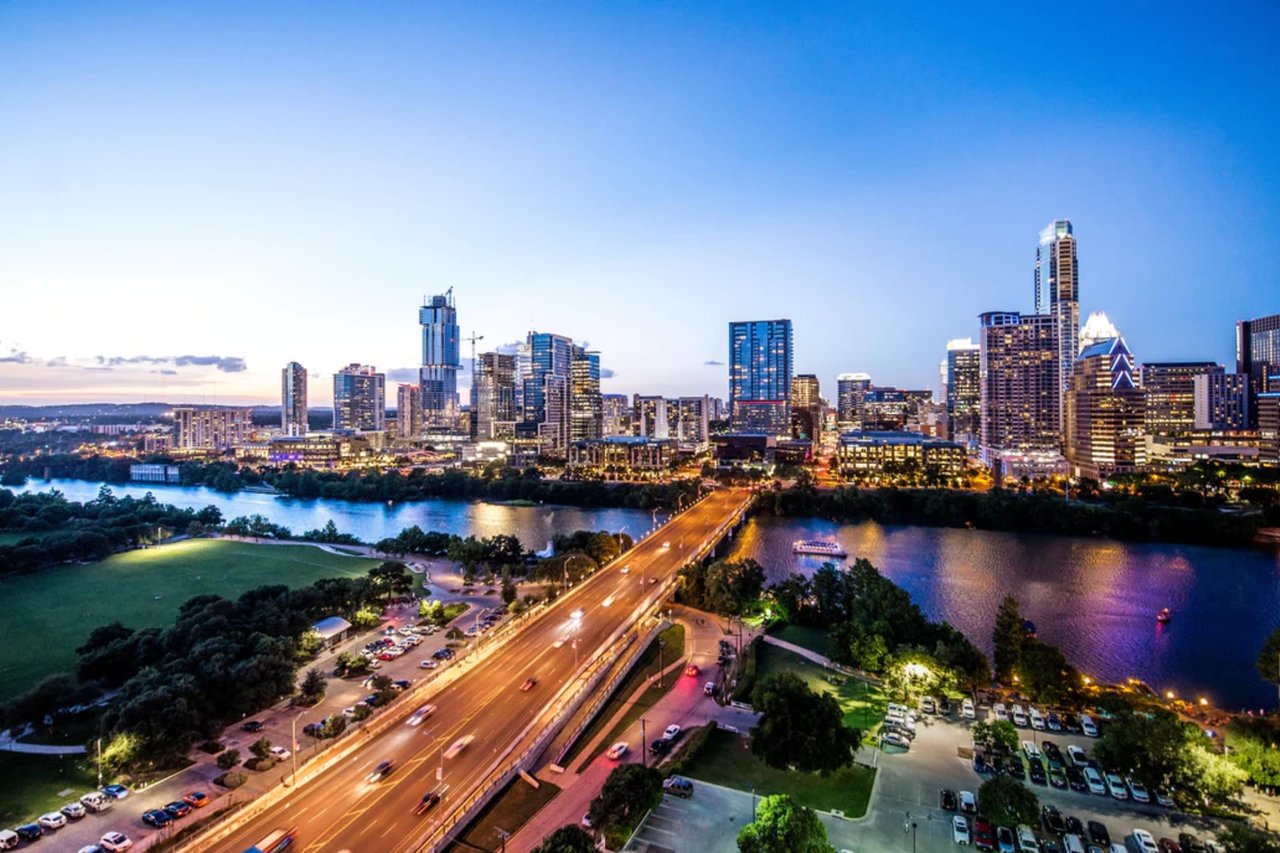
Downtown Austin For Urban Living
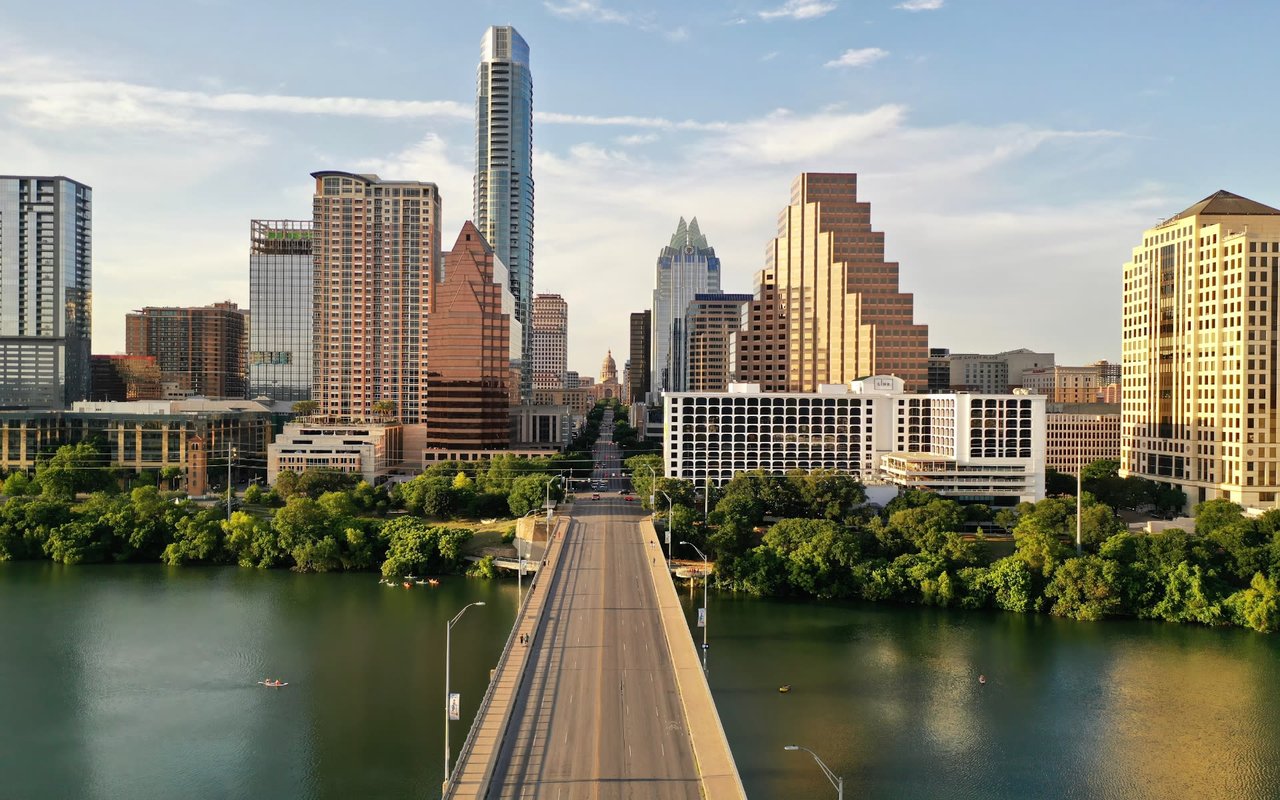
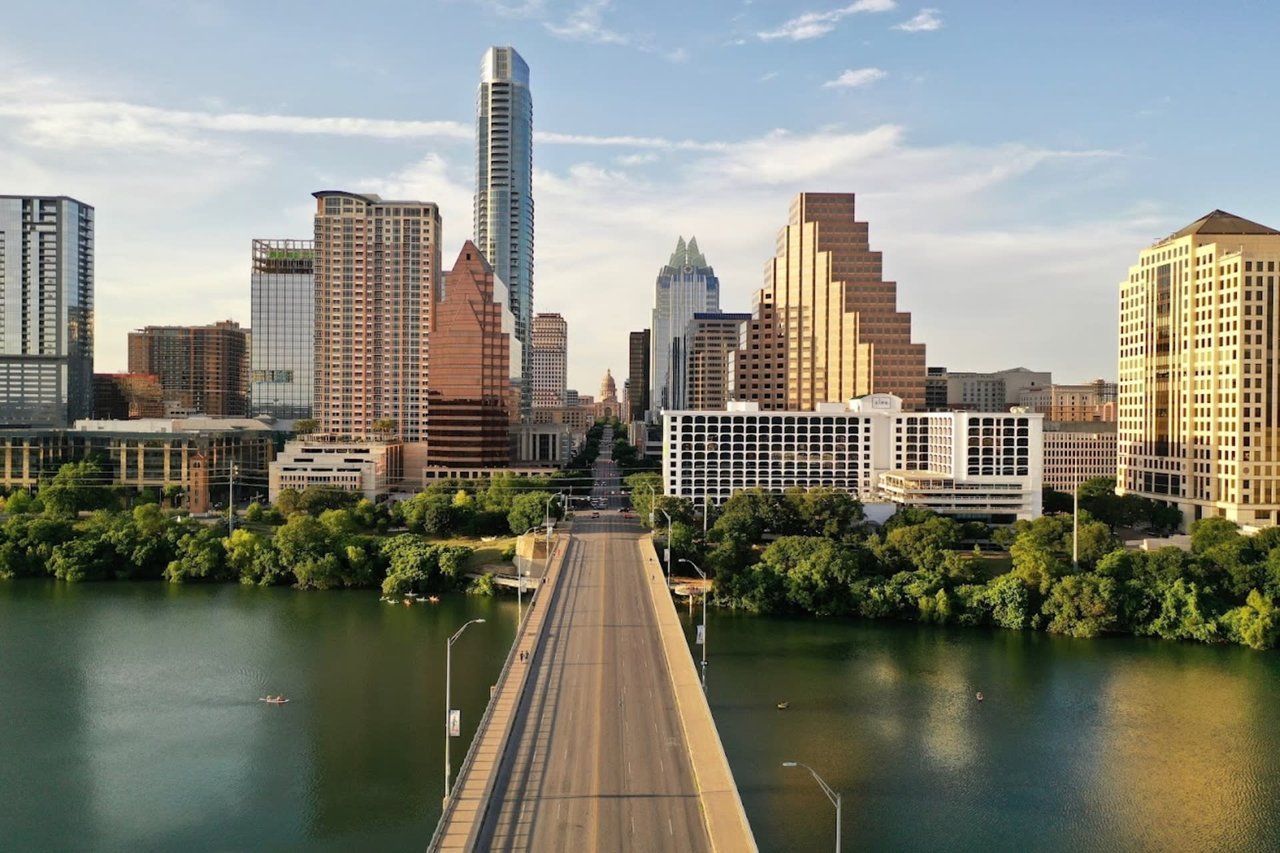
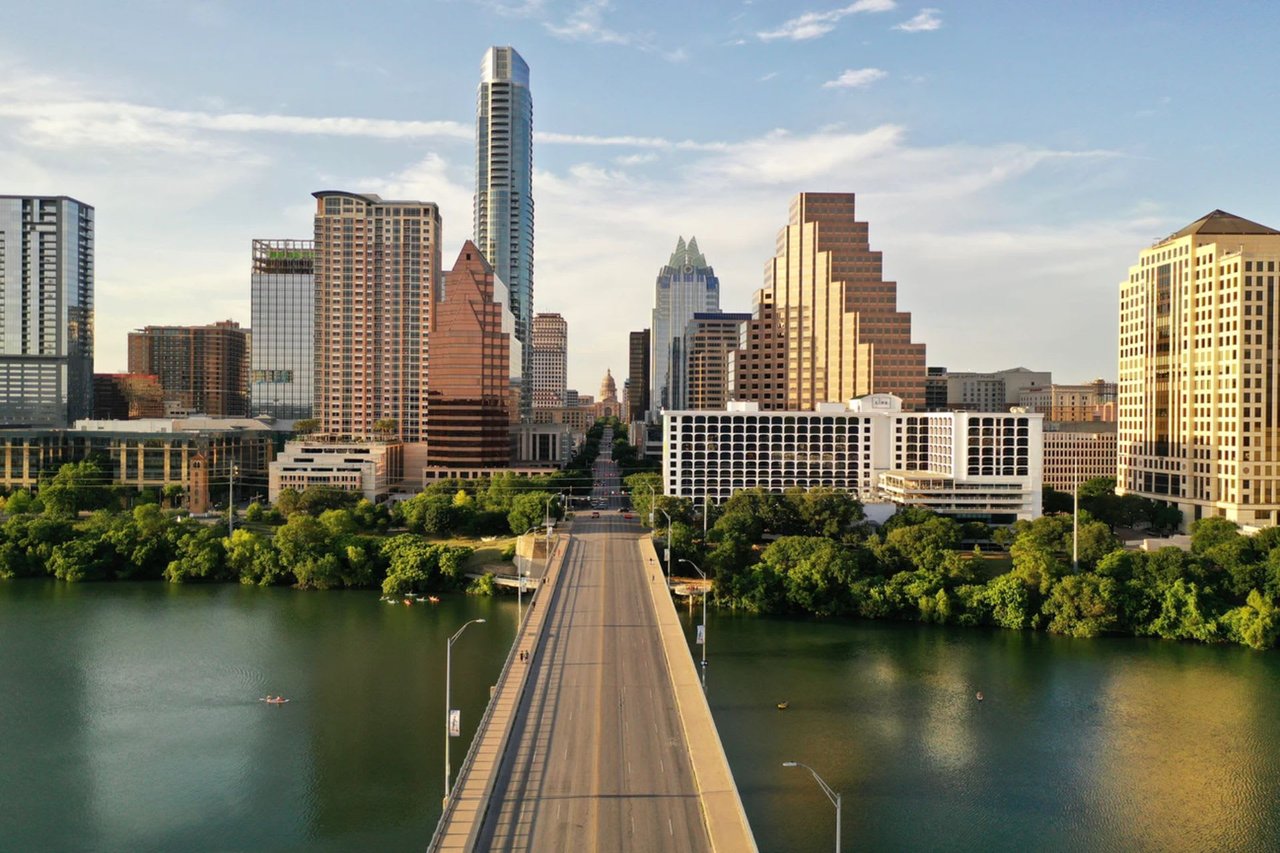
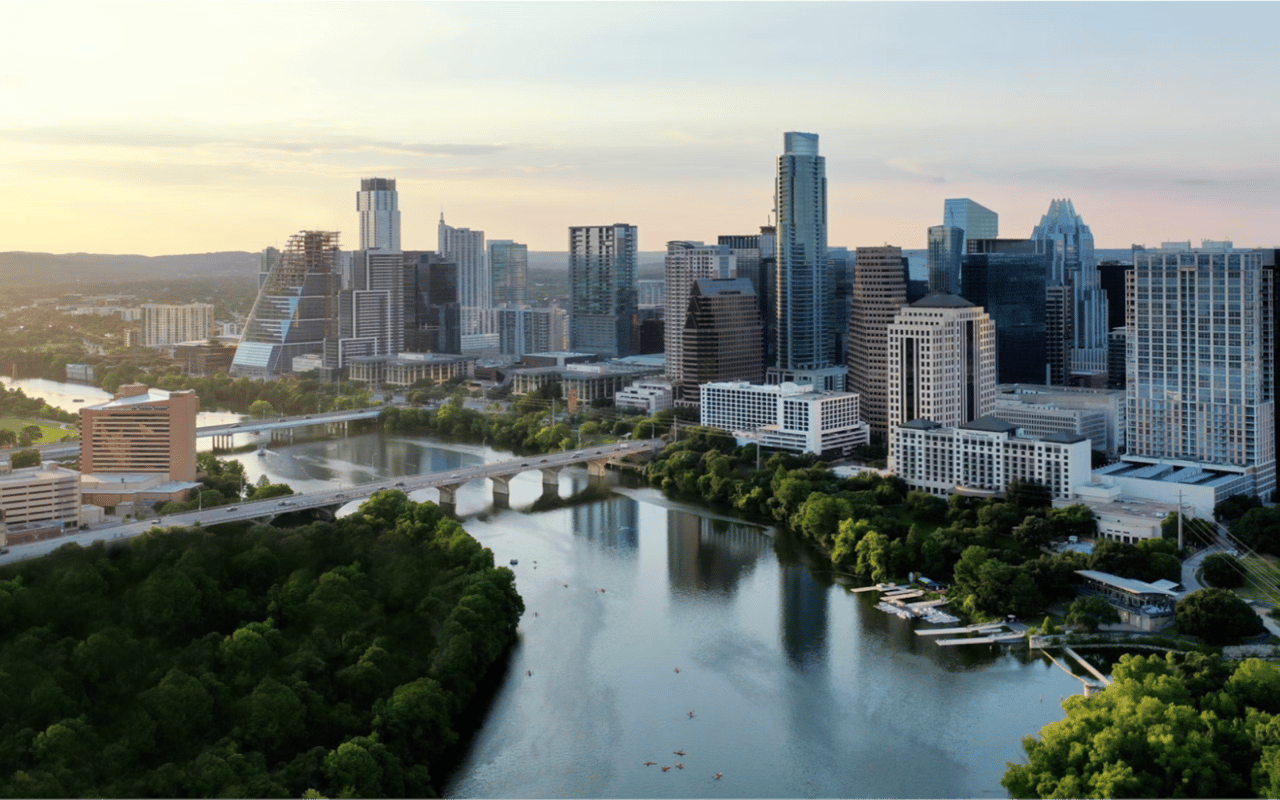
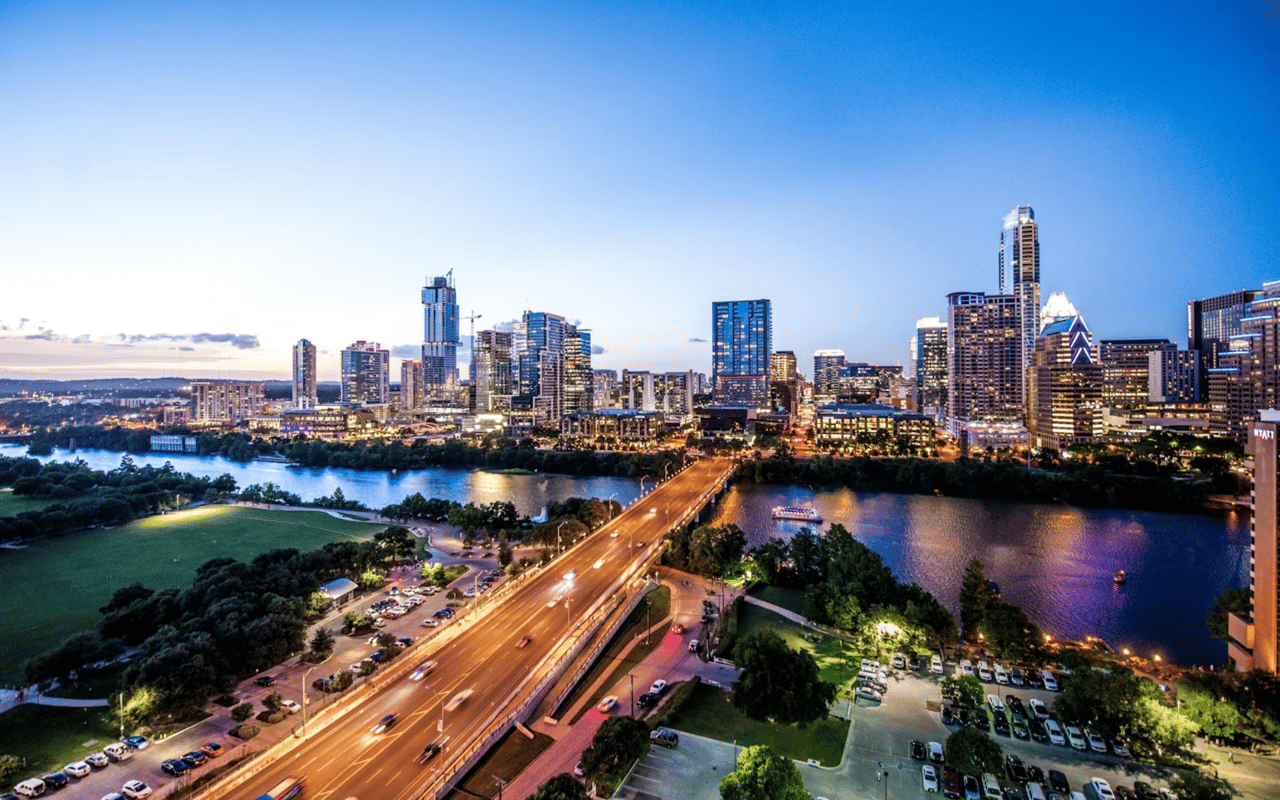
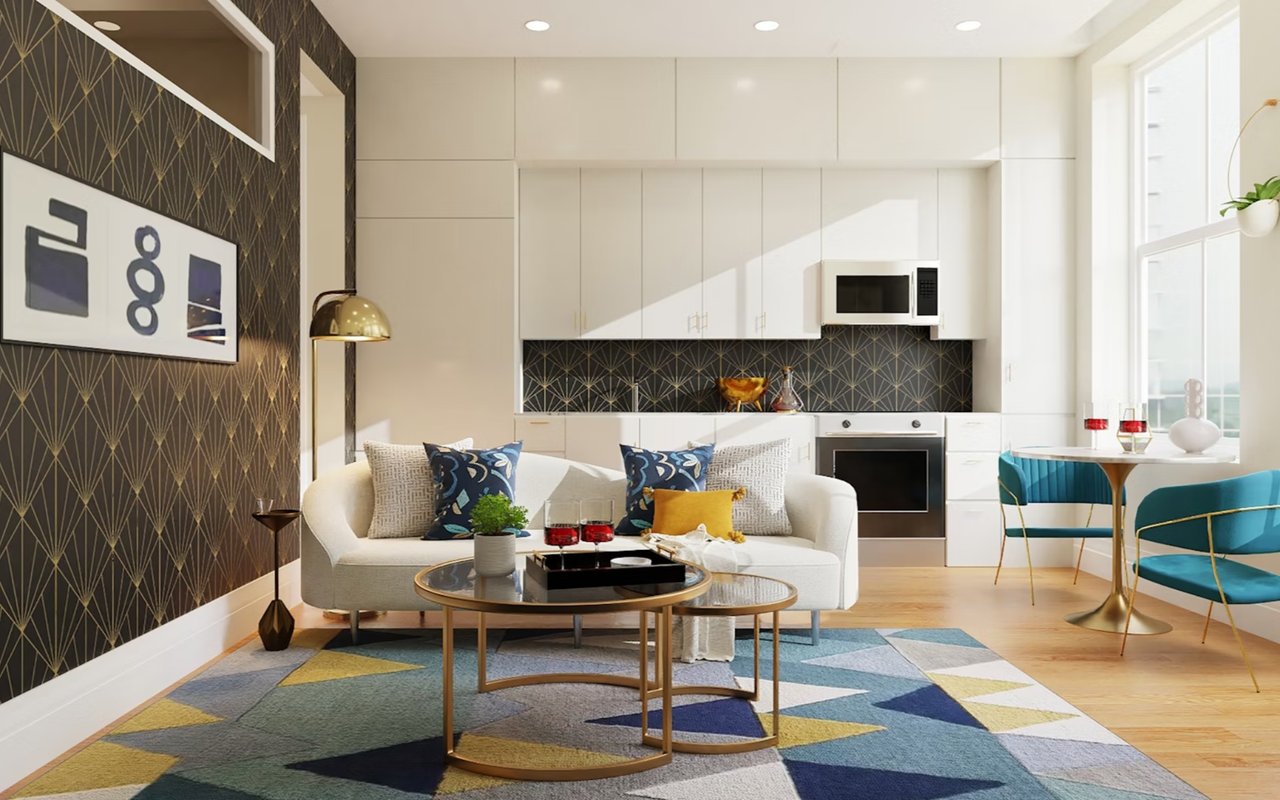
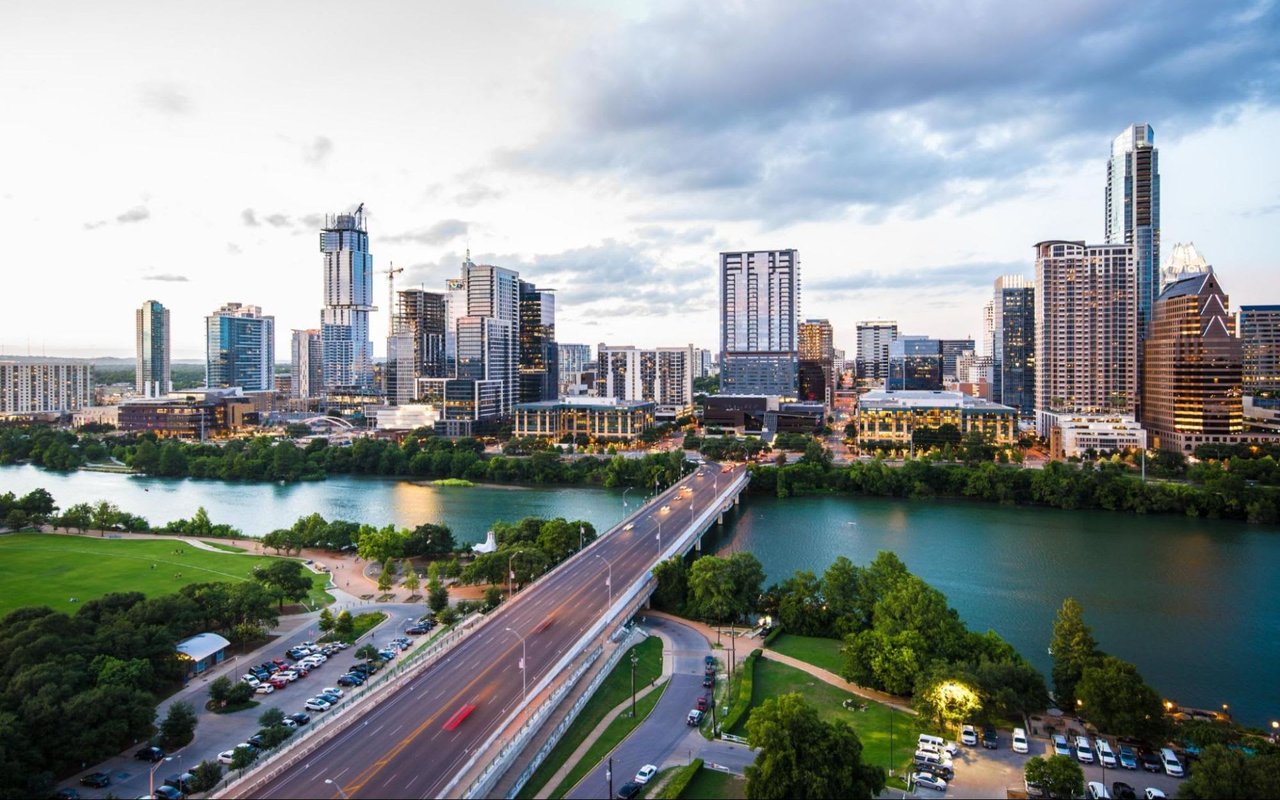
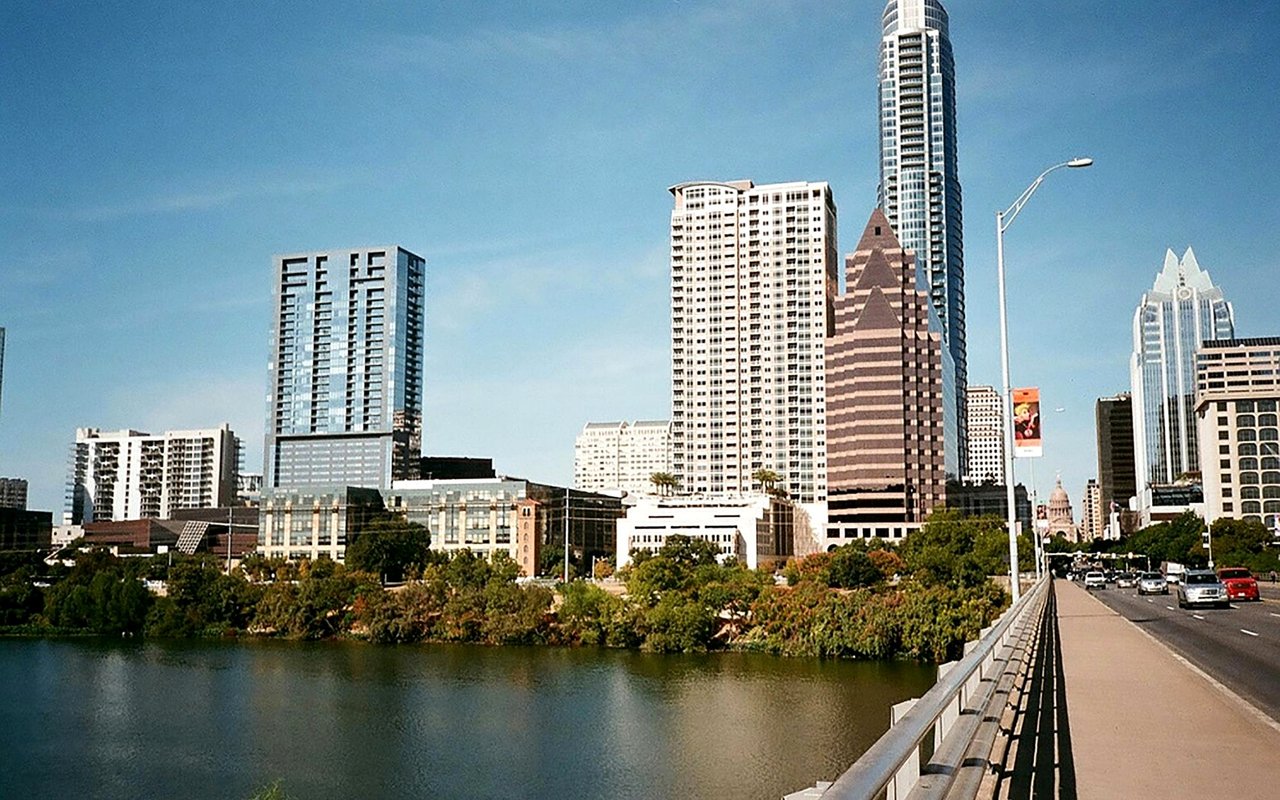
Downtown Austin is the clearest fit if you want the most urban experience in 78701. The city’s downtown plan emphasizes dense and livable development, an interconnected street and trail network, a multimodal transportation system, and a strong day-and-night environment.
The Great Streets Program also places pedestrians first, then transit, then bicycling, with automobiles last. For you, that can translate into a shorter commute, easier access to daily amenities, and a lock-and-leave routine that appeals to many buyers considering downtown high-rises and central residences.
Best Fit For Downtown
Downtown may be the right fit if you want:
- Car-light living
- The shortest possible commute into the urban core
- A dense, walkable setting
- A lock-and-leave home base
- Strong access to trails, streetscapes, and city amenities
Tarrytown For Quiet Close-In Living
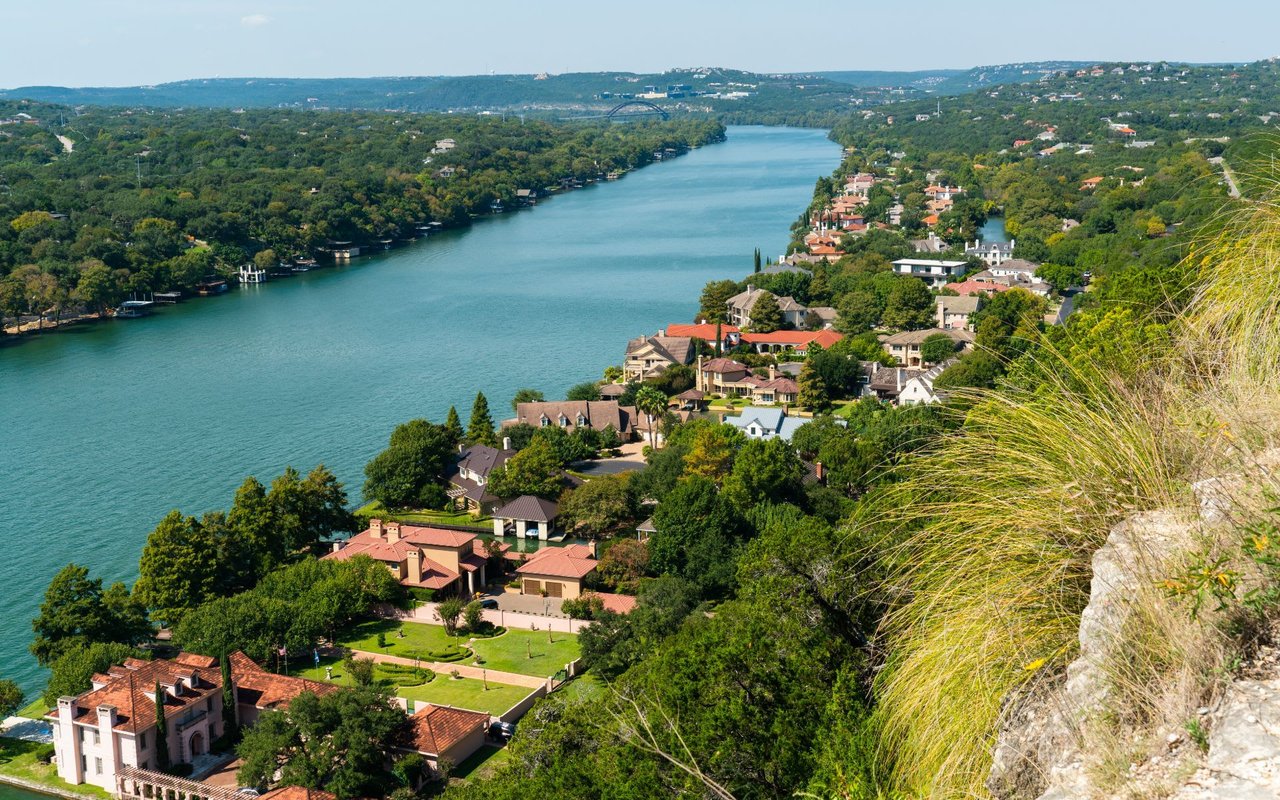
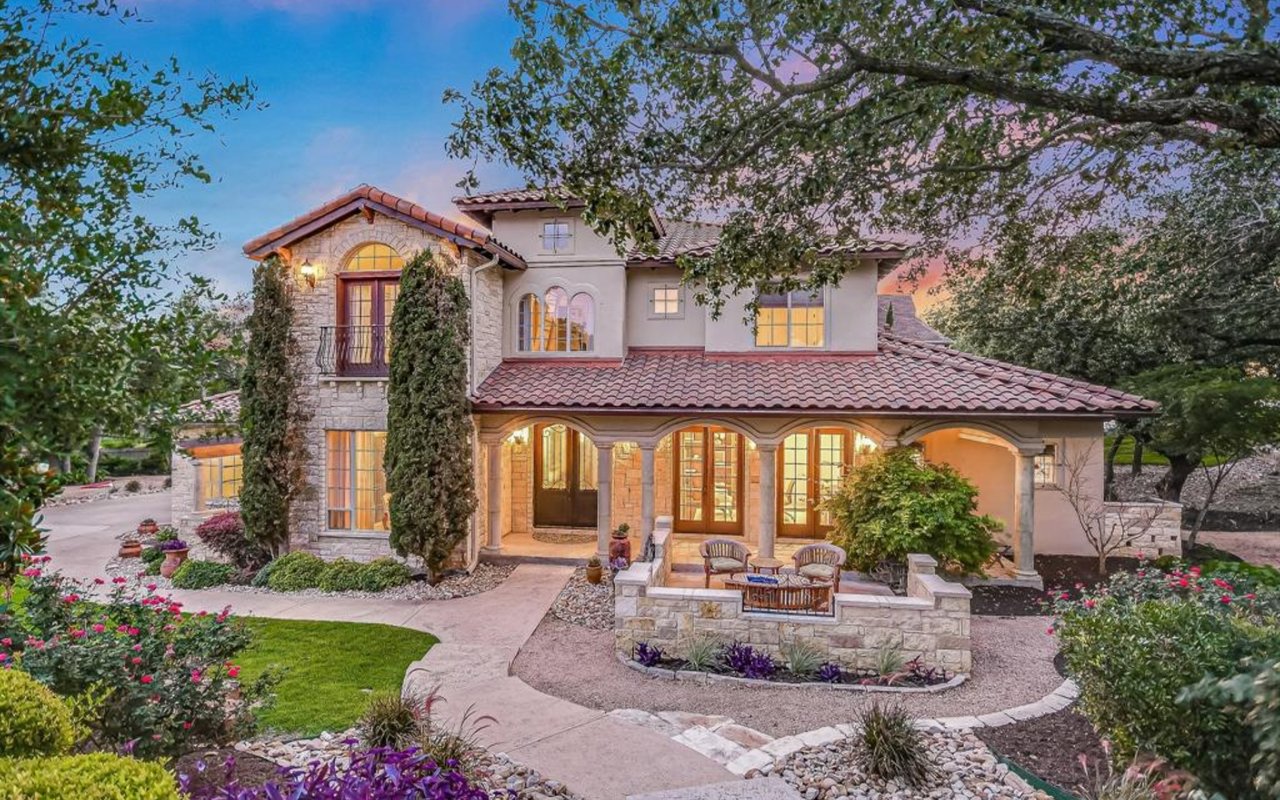
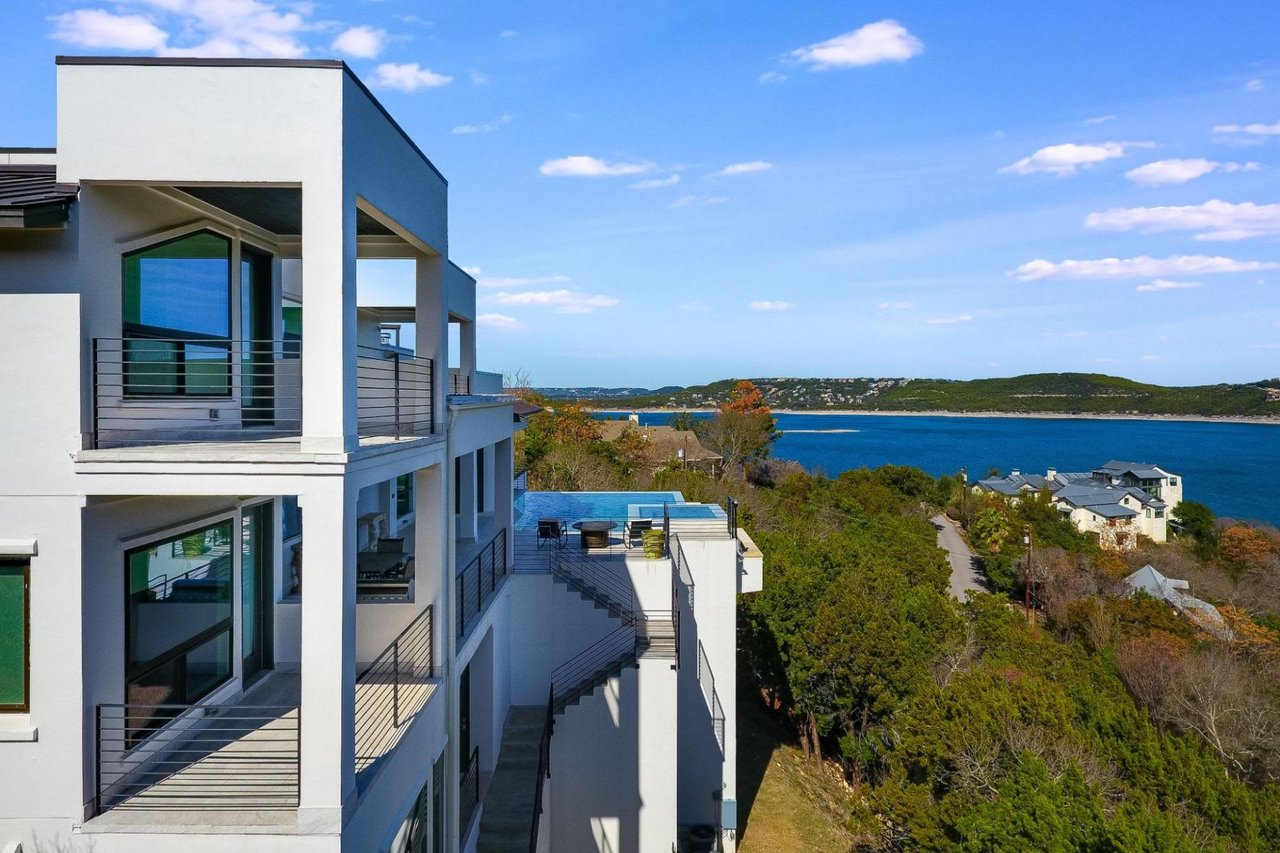
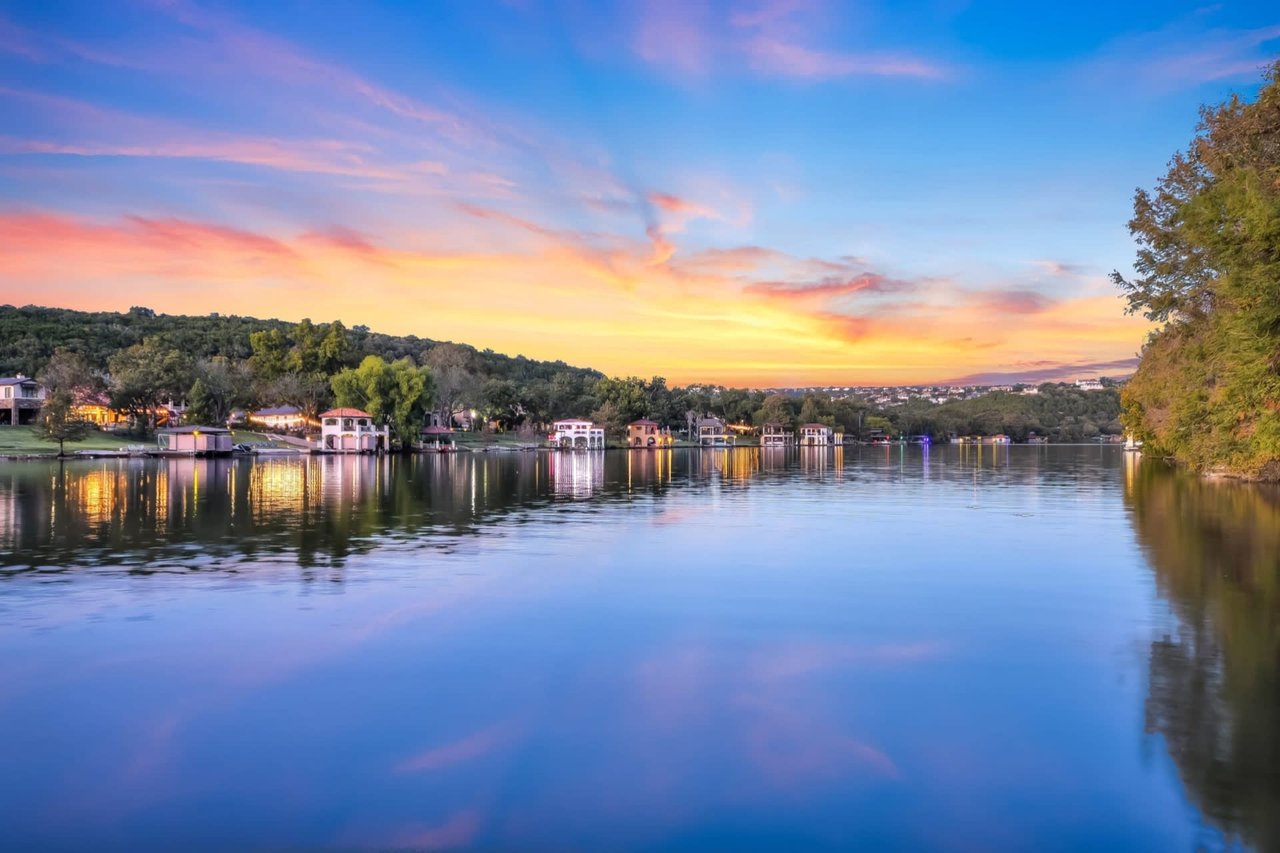
Tarrytown offers a very different rhythm from downtown, even though it remains close to both UT and the city core. Situated between Lake Austin and MoPac and bordered by Lake Austin Boulevard and 35th Street, it is known for large trees, maintained lawns and gardens, and a mix of older homes, estates, and bungalows.
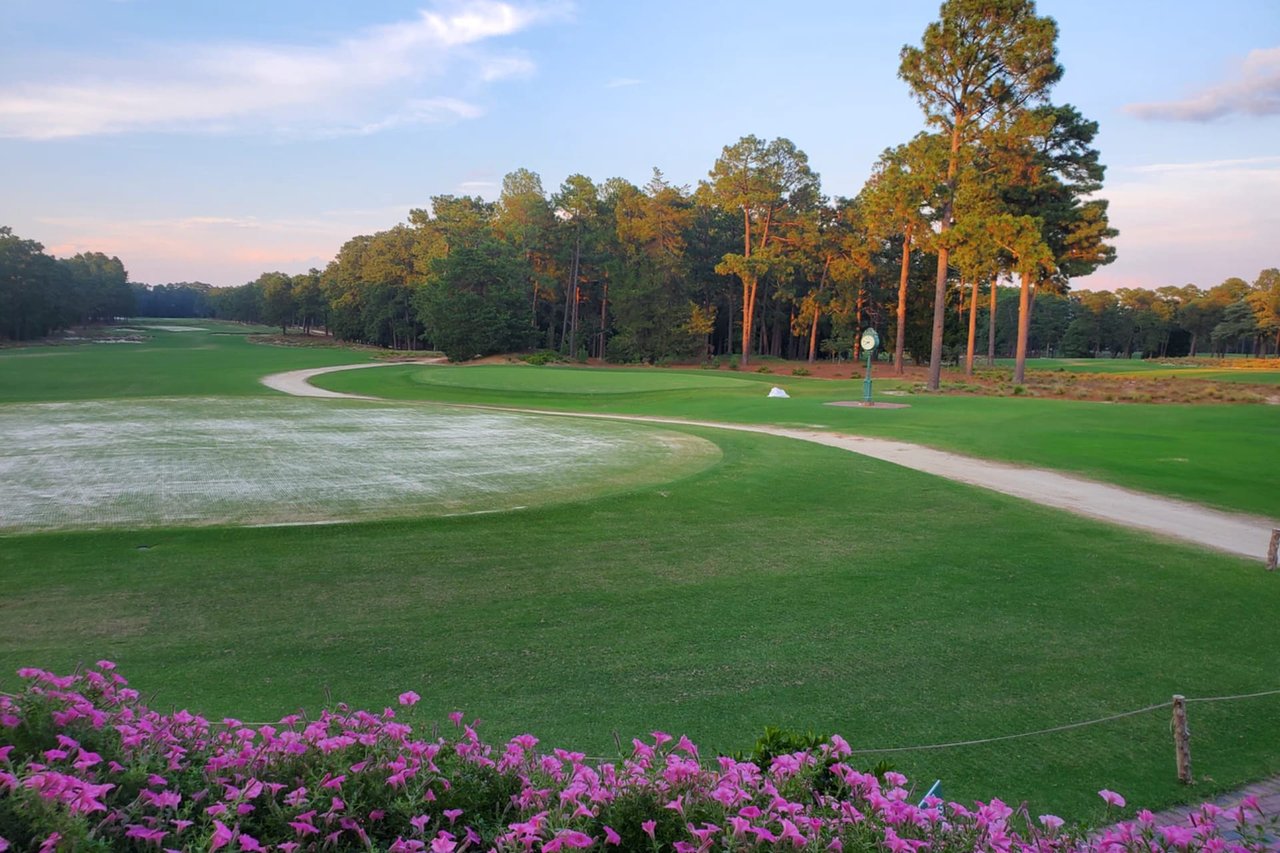
It also stands out for recreation. Lake Austin, Lady Bird Lake, Lions Municipal Golf Course, Westenfield Park, Reed Park, Mayfield Park, and Laguna Gloria are all nearby or part of the neighborhood’s broader orbit. If you want a quieter residential environment without giving up close-in access, Tarrytown deserves a serious look.
Best Fit For Tarrytown
Tarrytown may suit you if you value:
- Established residential streets
- Mature trees and landscaping
- Access to parks and outdoor recreation
- A quieter feel near central Austin
- A close-in location without full urban intensity
Old West Austin And Clarksville For History And Identity
Old West Austin is one of Austin’s oldest neighborhoods, located west of Lamar, east of MoPac, north of Town Lake, and south of Enfield. The city describes it as a largely residential area with many homes that are more than 100 years old, along with neighborhood-oriented commercial corridors on Lamar, 5th, 6th, and West Lynn.
Its planning priorities include pedestrian safety, bicycle connectivity, parks, greenspace, and preservation of older buildings. If you are drawn to older homes and a neighborhood with a strong sense of continuity, Old West Austin can offer that balance of central access and established character.
Clarksville is part of that larger west-end area, but it has its own distinct history and should not be treated as interchangeable with all of Old West Austin. Founded in 1871 as a freedom colony by Charles Clark, Clarksville has deep cultural roots and remains closely connected to preservation, community programming, and affordable housing efforts.
Best Fit For Old West Austin
Old West Austin may be right for you if you want:
- One of Austin’s oldest residential areas
- Historic homes and older buildings
- Walkable access to local commercial corridors
- Strong neighborhood identity
- Close proximity to downtown with a residential core
Best Fit For Clarksville
Clarksville may be a stronger fit if you value:
- Deep cultural and historic significance
- A preservation-minded ownership experience
- A close-in location with a strong sense of place
- A neighborhood where history is part of daily life
Pemberton Heights For Established Prestige
Pemberton Heights is one of the most established close-in residential options in central Austin. Located in the Old West Austin National Register Historic District, it sits less than two miles from UT, the Capitol complex, downtown, and the medical center area.
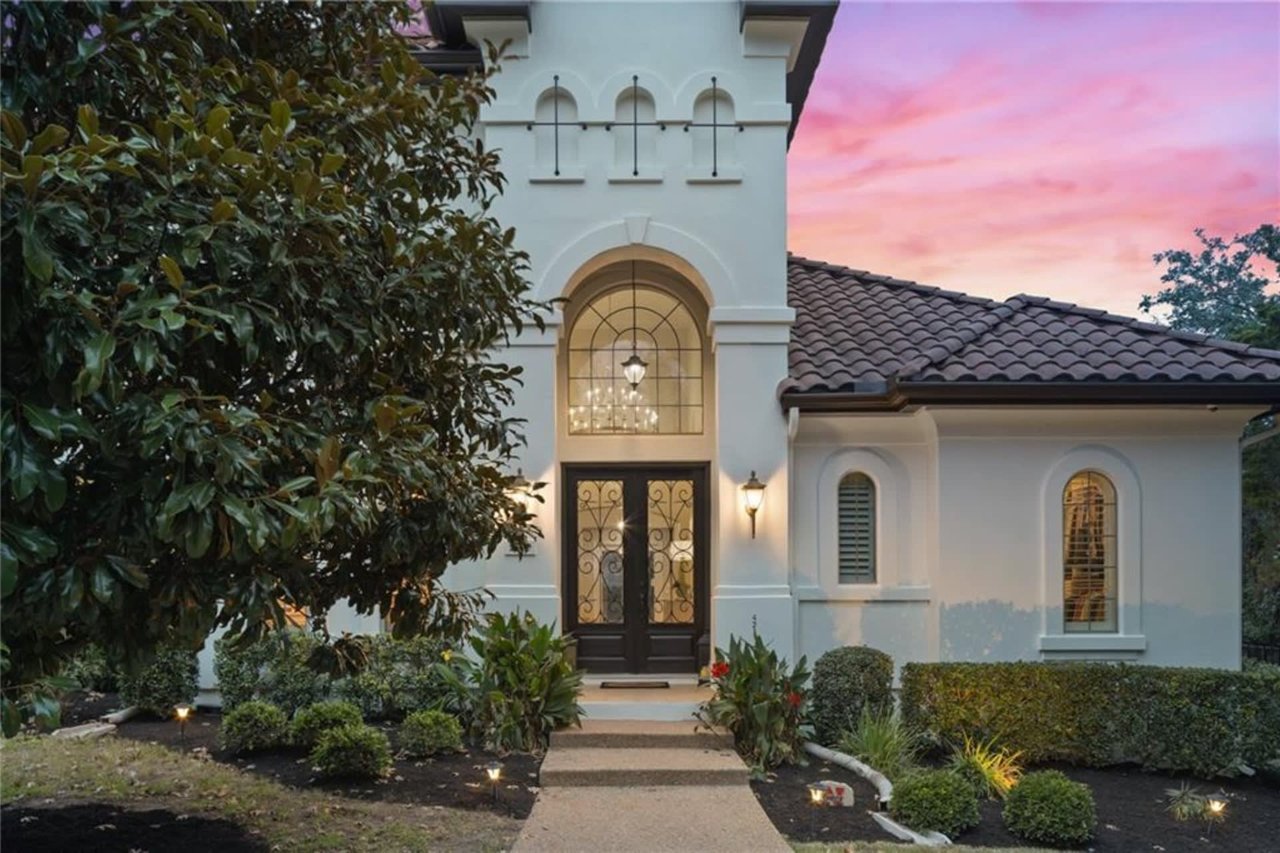
Its housing mix ranges from cottages to grand estates, and the architectural variety is a major part of its appeal. You will find styles such as Tudor Revival, Colonial Revival, Classical Revival, Spanish Colonial Revival, Italian Renaissance Revival, Craftsman, and Prairie School, along with heritage trees, trails, parks, and community events.
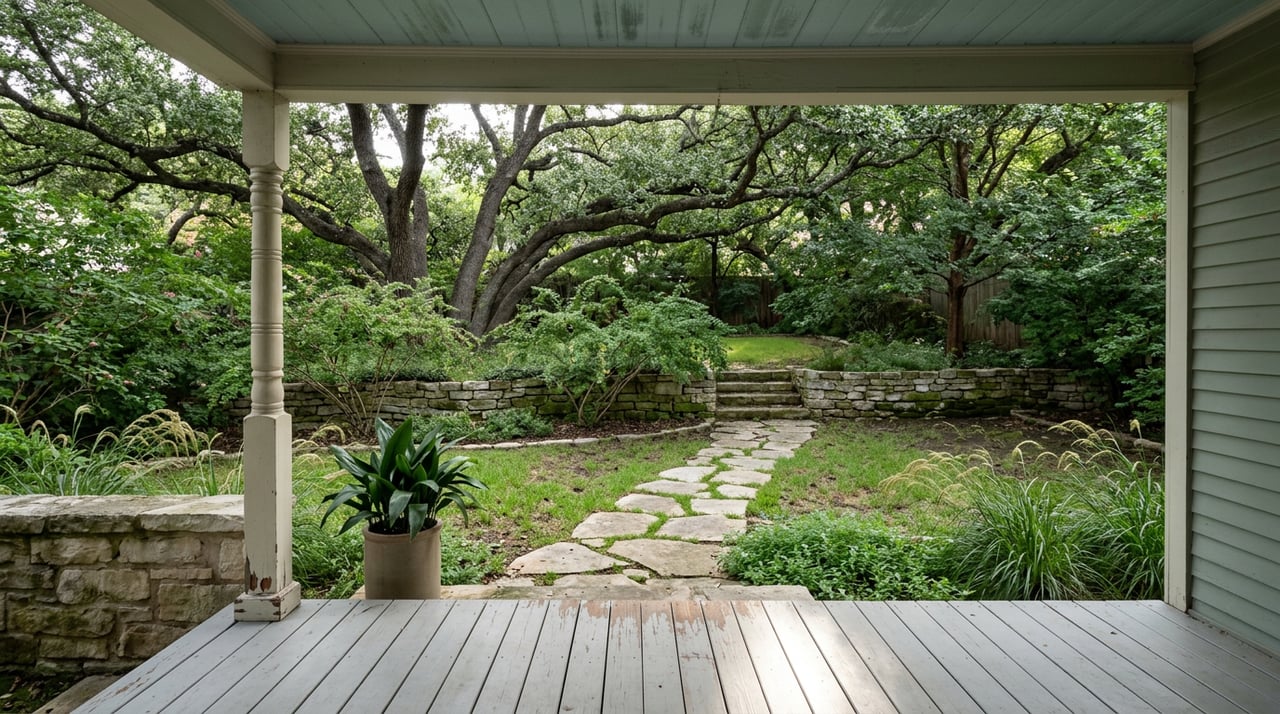
For buyers looking for a tree-canopied setting with strong access to central Austin destinations, Pemberton Heights offers a refined residential environment. It is especially relevant if architectural character and close-in convenience both matter to you.
Bryker Woods For Smaller-Scale Central Access
Bryker Woods is an older central-city neighborhood that remains predominantly residential. It is known for modest-scale homes, mature trees, and access to Shoal Creek along its eastern edge.
The neighborhood association highlights walking, bicycling, direct bus routes to UT and downtown, and nearby retail along the 35th Street corridor. At the same time, it notes traffic and redevelopment pressure as recurring concerns, which is important if you are comparing quieter neighborhood settings in central Austin.
Best Fit For Bryker Woods
Bryker Woods may work well for you if you prefer:
- A neighborhood-scale setting
- Smaller homes in a central location
- Mature trees and trail access
- Connectivity to UT and downtown
- A largely residential environment near daily conveniences
West Campus And UT-Adjacent Areas For Convenience
If your priority is density, walkability, and direct proximity to UT, the West Campus and UT-adjacent core deserve attention. The University Neighborhood Overlay was created to support high-density redevelopment while keeping West Campus livable and pedestrian-friendly.
The city also describes West University, North University, and Hancock as dense, walkable, urban neighborhoods with many homes built by the mid-1930s. Many residences are within walking distance of restaurants, shops, grocery stores, offices, transit, and campus-related destinations.
Best Fit For West Campus And Nearby Areas
These areas may be right for you if you want:
- A highly urban daily routine
- Strong proximity to UT
- Walkability to amenities and transit
- A more mixed housing landscape
- Convenience over larger lots and lower density
Hyde Park For Historic Central Charm
Hyde Park is one of central Austin’s best-known historic neighborhoods, located just north of UT. The city’s historic district documentation notes that it was platted in 1891, first marketed as an affluent suburb, and connected to downtown by streetcar.
Today, Hyde Park is known for bungalows, Queen Anne and Classical Revival houses, and a largely residential fabric with notable civic anchors like the Hyde Park Fire Station, a moonlight tower, churches, and a historic grocery store. Buyers who want established streets and historic charm with central access often put Hyde Park high on the list.
The Hyde Park Neighborhood Association also notes area-serving public schools and advises buyers to verify school assignment by address through AISD. If school assignment is part of your move, it is wise to confirm the current attendance boundary early in your search.
Historic District Rules Matter
In central Austin, historic designation is not just a label. It can affect what ownership looks like after closing. The city states that local historic districts offer the strongest protection and require approval of exterior changes, while properties in National Register historic districts are subject to advisory review.
If you are considering Hyde Park, Pemberton Heights, Old West Austin, Clarksville, or another preservation-rich area, this is an important part of due diligence. A home’s contributing status and any review requirements may shape renovation plans, exterior updates, or future additions.
Traffic, Parking, And Change
Lifestyle fit also depends on how much street activity and neighborhood change you are comfortable with. Old West Austin’s plan specifically addresses cut-through traffic, pedestrian safety, and parking, while Bryker Woods also points to traffic and redevelopment pressure.
In other words, the best neighborhood for you is not just about architecture or price point. It is also about whether you want a quieter residential pattern, a more active urban setting, or a neighborhood where redevelopment and street activity are part of the experience.
A Simple Lifestyle Short List
If you want a quick way to narrow the field, this framework can help:
- Downtown / 78701 for car-light living, the shortest commute, and the strongest urban amenity mix
- Tarrytown, Pemberton Heights, and Bryker Woods for established streets, mature trees, and close-in access without full urban intensity
- Clarksville, Old West Austin, and Hyde Park for history, neighborhood identity, and preservation-rich surroundings
- West Campus, North University, and Hancock for density, walkability, and a UT-adjacent lifestyle
The right choice depends on how you want your home to support your routine. In a market as nuanced as central Austin, the best move is often about matching the street, setting, and ownership experience to your lifestyle goals.
If you are weighing west or central Austin and want a more tailored point of view, the team at Kathryn Scarborough Group can help you compare neighborhoods with the local insight and discretion that close-in Austin buying often requires.
FAQs
What is the best west or central Austin neighborhood for walkability?
- Downtown Austin and the UT-adjacent areas such as West Campus, North University, and Hancock are the strongest fits if you want walkability, density, and easier access to transit and daily amenities.
Which central Austin neighborhoods have the most historic character?
- Hyde Park, Old West Austin, Clarksville, and Pemberton Heights are especially known for historic character, older homes, and preservation-focused streetscapes.
Is Tarrytown more urban or more residential?
- Tarrytown is generally a quieter, more residential neighborhood with mature trees, recreation access, and close-in convenience to downtown and UT.
What should buyers know about historic districts in central Austin?
- In central Austin, historic designation can affect exterior changes and review processes, so you should understand whether a property is in a local historic district or National Register district before planning updates.
Which Austin neighborhoods are best near UT for convenience?
- West Campus and nearby areas such as West University, North University, and Hancock are especially well suited if you want close proximity to UT, walkability, and a more urban daily routine.
What makes Downtown Austin different from nearby neighborhoods?
- Downtown Austin is planned for dense, multimodal living with strong pedestrian access and a broad mix of amenities, while nearby neighborhoods often offer more trees, larger residential settings, or stronger historic identity.