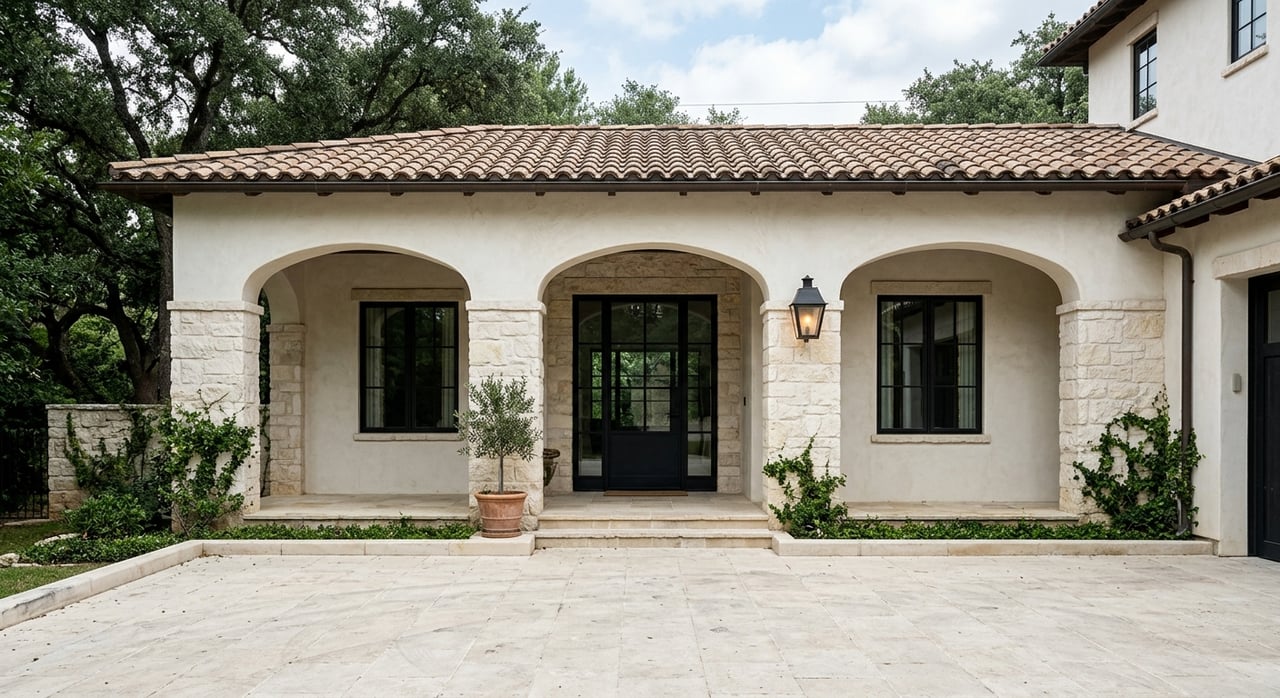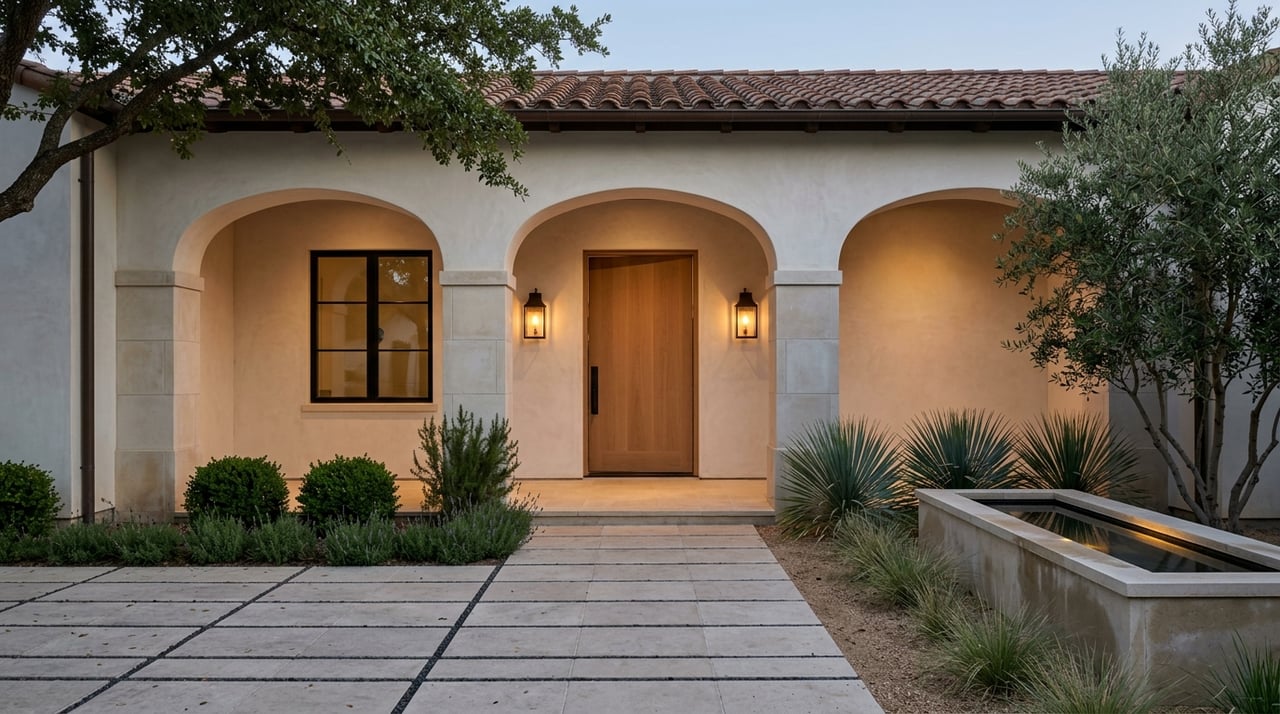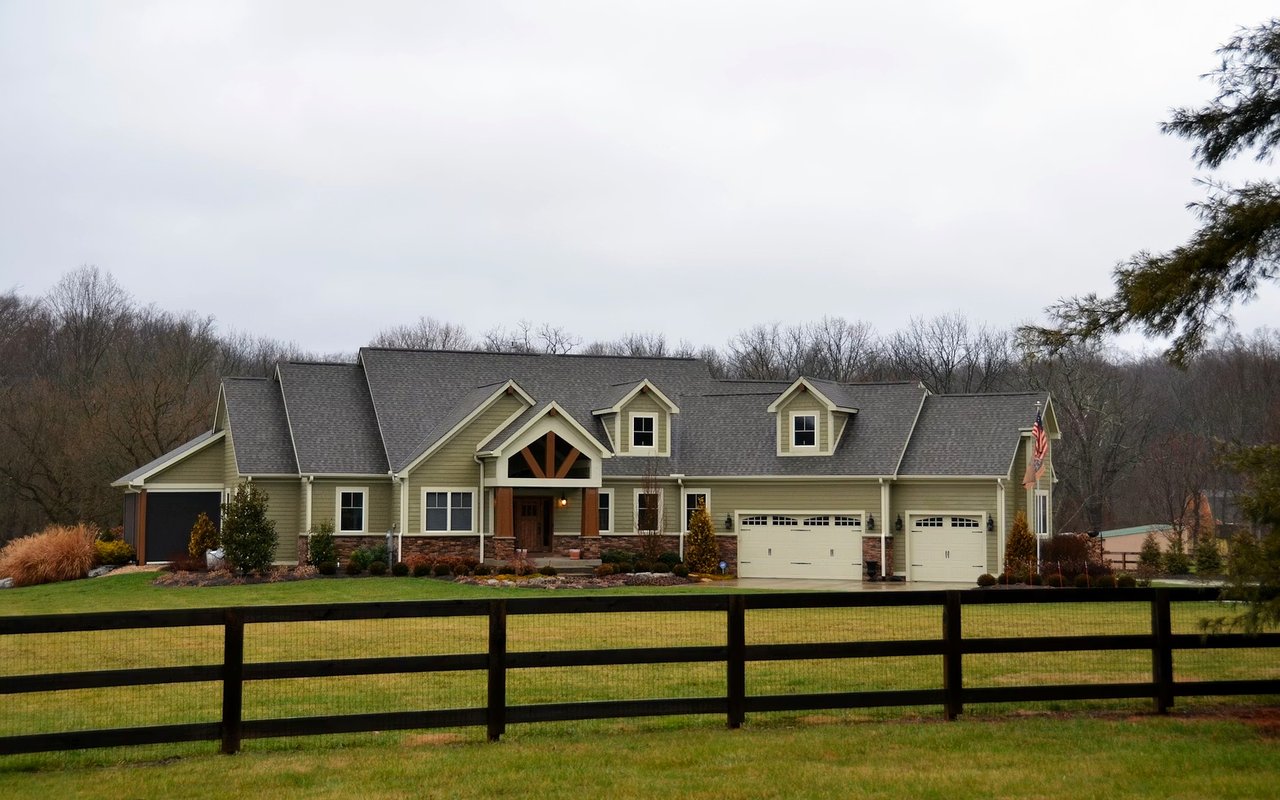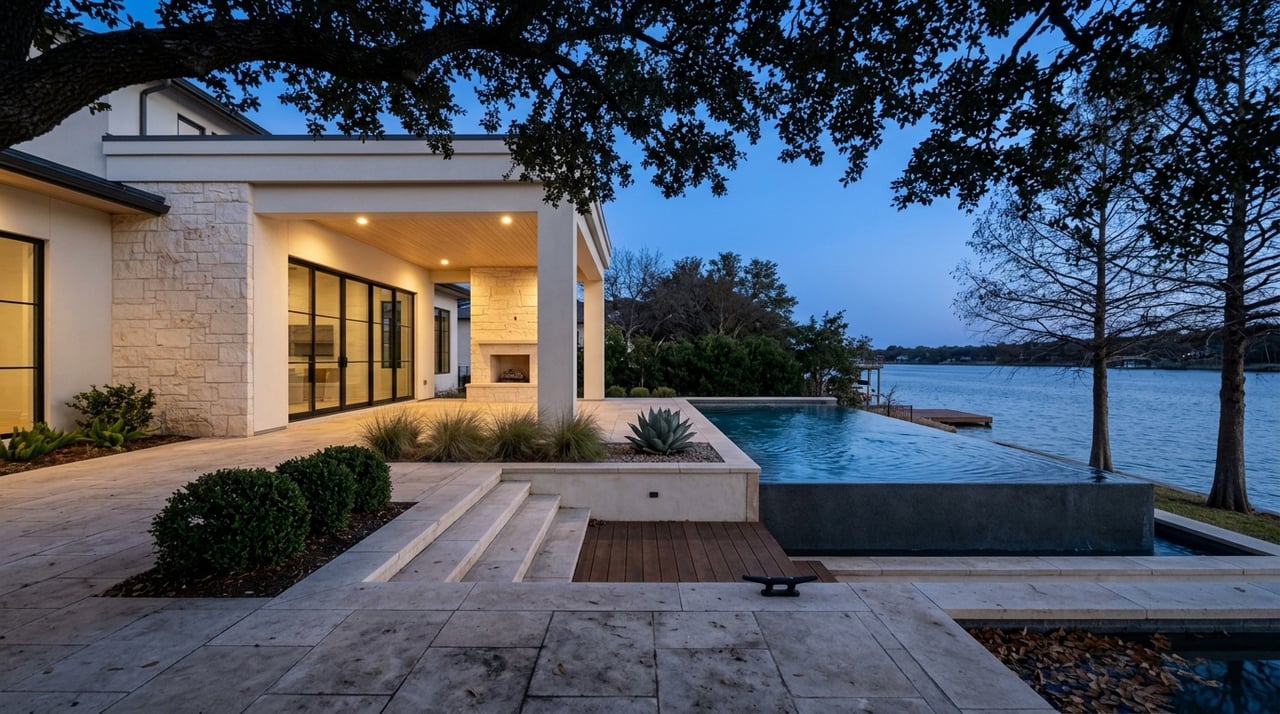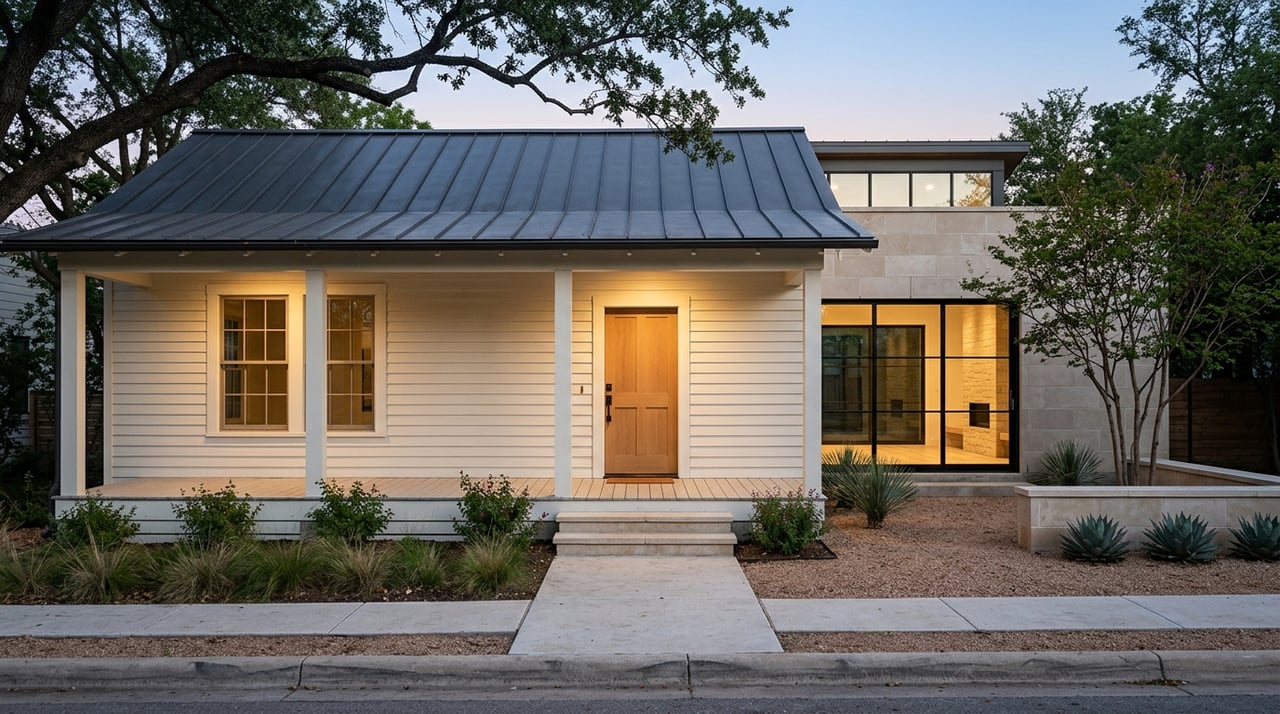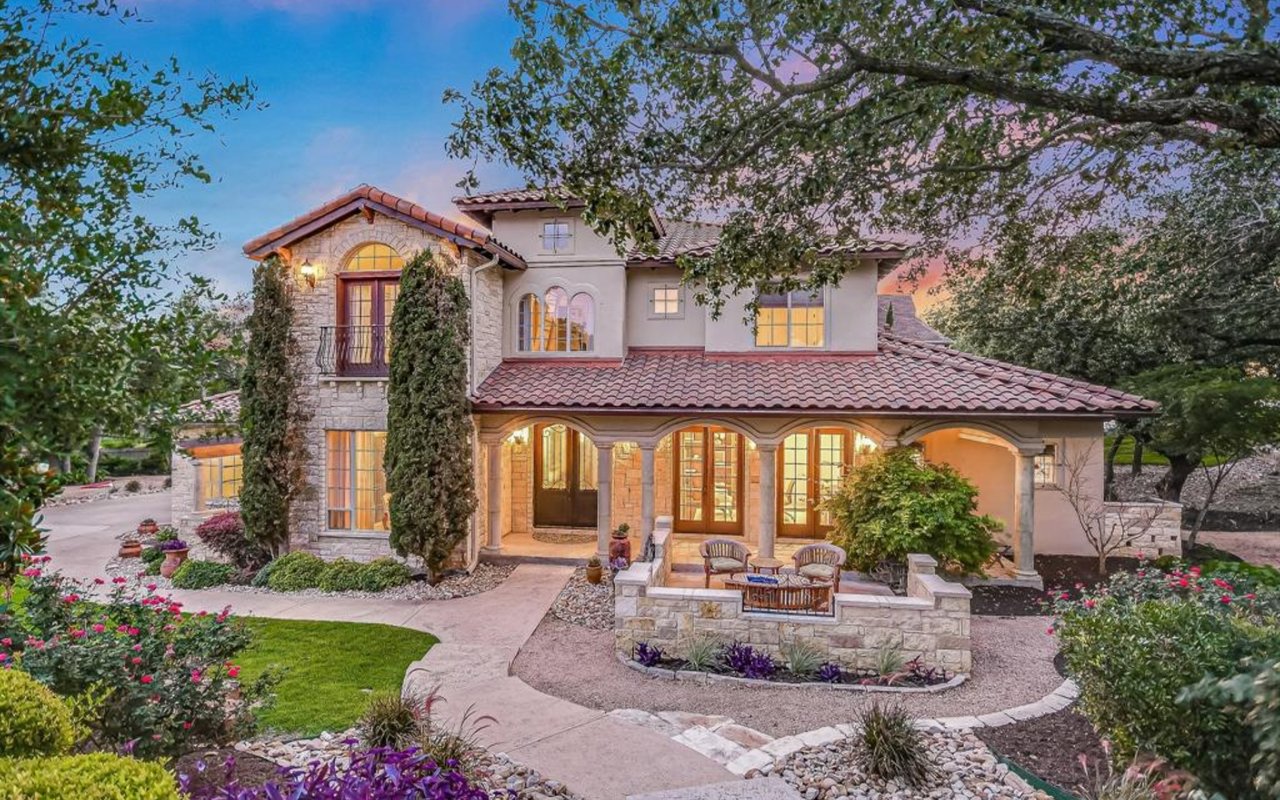
Selling a historic home in central Austin comes with a unique challenge: you want buyers to fall in love with its story, but you also need them to see how it fits modern life. In 78701, where single-family sales are limited and prices often land in a premium range, presentation matters even more because buyers have high expectations and tend to be selective. The good news is that thoughtful staging can highlight original character, calm buyer concerns, and help your home feel both timeless and move-in ready. Let’s dive in.
Why staging matters in 78701
Historic homes in 78701 sit in a rare part of the Austin market. Recent single-family trends in the ZIP code show median sale prices around $3.5 million to $5.0 million in late 2025 and early 2026, while only a small number of homes trade each month. That combination means each listing has to make a strong first impression.
At the city level, buyers are still active, but they are careful. Unlock MLS reported a June 2026 City of Austin median residential price of $605,000 and an average close-to-list ratio of 94.5%, which suggests buyers are engaged but paying close attention to value and condition. In a premium historic segment, staging helps your home compete on both emotion and polish.
Historic character can support value, but charm alone is not enough. The City of Austin notes that values in historic districts continue to rise, though at a slightly lower rate than surrounding areas. For you as a seller, that means your home should feel well cared for, current, and easy for a buyer to understand from the moment they walk in.
What staging really does
Staging is not about turning your home into something it is not. It is about editing, styling, and arranging the home so buyers can clearly see the space, the light, and the architecture. That matters because buyers often struggle to picture how an older home lives day to day.
National staging data supports that point. In NAR’s 2025 survey, 83% of buyers’ agents said staging made it easier for buyers to visualize the home as their future residence, and 49% of sellers’ agents said staging reduced time on market. In a high-value, lower-volume area like central Austin, that kind of clarity can make a real difference.
Start by honoring the architecture
The best staging plan for a historic Austin home starts with restraint. Your goal is not to disguise age or layer on a fake historic look. Instead, you want to frame the original architecture so buyers notice the details that make the home special.
Austin’s historic design standards emphasize keeping original features visible and preserving character-defining elements. That includes original windows, doors, porches, and trim whenever possible. It also means avoiding changes or decorative additions that make the house feel less authentic.
In practical terms, this affects how you furnish and style the home. Oversized furniture, heavy window treatments, and too many accessories can hide the proportions of a historic room. A cleaner, more tailored approach helps the architecture read clearly and keeps the home from feeling crowded.
Stage the rooms buyers notice most
If you are deciding where to focus time and budget, start with the rooms buyers care about most. According to NAR, the most commonly staged spaces are the living room, primary bedroom, dining room, and kitchen. Buyers also say the living room, primary bedroom, and kitchen are among the spaces they most want to see staged.
Living room
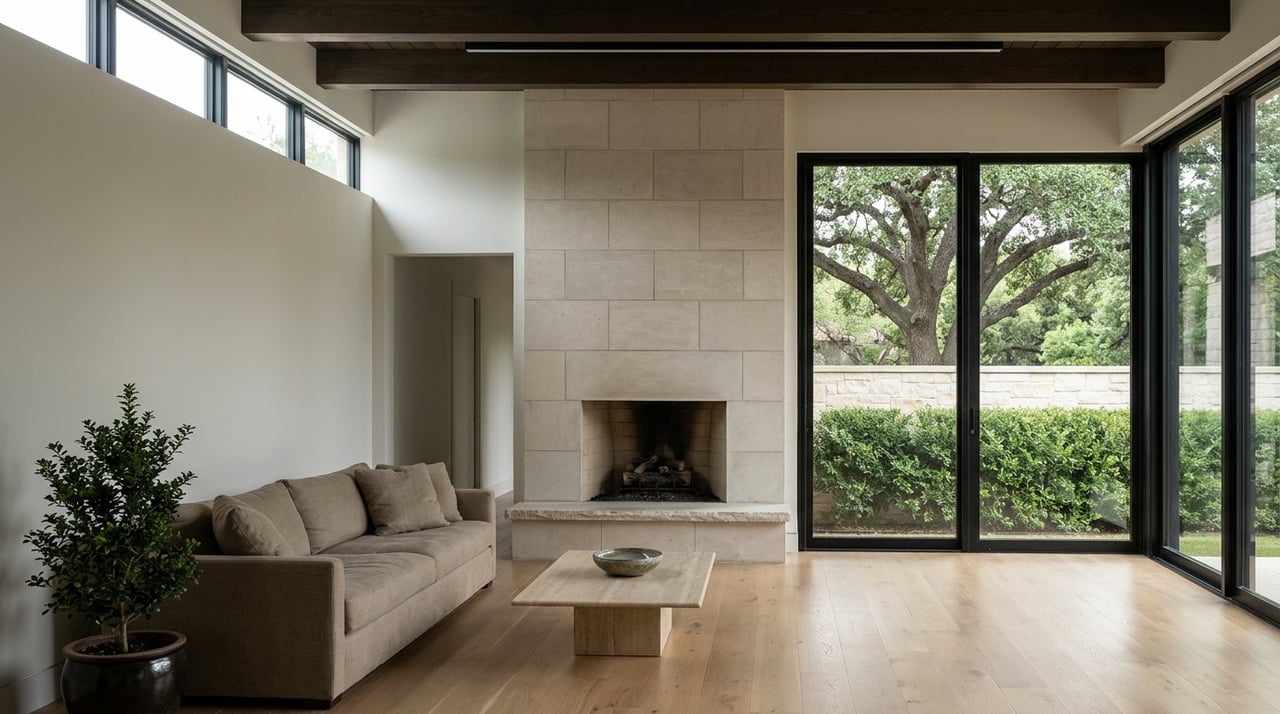
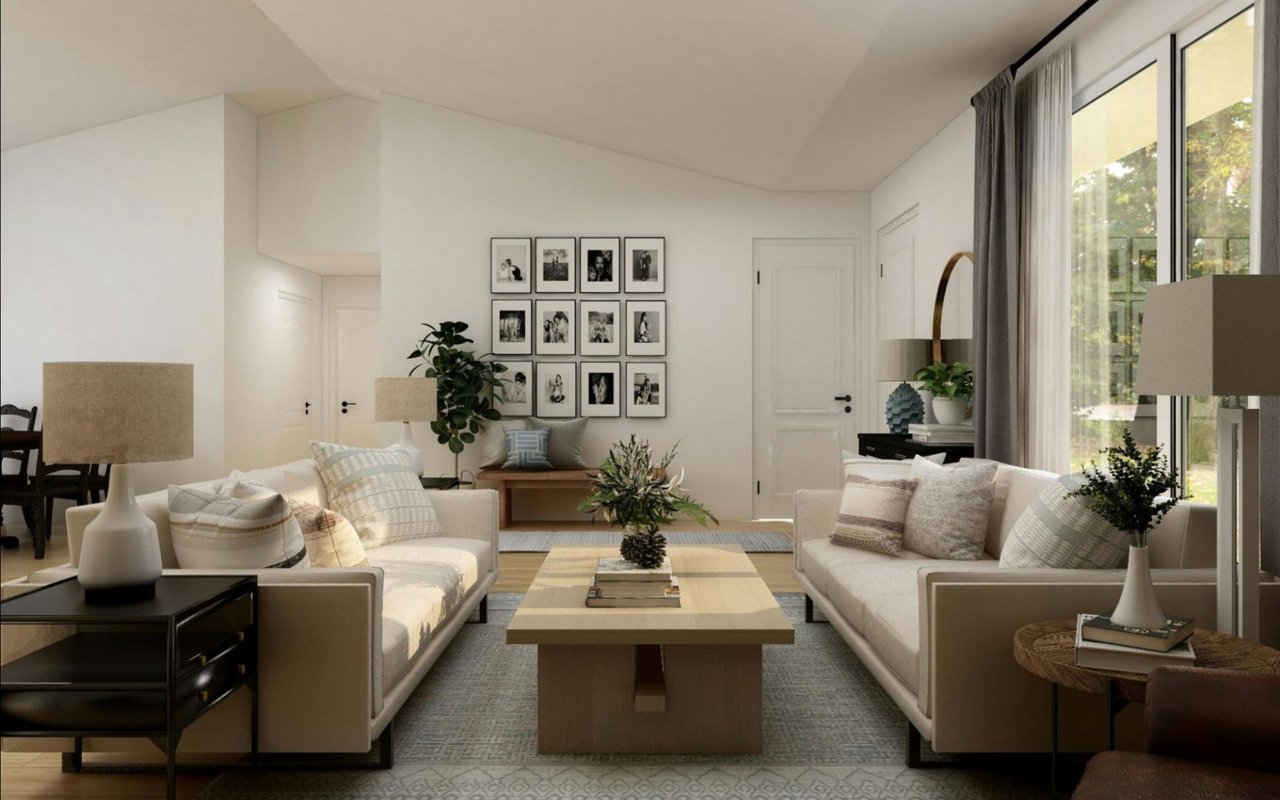
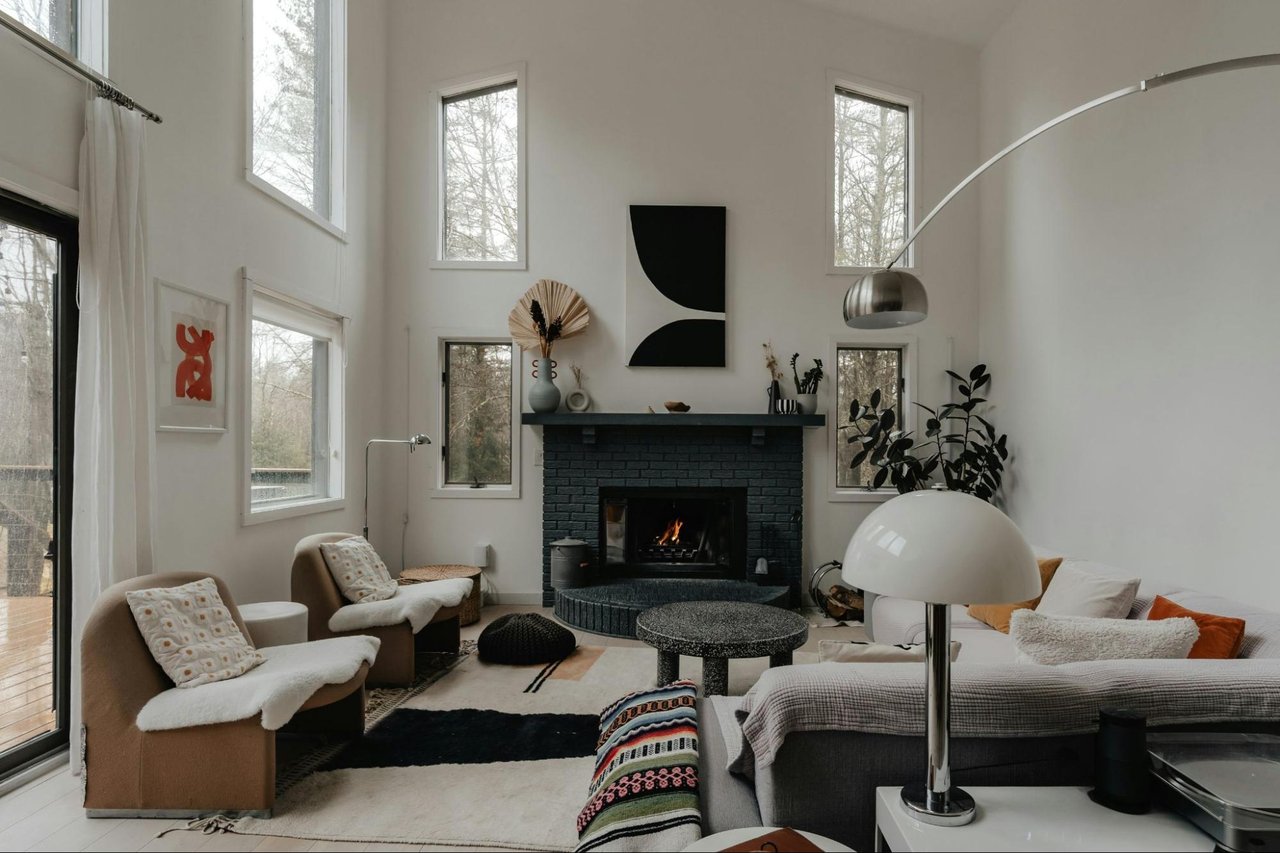
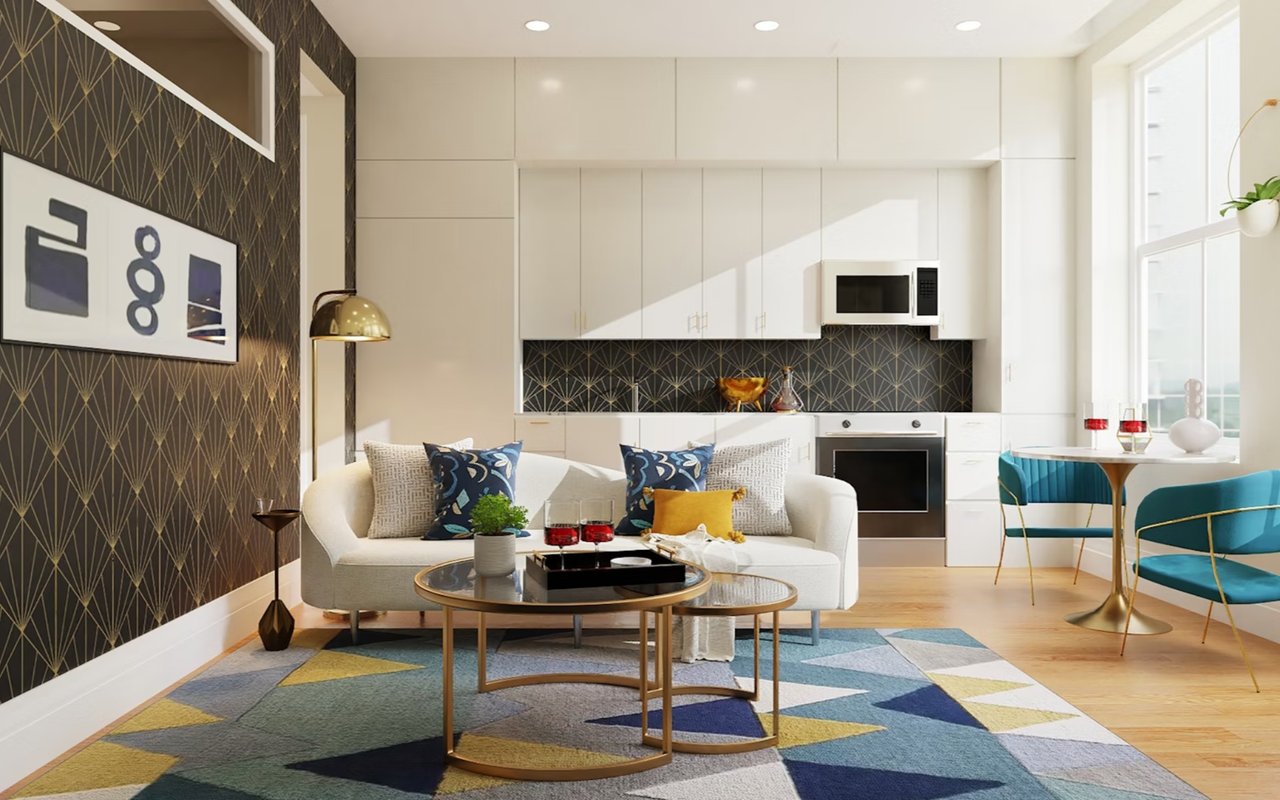
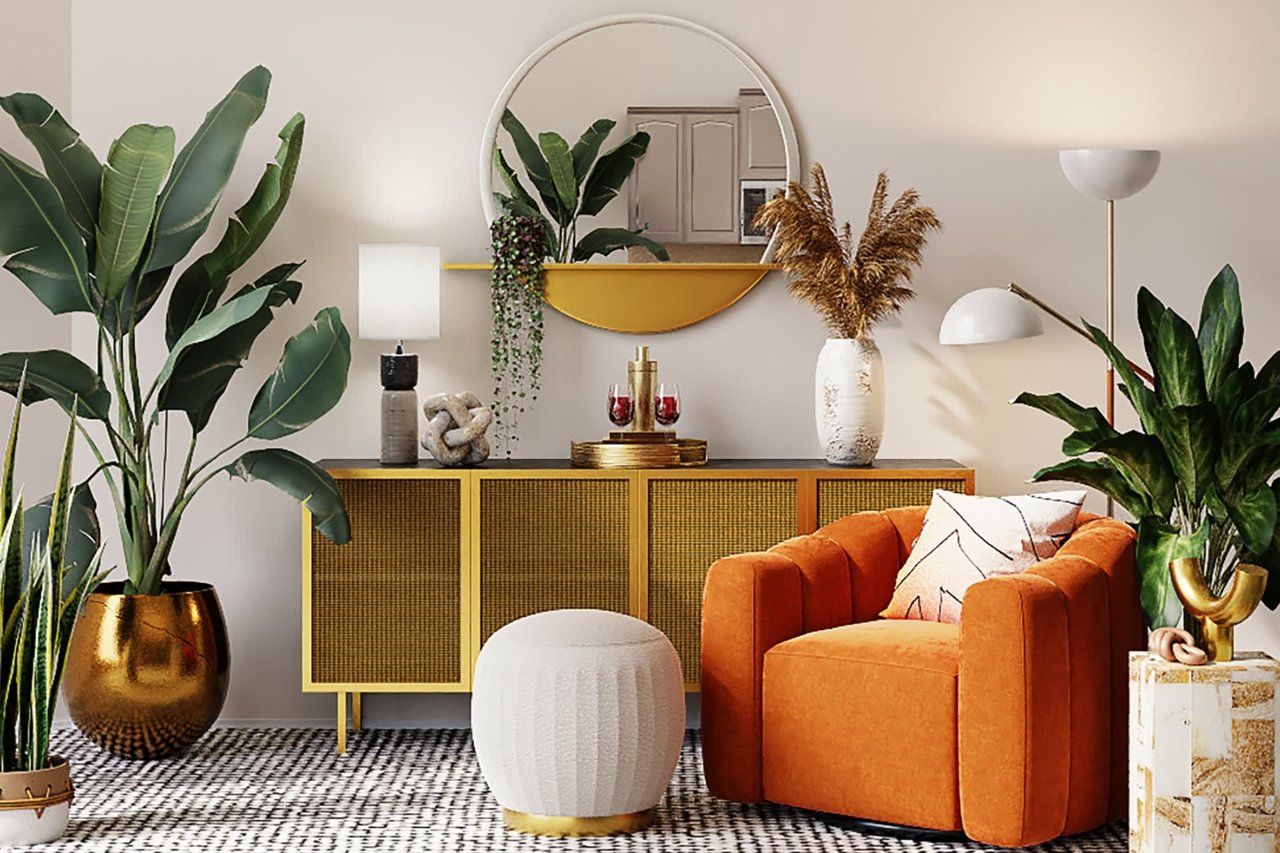
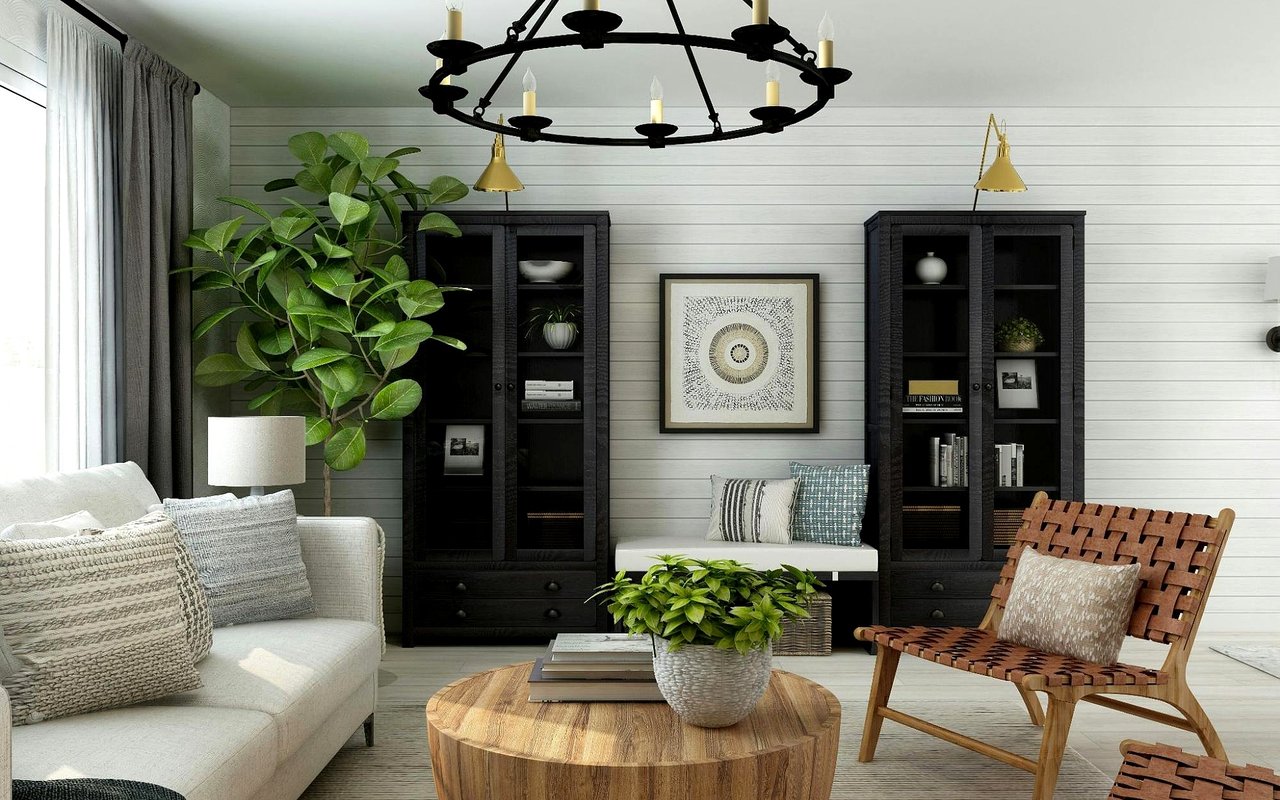
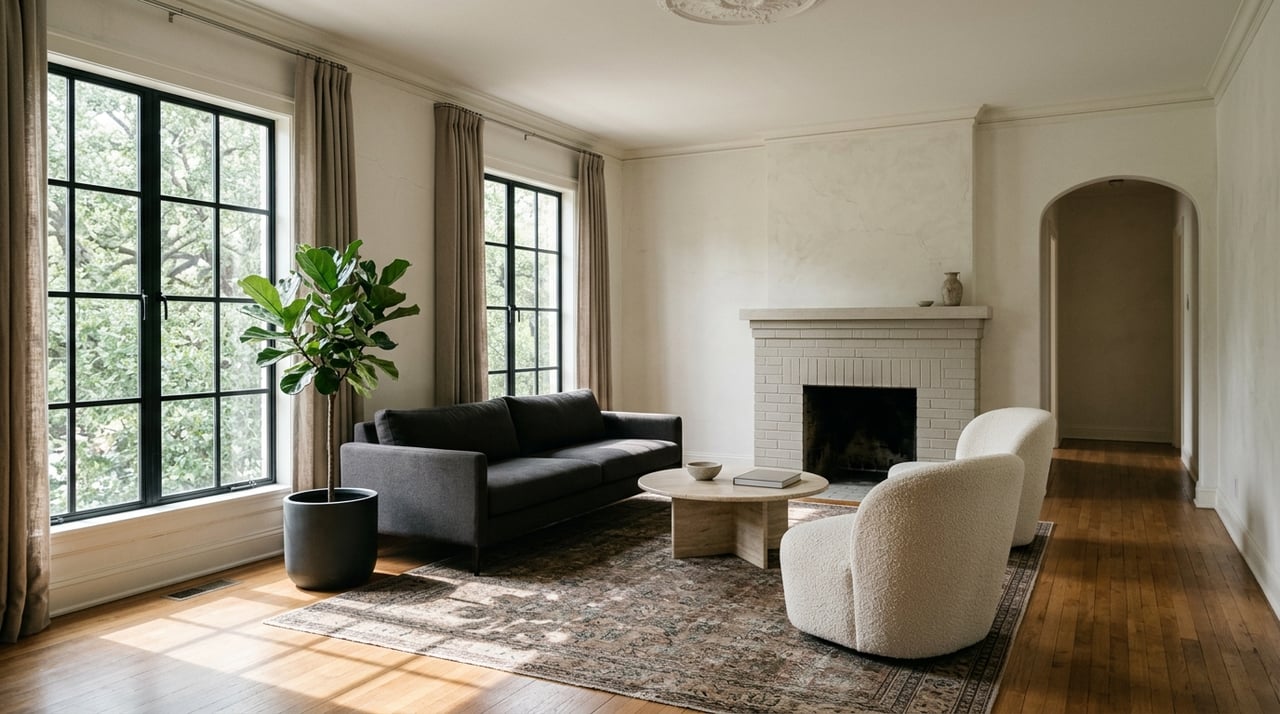
The living room often carries the emotional weight of the showing. In a historic home, it may feature original millwork, tall windows, fireplaces, or elegant proportions. Keep seating conversational, scaled to the room, and arranged to show off focal points rather than cover them.
Use a restrained mix of texture and color. You want warmth and comfort, but you do not want visual clutter competing with architectural details. If the room has an original mantel, built-ins, or trim, let those features lead.
Primary bedroom
The primary bedroom should feel calm, airy, and easy to live in. Buyers respond well when the room feels restful and spacious, especially in older homes where layouts can vary. Keep furniture limited to the essentials and avoid blocking windows or architectural features.
A soft, layered bed and a few well-chosen accents usually do more than filling every corner. The goal is to help buyers imagine a comfortable retreat while still appreciating the room’s proportions and natural light.
Dining room
Historic dining rooms often have strong character, but they can also feel formal or underused. Staging helps show function without making the space feel stiff. A simple table setting, balanced lighting, and enough clearance around the furniture can make the room feel useful for everyday living and entertaining.
If the room includes original wainscoting, trim, or a statement ceiling fixture, keep decor minimal so those details remain visible. Buyers should notice the room itself first, not just the table styling.
Kitchen
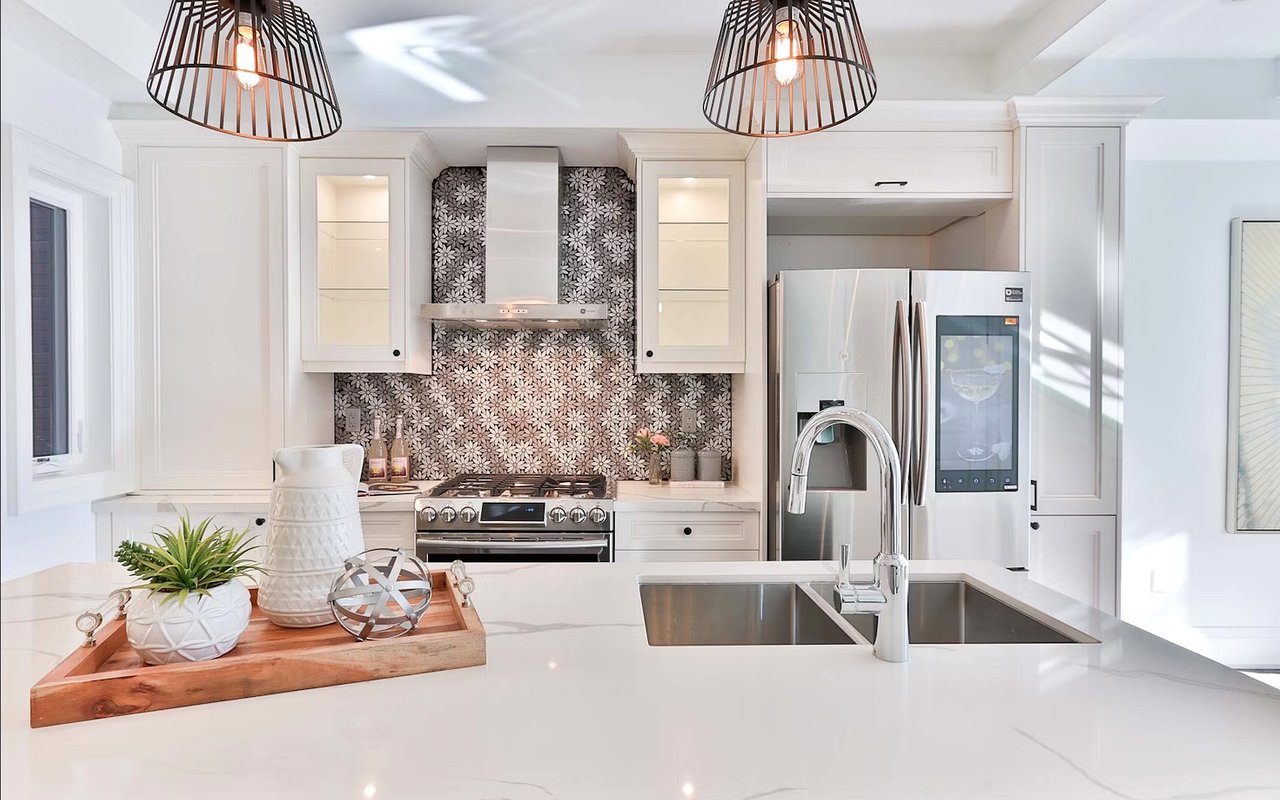
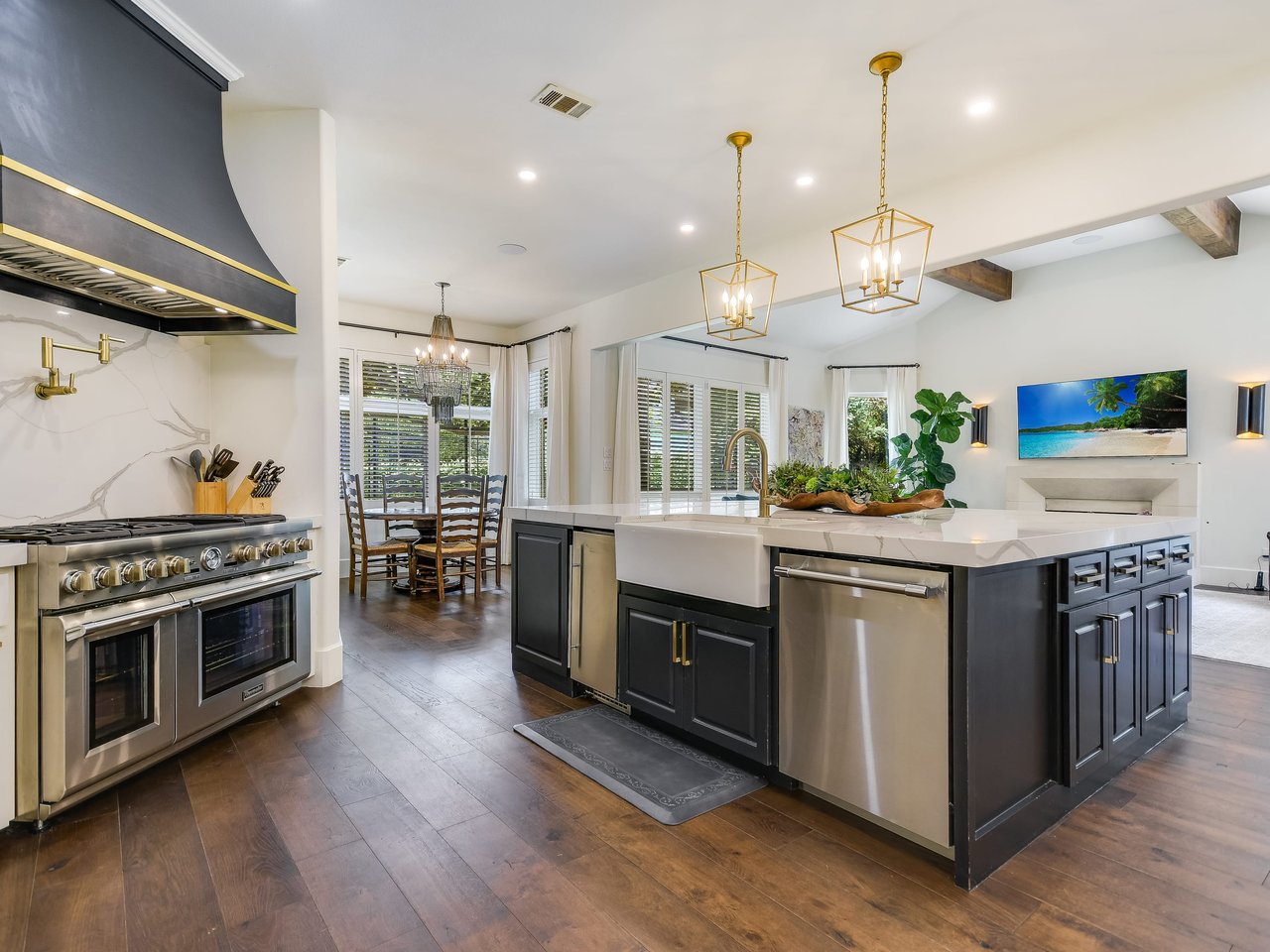
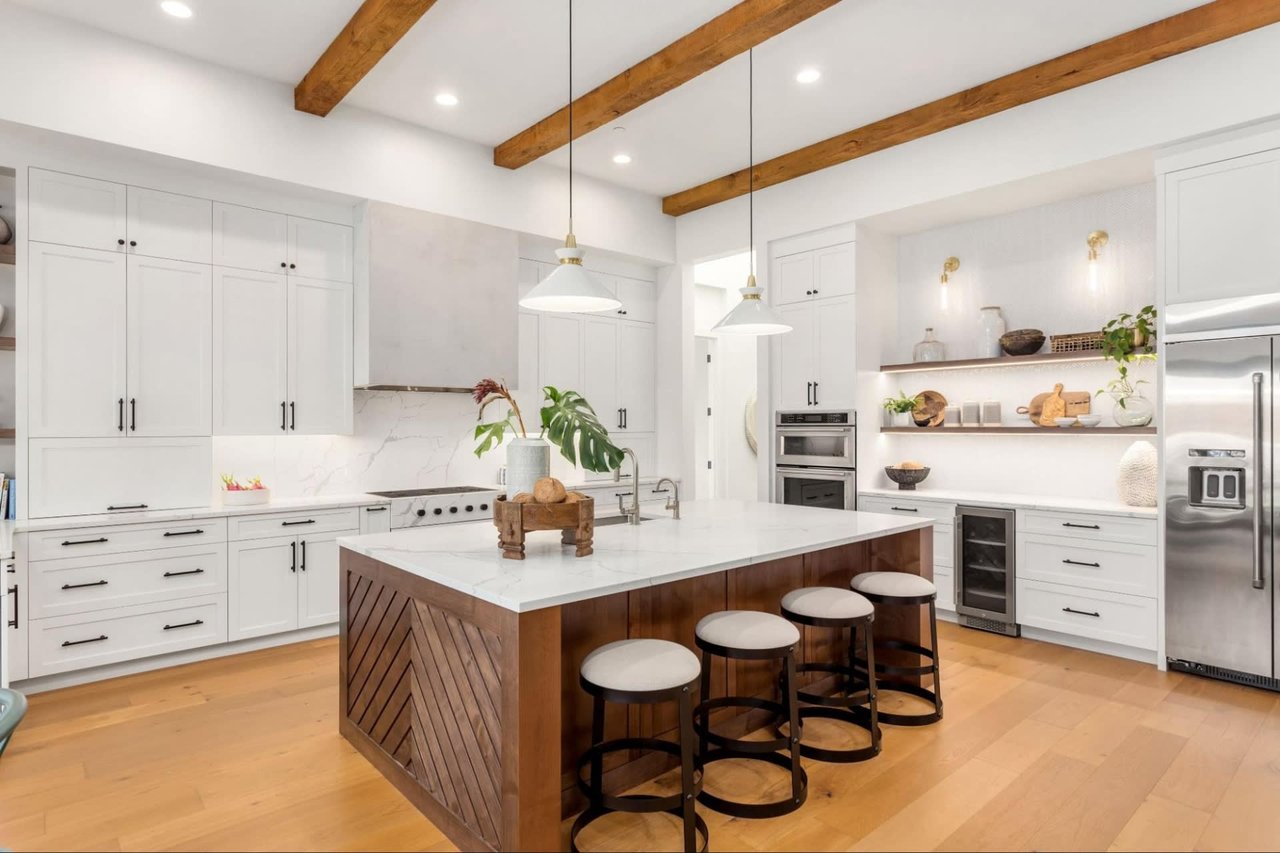
The kitchen is where buyers often look for tension between old and new. They want charm, but they also want usability. Staging can help by making the space feel clean, bright, and organized without suggesting a remodel that has not happened.
Clear countertops, remove excess small appliances, and add only a few elevated accents. If the kitchen has historic touches or a unique layout, clean presentation helps buyers process the space with less distraction.
Keep updates cosmetic and low-risk
For many historic homeowners, staging goes hand in hand with small pre-listing improvements. In Austin, the safest choices are usually the ones that read as maintenance, repair, and thoughtful presentation rather than major alteration.
City standards favor repairing damaged wall materials, porch elements, roofs, windows, and doors whenever possible. If replacement is necessary, the new work should match the historic size, profile, finish, and material relationship. That matters if you are trying to freshen the home before listing without creating preservation issues.
Smart pre-listing improvements
Consider focusing on updates like these:
- Fresh paint in historically appropriate, quiet tones
- Careful repair of damaged trim, plaster, or wood details
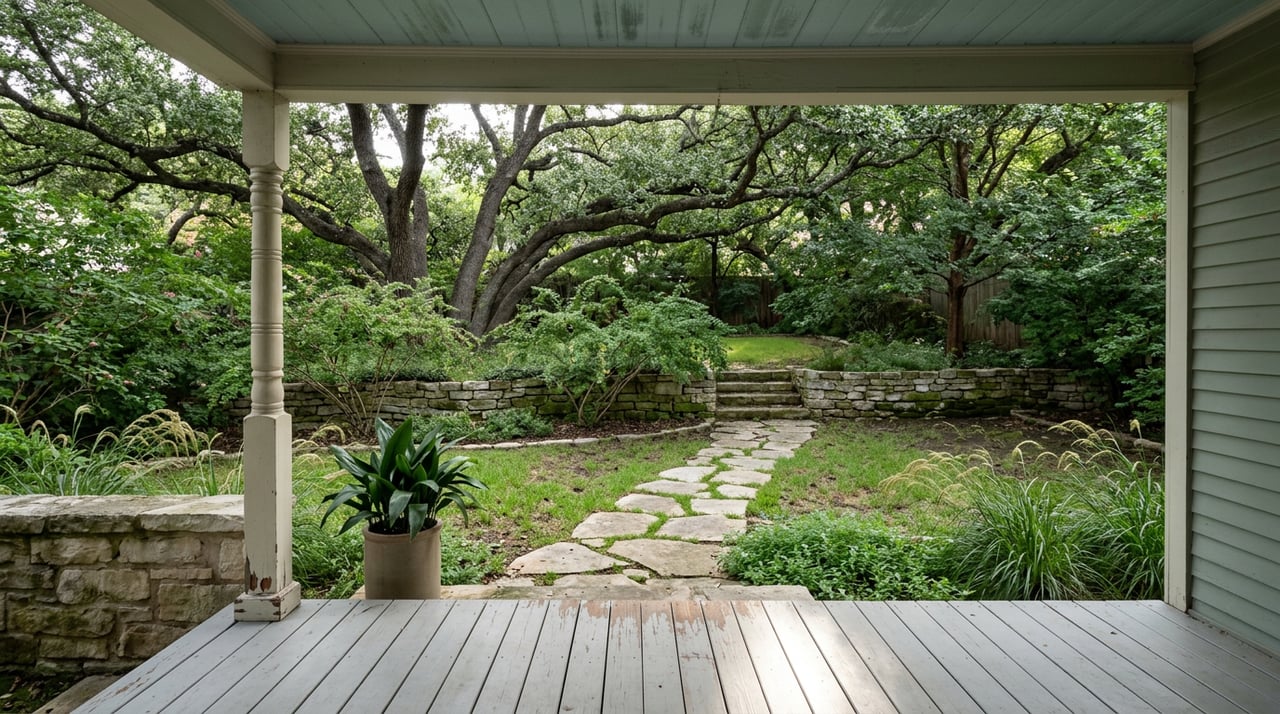
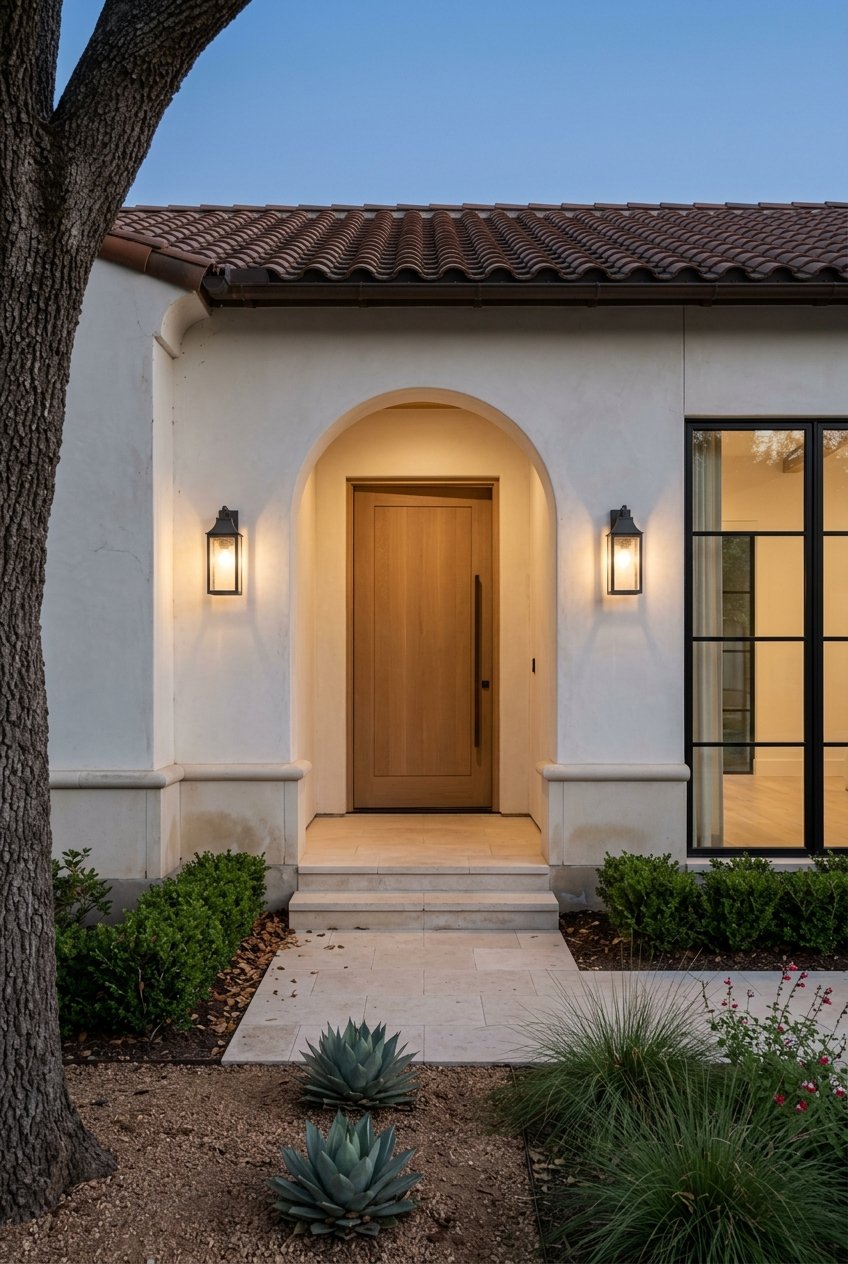
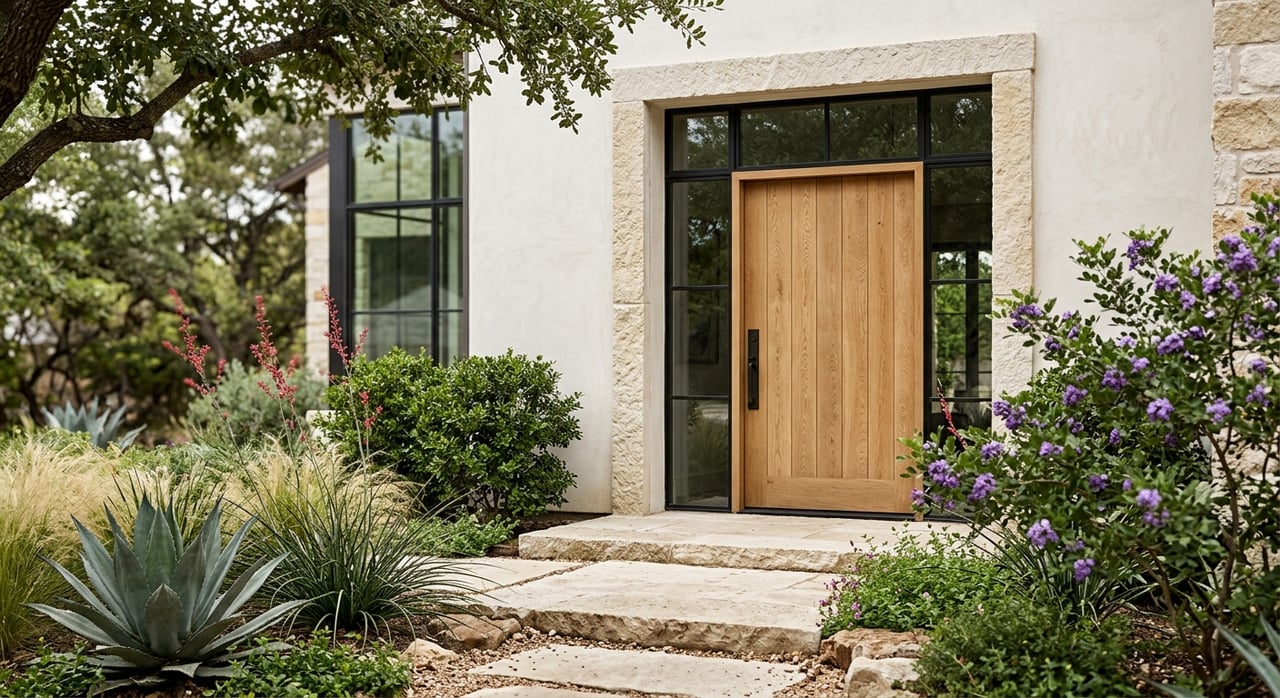
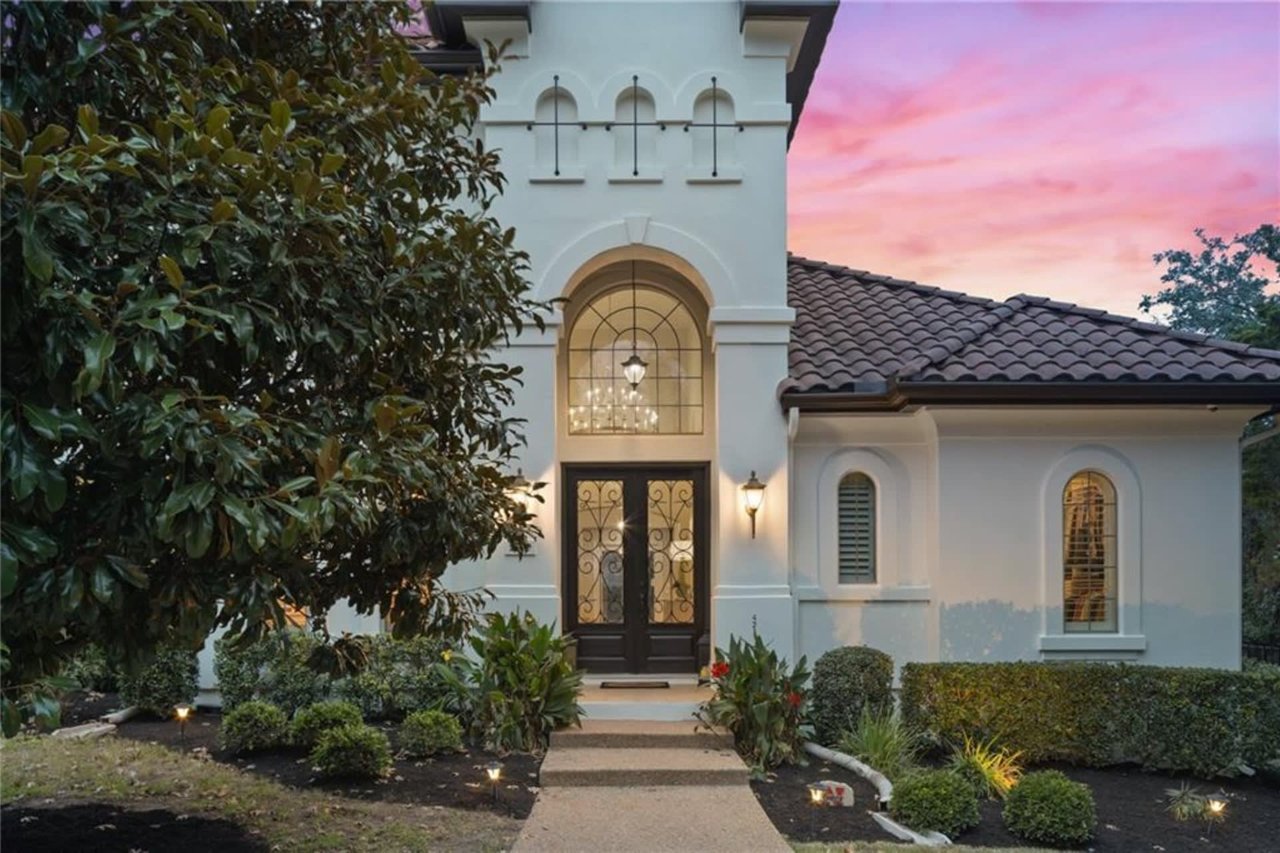
- Porch and entry touch-ups that improve first impressions
- Lighting updates that improve brightness without fighting the home’s style
- Deep cleaning of windows, floors, and original surfaces
- Landscape cleanup that sharpens curb appeal
These changes can make the home feel cared for and help buyers focus on its strengths.
Changes to avoid
Austin’s standards are especially clear about some common missteps. Vinyl is not an appropriate substitute for historic windows, and aluminum or vinyl siding should not replace a primary building material. The standards also say a front porch should not be enclosed.
If you are preparing to sell, avoid last-minute exterior changes that could undermine the home’s character or create review issues. In many cases, careful repair is both the safer and more effective move.
Know when historic review matters
One of the most common seller questions is whether staging itself requires city review. In most cases, interior-only staging is the least regulated part of the process because Austin’s historic rules focus on exterior and site work visible from the street.
That said, many older central Austin homes are landmarks or contributing properties in local historic districts, and that can affect what you change before listing. The City of Austin’s Historic Property Viewfinder can help confirm whether a home is a landmark or sits within a district. If it does, exterior and site changes usually require historic review unless the work is routine maintenance or an in-kind repair.
For non-routine exterior work, you may need a Certificate of Appropriateness, and larger projects can go before the Historic Landmark Commission. The city also encourages owners to contact preservation staff early for help interpreting standards and planning changes. That can save time and help you avoid work that does not align with the property’s designation.
Make the home feel current without losing character
Today’s buyers want historic charm, but they also want comfort. The best staging plan bridges both. You can make the home feel fresh and livable without covering up the details that give it identity.
Austin’s standards support discreet solutions. For example, interior storm windows and inserts are allowed because they can improve efficiency without damaging historic windows. The city also asks owners to place mechanical equipment and solar installations so they do not obscure the primary street view.
Inside the home, that same principle applies to presentation. Use lighting, textiles, and art to create a polished atmosphere, but keep the styling subordinate to the structure. In a luxury price point, elevated execution matters, yet the home should still feel authentic.
If original details are missing
Some historic homes in central Austin have lost original details over time. That does not mean you should guess. Austin’s standards say missing architectural features can be restored using photographs, historic drawings, or physical evidence, and the restored element should match the original in size, scale, profile, and finish.
If you are considering restoration work before listing, documentation matters. Austin points owners to resources such as the Austin History Center and Texas Digital Sanborn Maps for historic research. When you can support restoration decisions with evidence, the result is usually more credible and more appealing to buyers who value authenticity.
If the home has already been altered
Not every historic-area property is perfectly preserved. Some homes have been heavily remodeled over the years, and sellers often worry that buyers will see them as neither truly historic nor fully updated. In reality, a thoughtful presentation can still be very effective.
Austin’s standards note that non-contributing buildings can be renovated in a manner compatible with the district. The standards also allow for the removal of unsympathetic alterations when documentation supports restoration. That means an altered home can still be improved in a way that respects its setting without pretending to be untouched historic fabric.
For staging, this usually means leaning into coherence. Present the house as an attractive, functional home with a clear visual story. Buyers respond well when they can quickly understand what is original, what has been updated, and how the home lives today.
Ask about local incentives before work begins
If your home is designated, it may be worth checking for local incentives before making improvements. The City of Austin says historic landmark owners may receive an annual partial tax exemption if they file with the Travis Central Appraisal District between January 1 and April 30. Contributing properties in local historic districts may also qualify for the city’s rehabilitation tax abatement.
Those details may not change your staging plan, but they can influence the timing and scope of pre-listing work. If you are weighing repairs or restoration, knowing what may be available locally can help you make a more informed decision.
A staging strategy for Austin historic sellers
For a historic West and Central Austin home, the right staging strategy is usually simple: protect authenticity, prioritize the rooms buyers care about most, and make the home feel well maintained and easy to move into. In a market like 78701, where each listing is judged closely, small details can shape the overall impression.
When your home is presented with care, buyers are more likely to appreciate both its heritage and its livability. That balance is where strong results often happen, especially in Austin’s luxury historic market.
If you are preparing to sell a historic home in central Austin, the Kathryn Scarborough Group can help you think through presentation, positioning, and the details that matter in a high-value, highly specific market.
FAQs
Do I need historic review to stage a historic home in Austin?
- Interior-only staging is generally the least regulated because Austin’s historic standards focus on exterior and site work, especially what is visible from the street.
Which rooms matter most when staging a historic Austin home for sale?
- The highest-priority spaces are usually the living room, primary bedroom, dining room, and kitchen because those are the rooms most commonly staged and most noticed by buyers.
Can I replace old windows before listing a historic home in 78701?
- Austin prefers repair first, and if replacement is necessary, the new windows should closely match the original in size, type, configuration, material, form, appearance, and detail.
What should I do if my historic Austin home is missing original details?
- Use photographs, historic drawings, or physical evidence to guide restoration so new work matches the original size, scale, profile, and finish as closely as possible.
What if my central Austin home is in a historic district but already altered?
- Austin’s standards still provide a path for compatible renovation, and a clear, well-staged presentation can help buyers understand how the home fits its historic setting and modern use.