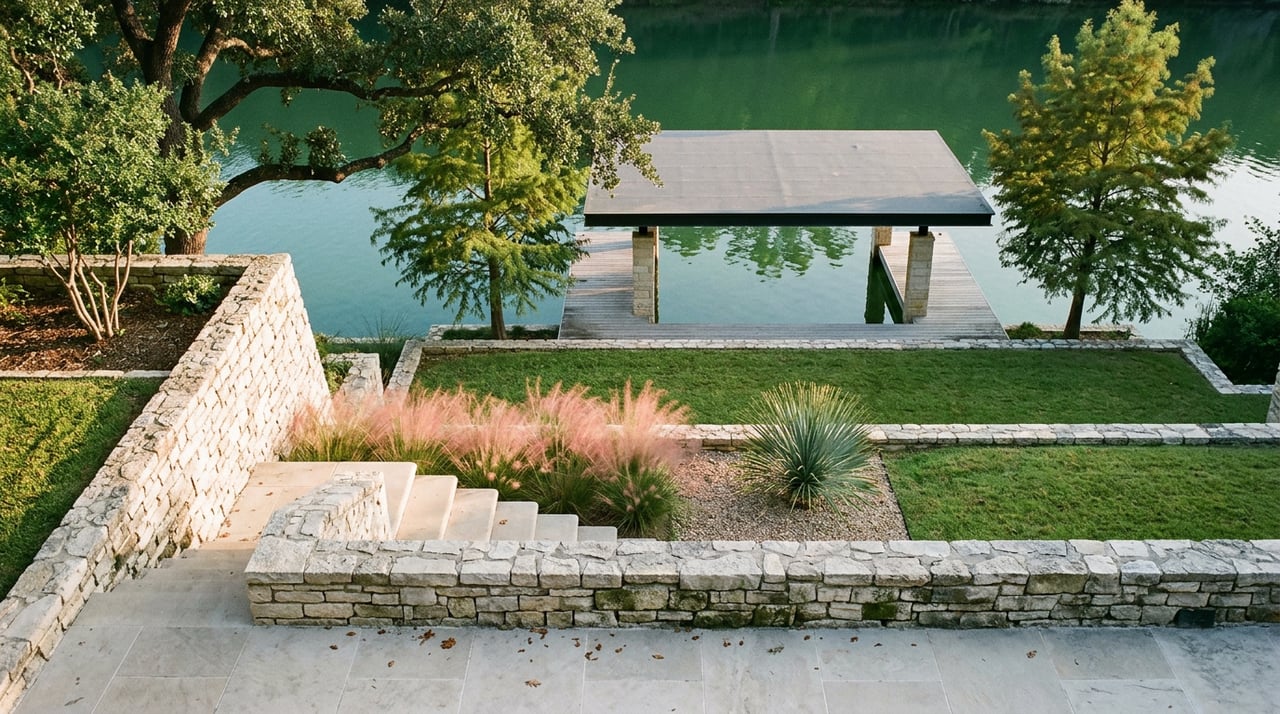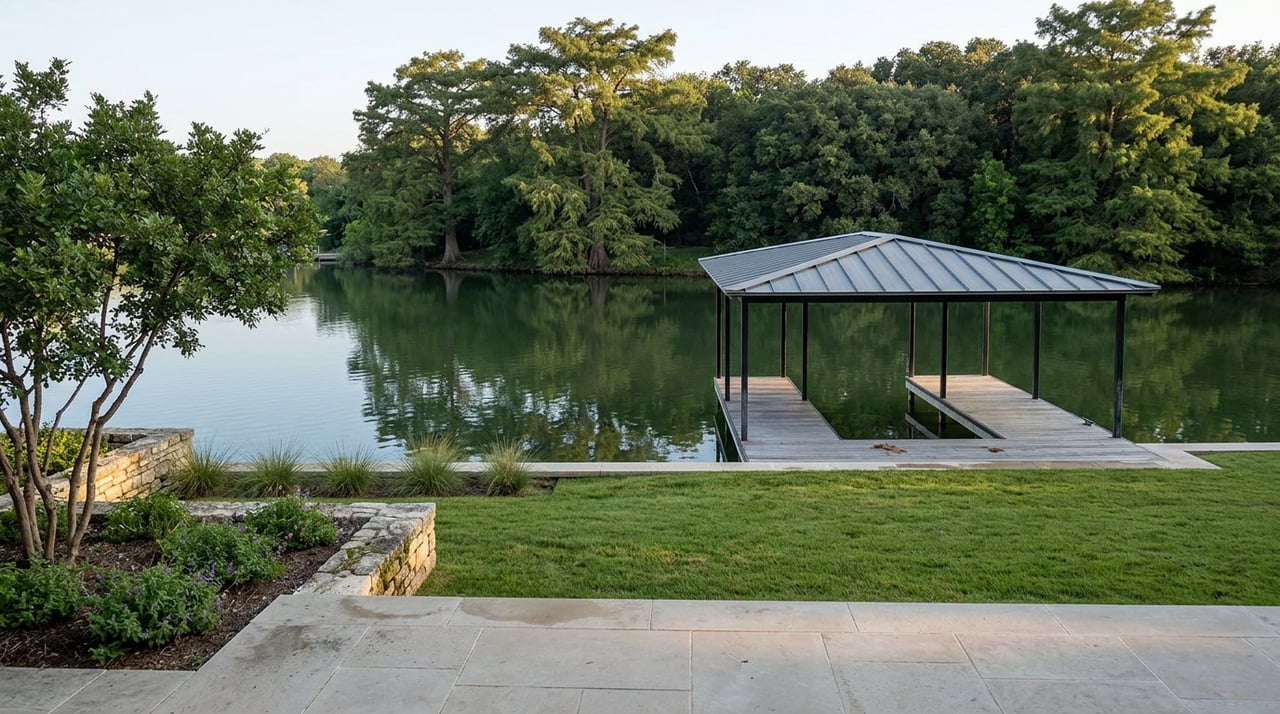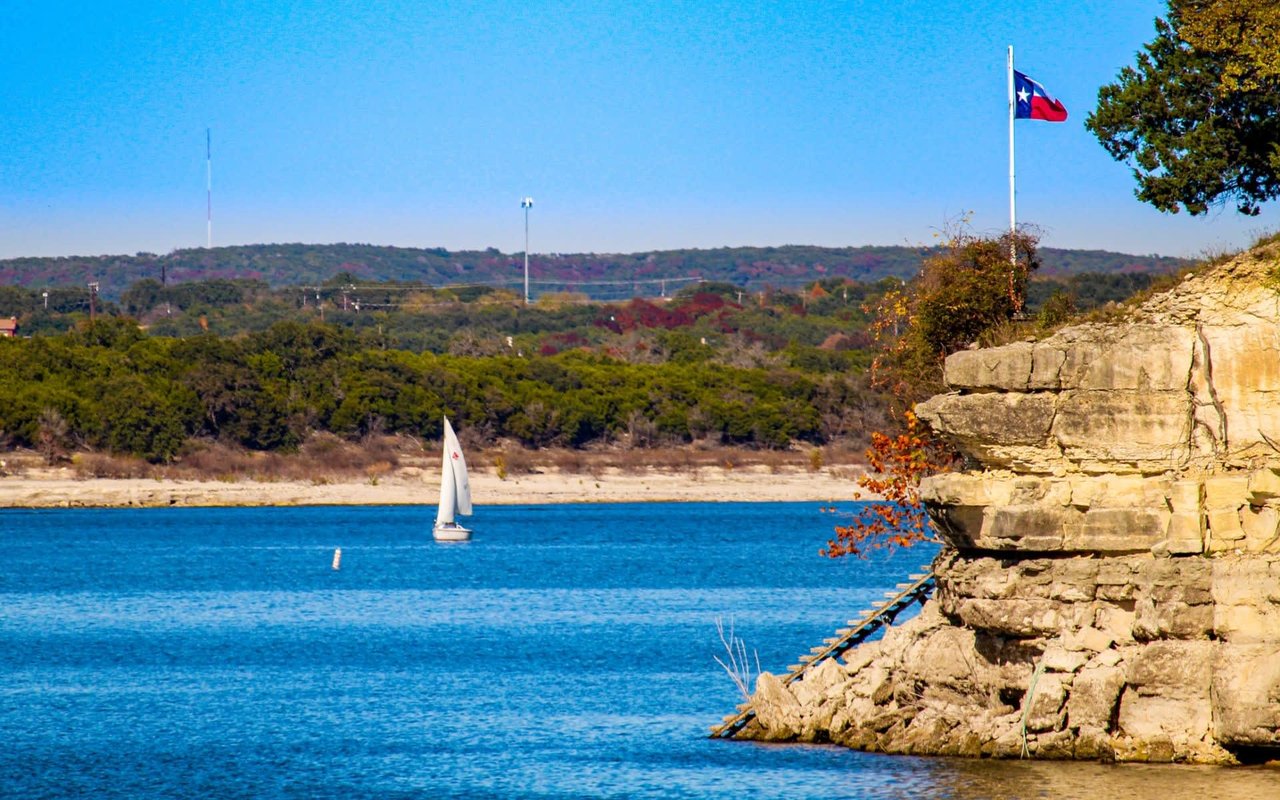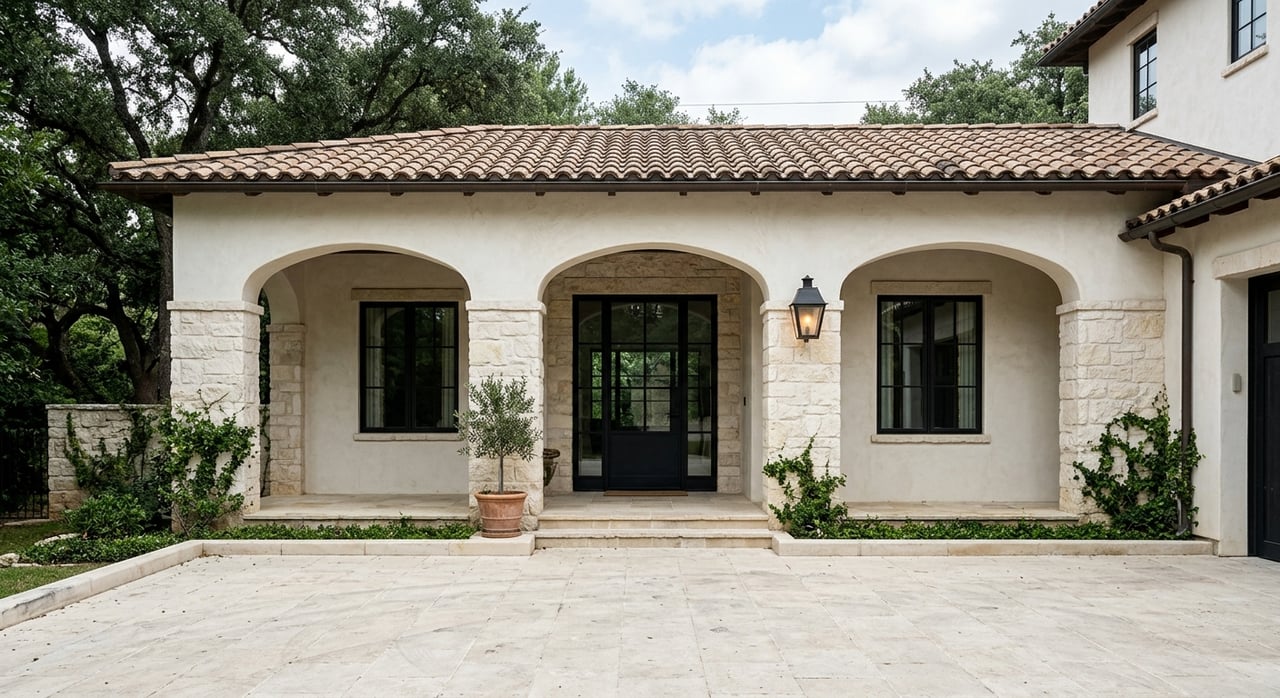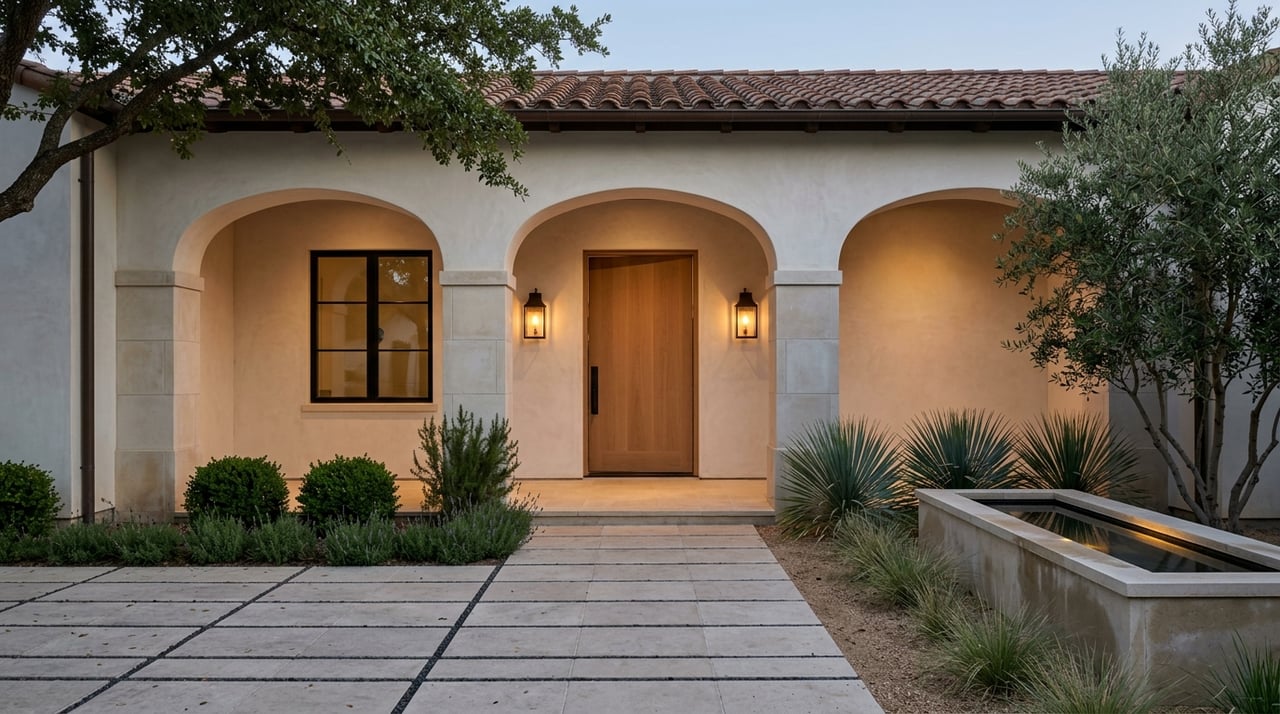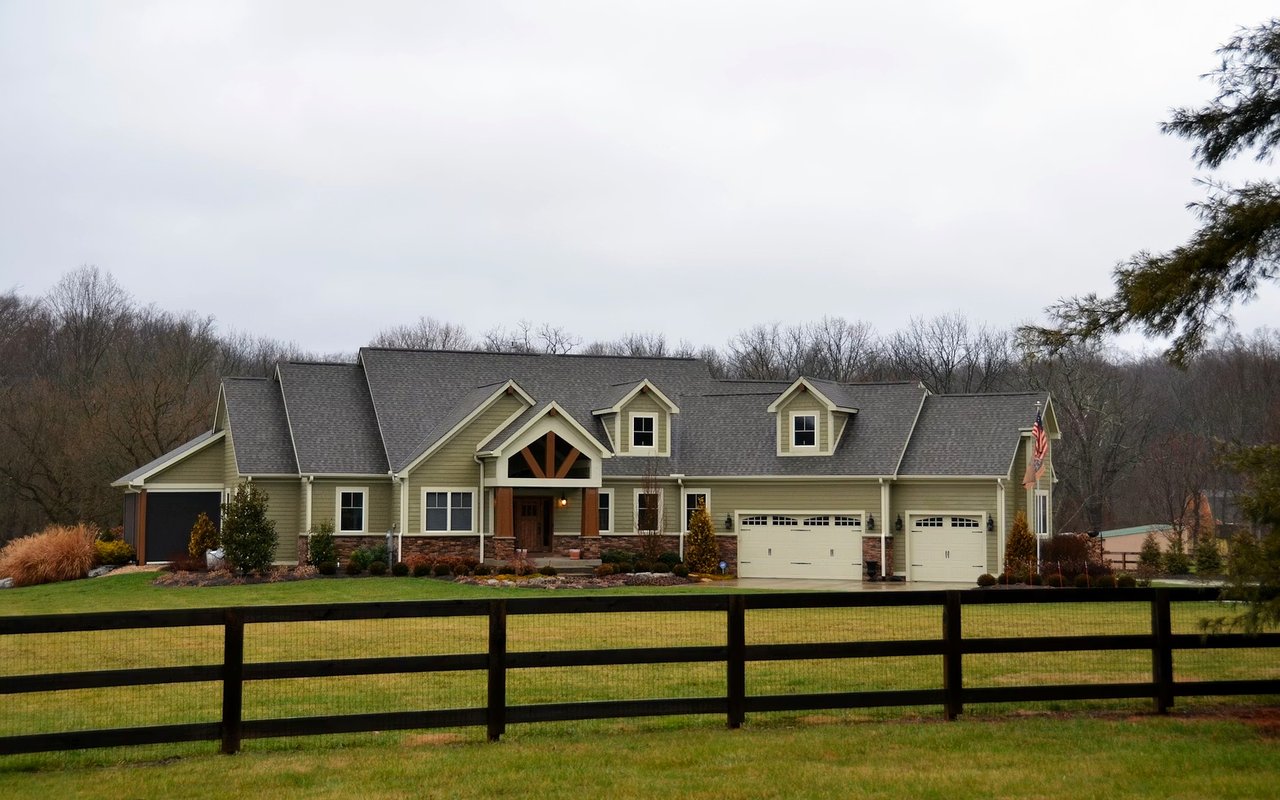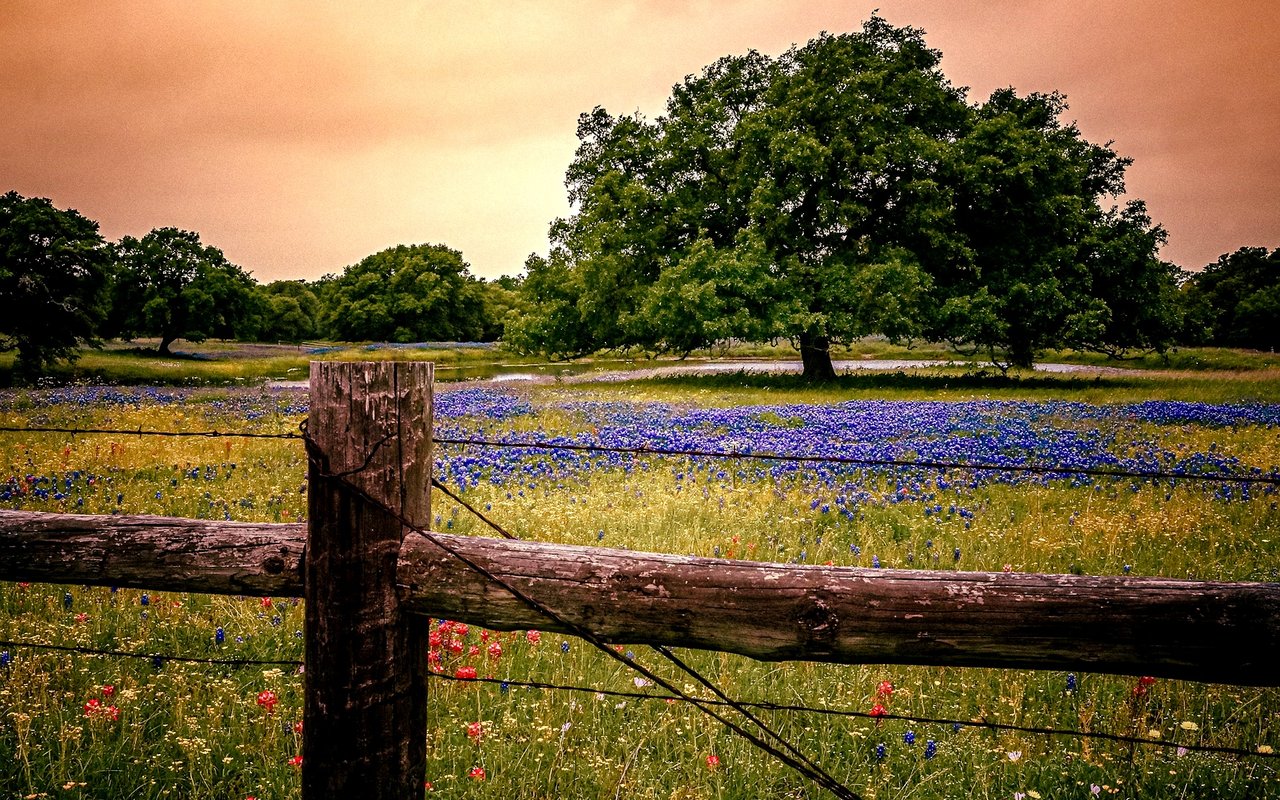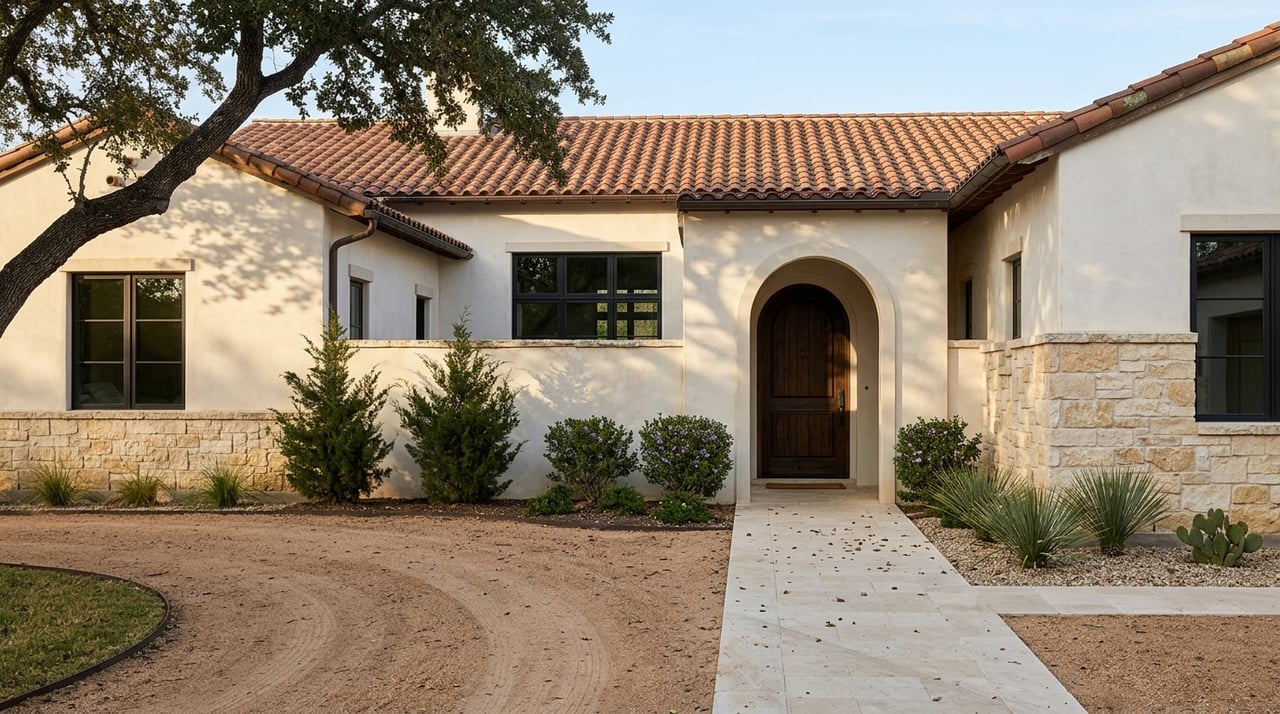
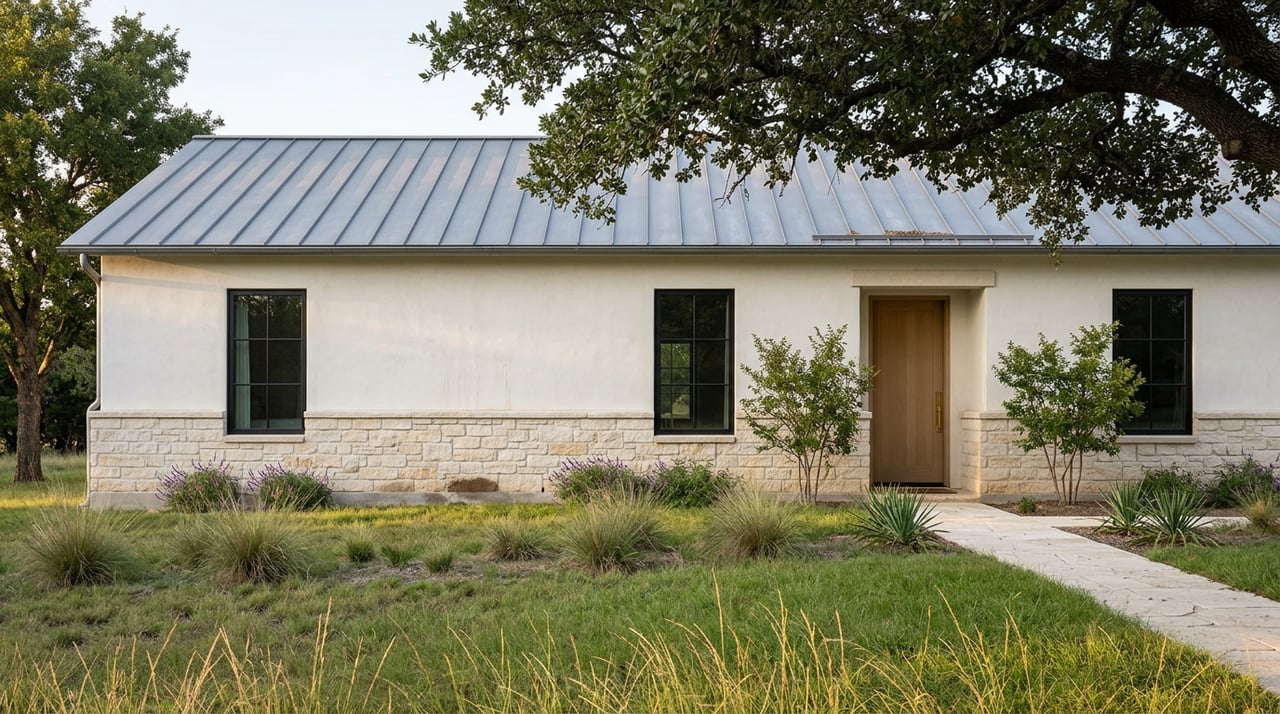
A 22-acre tract west of Dripping Springs comes to market. The listing sheet shows an annual tax bill under $900 and notes a working well on the property. Both figures do exactly what they are meant to do, which is make the carrying cost feel manageable to a buyer who has spent the last six weeks staring at per-acre medians.
Both are also the two most likely line items to move within a year of closing.
Every ranchette buyer around Austin eventually learns that the Austin-Waco-Hill Country submarket averaged $7,704 per acre in 2025 with a 5.7% year-over-year gain, a benchmark repeated in nearly every Texas land report published this year. That number tells you what land costs. It tells you almost nothing about what owning it costs. The two figures that answer that question, ag valuation and water, are the ones that surface late in a transaction, and they are the ones this post is about.
The tax bill on the listing is a snapshot, not a promise
Texas taxes qualifying agricultural land on its productivity value rather than its market value. A 25-acre tract with a $750,000 market value can carry an agricultural value closer to $5,000, which at a combined 2.5% rate produces roughly $18,625 in annual tax difference between the two treatments. That gap is exactly what makes a $900 tax line possible on a property worth well over a million dollars.
The gap is also the exposure. Under the 1-d-1 open-space appraisal used on almost every Central Texas ranchette, if the qualifying use ends, the appraisal district recaptures the tax difference for the previous five years and adds 7% annual interest. On the 25-acre example above, a rollback bill can exceed $100,000. By default the party who changes the use pays, which after closing is the new owner.
The savings, in other words, were never attached to the land. They were attached to how the seller used it.
Central Texas appraisal districts also do not treat every acre the same. Travis County has one of the more specific rules in the state:
| County | Minimum acreage for grazing/hay | Notes |
|---|---|---|
| Travis (east of IH-35) | 12 acres | Minimum 4 animal units; Blackland Prairie soils |
| Travis (west of IH-35) | 20 acres | Minimum 4 animal units; thinner Hill Country soils |
| Hays | ~15 acres implied | 5 acres per animal unit, 3-AU minimum on improved pasture |
| Travis or Hays (beekeeping) | 5–20 acres | 6 hives on 5 acres, plus additional hives per added acreage |
Hays CAD also requires a 5-of-7-year use history, which means an application filed the first spring after closing can fall short if the seller let intensity slip in the year before listing. The Travis CAD deadline is April 30, and both districts inspect the property before granting or continuing the valuation.
What actually breaks an ag valuation
The trigger is rarely a formal act. It is usually something that looks like normal ownership.
- Building a homesite where cattle previously grazed can end the valuation on the converted acreage.
- Fencing a personal yard around the house can count as a change of use on that footprint.
- Letting the fields sit idle after closing, even with the intention of restocking later, can prompt the CAD to remove the valuation.
- Converting to a wildlife management valuation is available, but only on land that already qualified for 1-d-1 in the prior year. Raw land cannot skip the ag step.
The friction that catches buyers off guard is not the rule itself. It is the timing. A new owner who takes possession in June, decides in July to hold off on livestock until fall, and misses the April 30 application deadline the following spring can be sitting on a tract that quietly reverts to market-value taxation. On a $2 million ranchette west of Bee Cave, that swing is measured in tens of thousands of dollars a year, not hundreds.
Two contract points are worth negotiating before the option period ends. The first is a written acknowledgment of who pays any rollback triggered before or at closing. The second is a copy of the seller's most recent CAD application and any inspection notes. If the seller cannot produce them, the "current" valuation is a claim, not a documented status.
The well line on the listing sheet is also a snapshot
The second figure that resets is water. Nearly every ranchette listing between Dripping Springs, Wimberley, Spicewood, and Bee Cave references a well. Almost none reference the aquifer feeding it, the static water level, or the recharge picture behind it.
They should. The eastern Hill Country sits above the Trinity Aquifer, a limestone system whose recharge lags surface rainfall by months to years. As of March 2026, the Hays Trinity Groundwater Conservation District reported that 100% of its monitored wells were below historic levels, conditions the district described as the worst in its 20-plus year history, worse than the 2011 drought. Regionally, Trinity levels have dropped on the order of 30 feet since 2021.
Jacob's Well, the karst spring near Wimberley fed by the same Middle Trinity Aquifer that supplies wells across the eastern Hill Country, did not stop flowing during the 1950s drought of record. It has now ceased flowing at least five times since 2000, most recently starting in October 2022, and remained dry through the spring 2026 rains.
A wet spring reads well on a drive-around. It does not refill a deep aquifer.
The practical consequence for a ranchette buyer is that the well described in the listing may not perform the way it did when the seller drilled it. One Wimberley-area well servicer told KUT in March 2026 that static levels that used to recover to about 500 feet after heavy rain are now holding at 660 to 690 feet. New wells in northern Hays County are increasingly being drilled into the confined Lower Trinity, which has no meaningful ability to recharge. Lowering an existing pump runs around $1,500. Replacing a pump entirely runs around $7,500. Deepening a well or drilling a new one is a materially larger number and often depends on the property's location within its groundwater conservation district's spacing rules.
Two questions worth asking during the option period, both of which a licensed driller can answer for a modest fee:
- What is the current static water level and yield, measured today, not at the time of the original completion report?
- Which portion of the Trinity is the well casing set in, and what is the applicable groundwater conservation district's current drought stage?
The Texas Water Development Board maintains the state groundwater database, and each local district publishes its own monitor readings. A buyer who spends an hour on those pages before closing will know more about the well than the listing agent typically does.
Underwriting a ranchette on the two numbers that reset
The Austin-area ranchette market is not overpriced on a per-acre basis. It is under-described on a carrying-cost basis. A tract with a documented five-year ag use history, an operator ready to lease grazing, and a well set in a monitored portion of the Middle Trinity with a recent yield test is a different asset than an identical tract without those things, even at the same price per acre.
The listing sheet will not distinguish between the two. The transaction will.
FAQ
Does buying ag-valued land trigger rollback taxes? No. A sale by itself does not trigger a rollback under 1-d-1. The clock starts only when the qualifying use ends, which is why the risk sits with the new owner after closing rather than the seller.
How quickly can a new owner file for continued ag valuation? The Travis and Hays CAD application deadline is April 30 of the tax year. Late applications may be accepted until the appraisal review board approves the roll, but filing on time and scheduling the field inspection early is the cleaner path.
Is a wildlife management valuation a workaround for a smaller tract? Only on land that already carried an ag valuation in the prior year. A conversion requires implementing at least three of seven recognized wildlife management practices under a state-approved plan, with annual reporting. It is not a way to take raw acreage straight to a productivity value.
Should a well inspection be part of the option period? On any Hill Country ranchette relying on groundwater, yes. A licensed driller can measure current static level, yield, and pump condition, and can pull the well's completion report from state records. The cost is small relative to the exposure.
The ranch and ranchette segment of the Austin market rewards buyers who underwrite the two figures the listing sheet compresses. If you are evaluating acreage west of Austin and want a second read on the ag valuation history, the well, and the contract language that ties both to the closing, Kathryn Scarborough Group is available to walk the property with you. Contact Us.