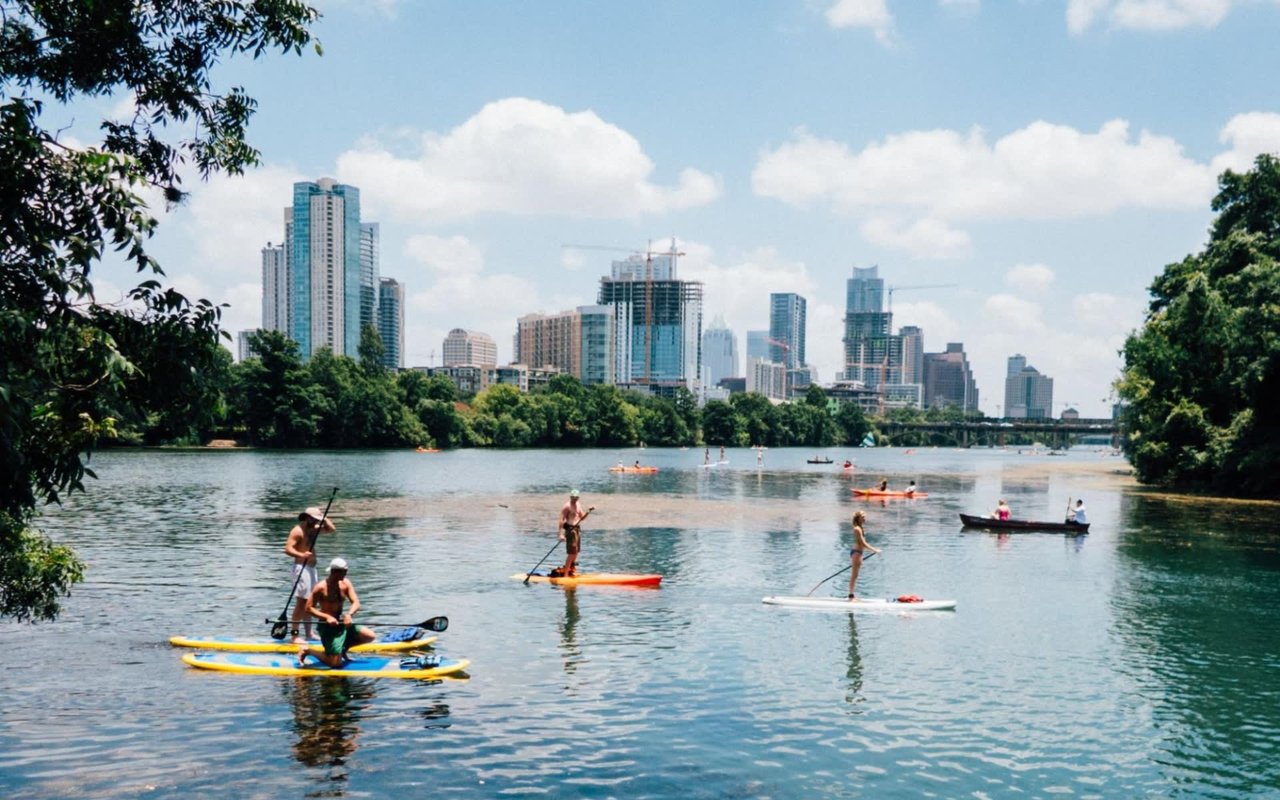
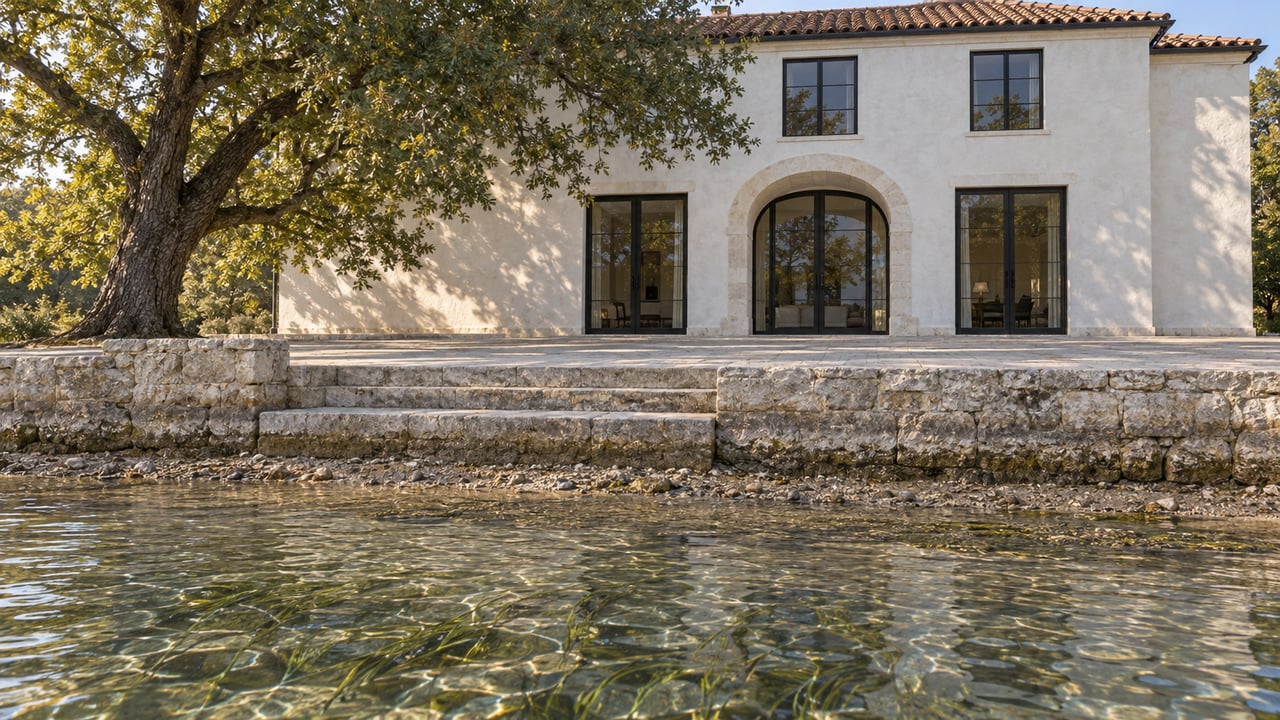
Paddle into any quiet cove on Lake Austin this summer and you'll feel it before you see it: the paddle catches, the kayak slows, and a green tangle rises to the surface behind you. Boaters have been cutting motors free of the same stuff all season. None of it is new to the lake. What's new is how much of it there is, and the reason has nothing to do with neglect.
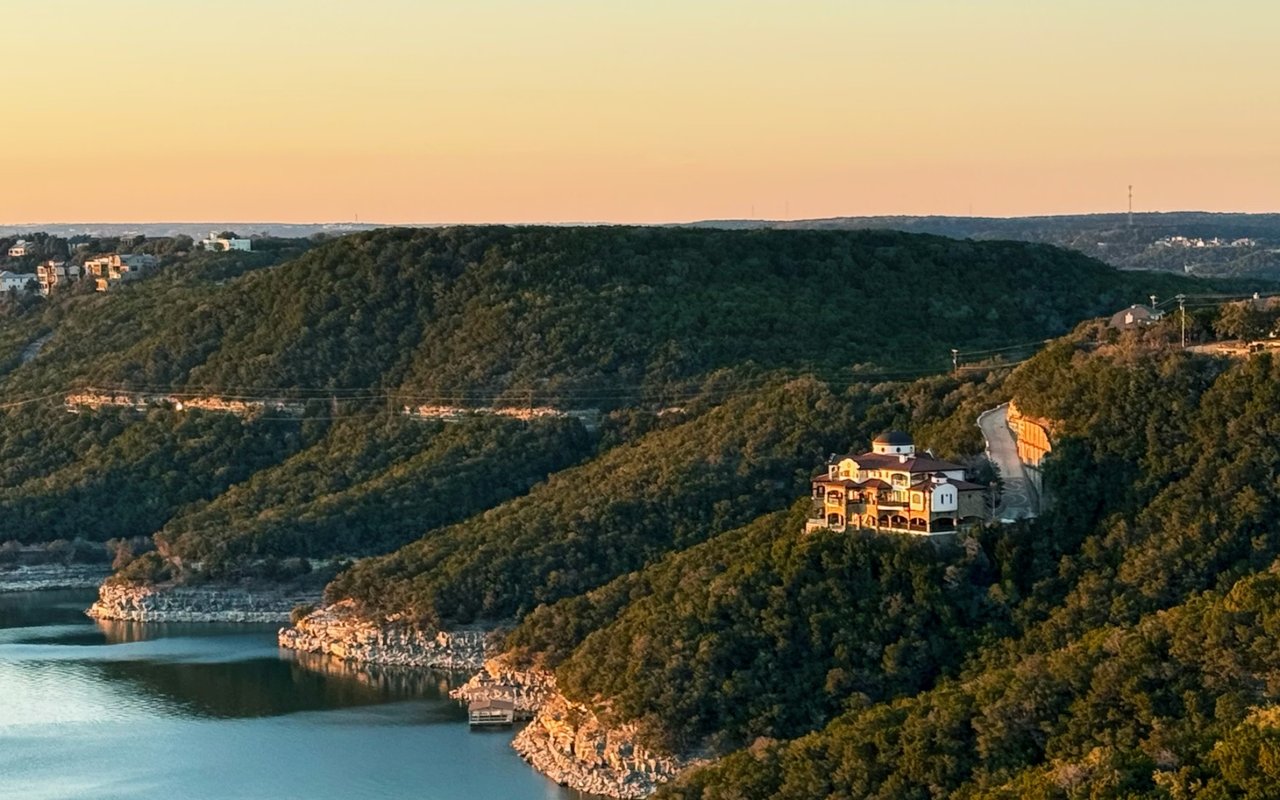
A Texas Parks and Wildlife Department survey conducted in June 2026 put a number on what everyone on the water already suspected. The lake is carrying roughly 575 acres of hydrilla and about 75 acres of Eurasian watermilfoil, both invasive aquatic plants that spread fast in warm, shallow water. That is a meaningful footprint on a lake that runs only about 20 miles from Tom Miller Dam to Mansfield Dam. And the city isn't racing to clear it.
What's Actually Growing Under the Boats
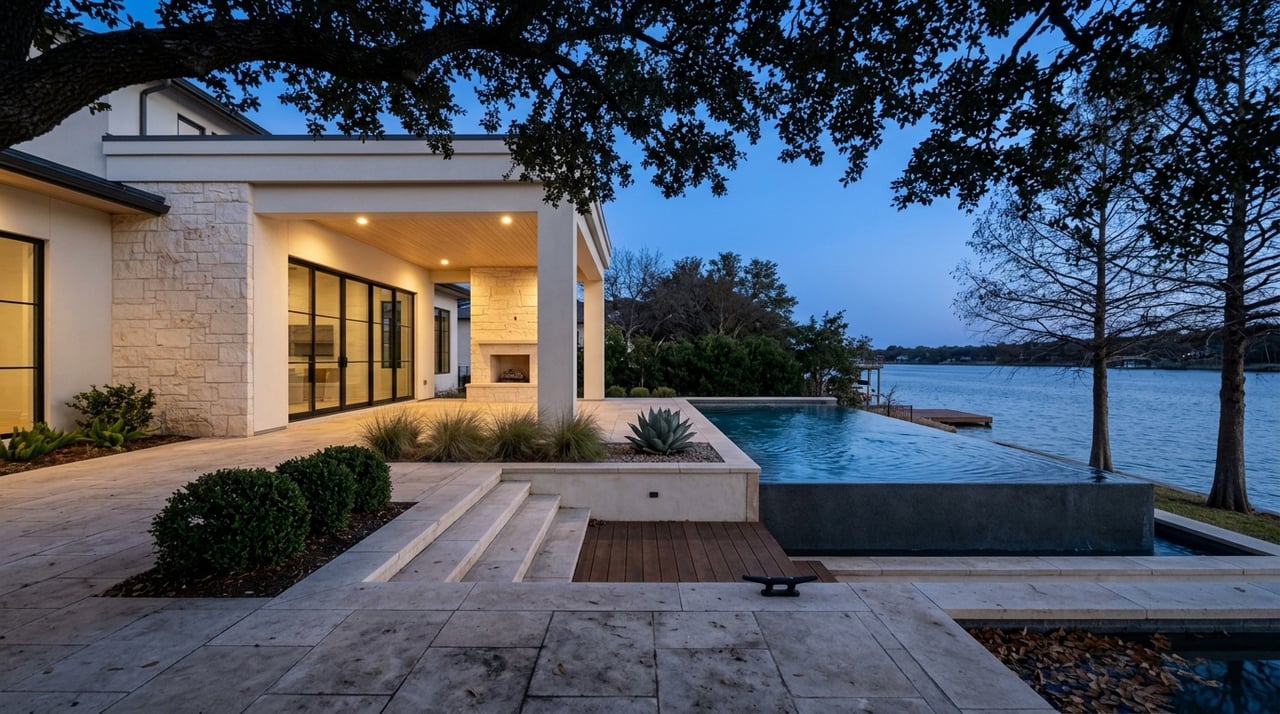
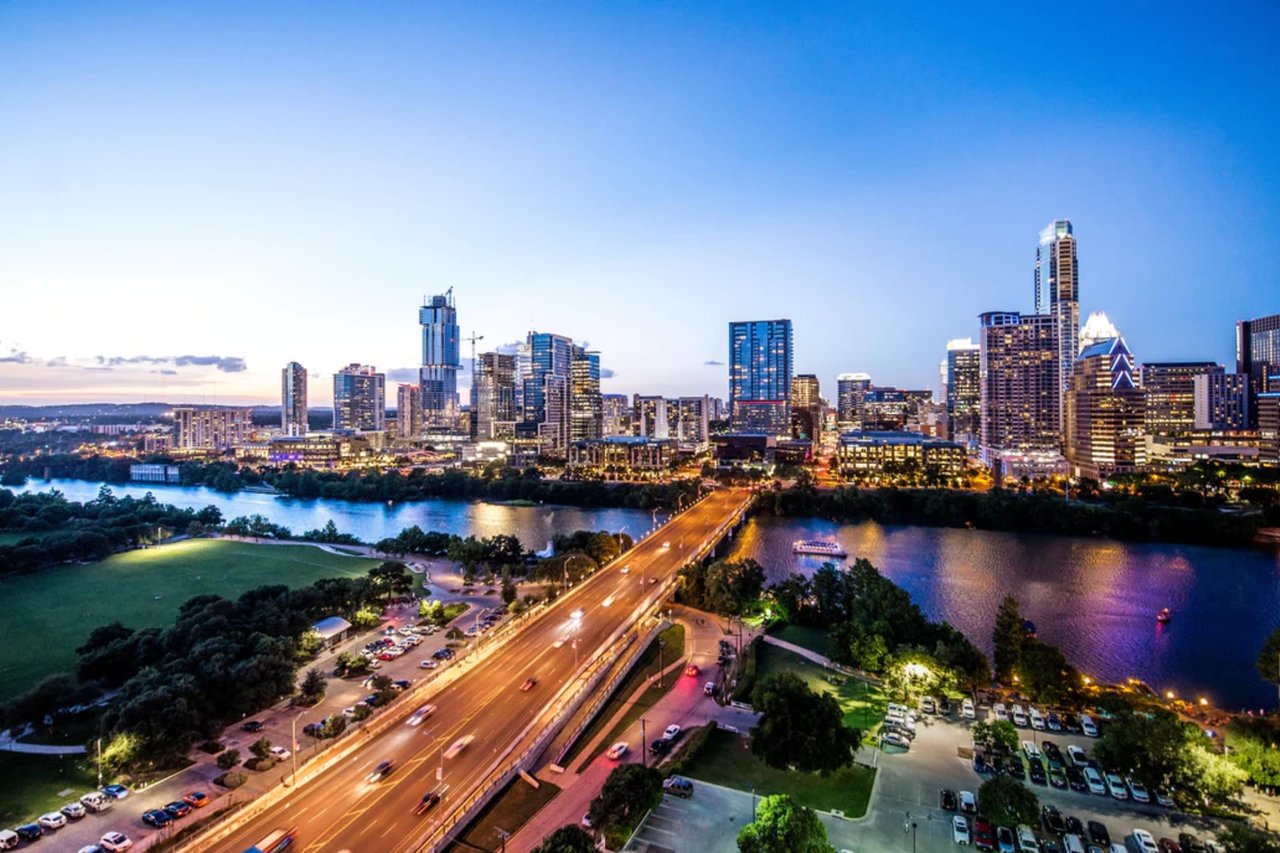
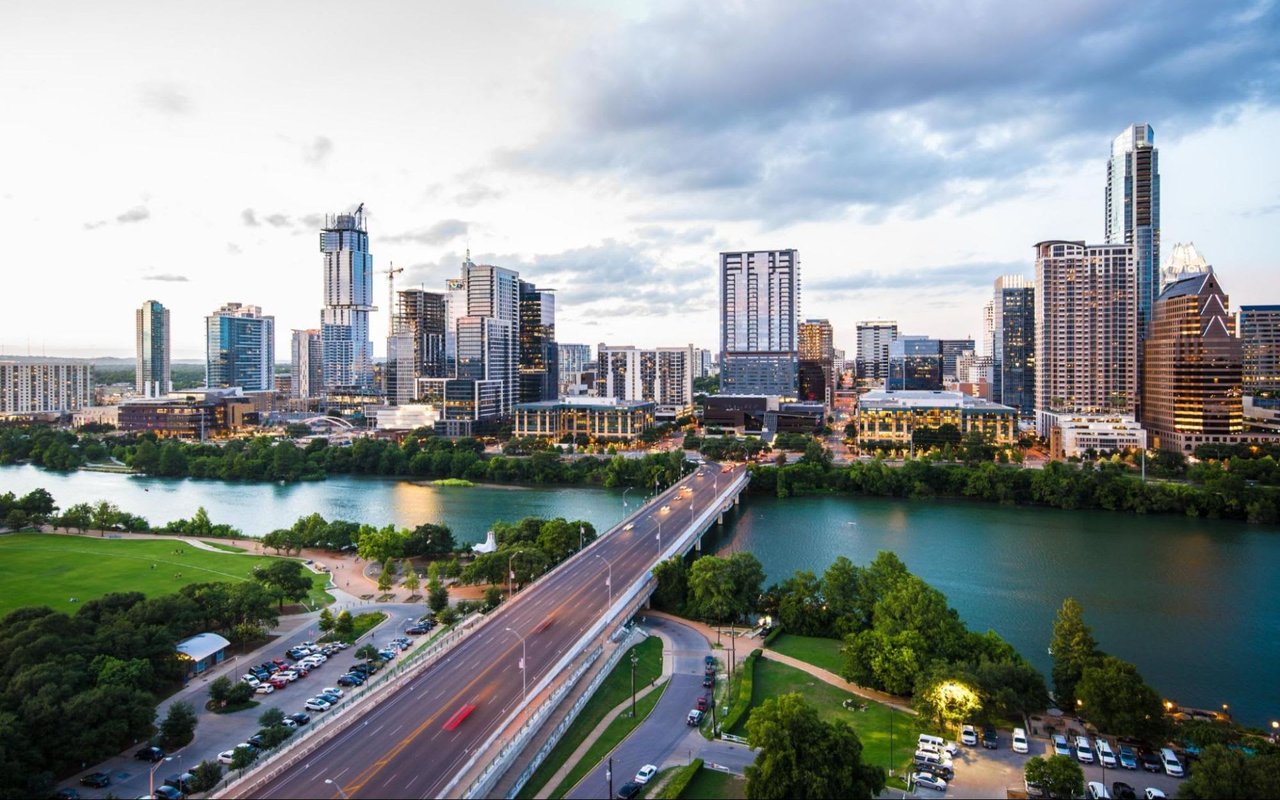
Hydrilla and Eurasian watermilfoil aren't native to Lake Austin, and both can form dense mats just below the surface, the kind that snag props, tangle paddles, and make a swim feel more like wading through a garden. But the growth isn't spread evenly across the lake. It concentrates in coves, canals, and stretches of the upper lake, the slower-moving water where sunlight reaches the bottom and current doesn't scour it away. The open channel near downtown, where boat traffic and depth keep things moving, tends to see less of it. If your dock sits in a protected cove rather than along the main channel, you've probably noticed more of this than a neighbor two coves over.
Why the City Isn't Just Spraying It Away
The obvious move would be aggressive herbicide treatment, and Austin has tried that before. It didn't go well. Past efforts to knock back hydrilla hard enough to eliminate it caused unintended damage to the lake's broader aquatic ecosystem, the kind of collateral effect that takes years to undo. So the current approach isn't eradication. It's balance. Some aquatic vegetation actually supports water quality and gives fish somewhere to live and spawn. The goal is managing the volume, not wiping it out.
The tool for that is a fish, not a chemical. In May 2026, Austin Watershed Protection stocked an additional 2,790 sterile grass carp into the lake, a species that eats aquatic vegetation without being able to reproduce and take over the lake itself. That stocking pushed the estimated density to somewhere between five and eight grass carp per acre of hydrilla, a number the city calibrates carefully because too few carp barely dent the growth and too many can strip a lake bare in a single season. It's a slow biological lever, not a fast fix, which is part of why this summer still felt thick even with fish already working the coves.
The Timing That Makes This Fall Different
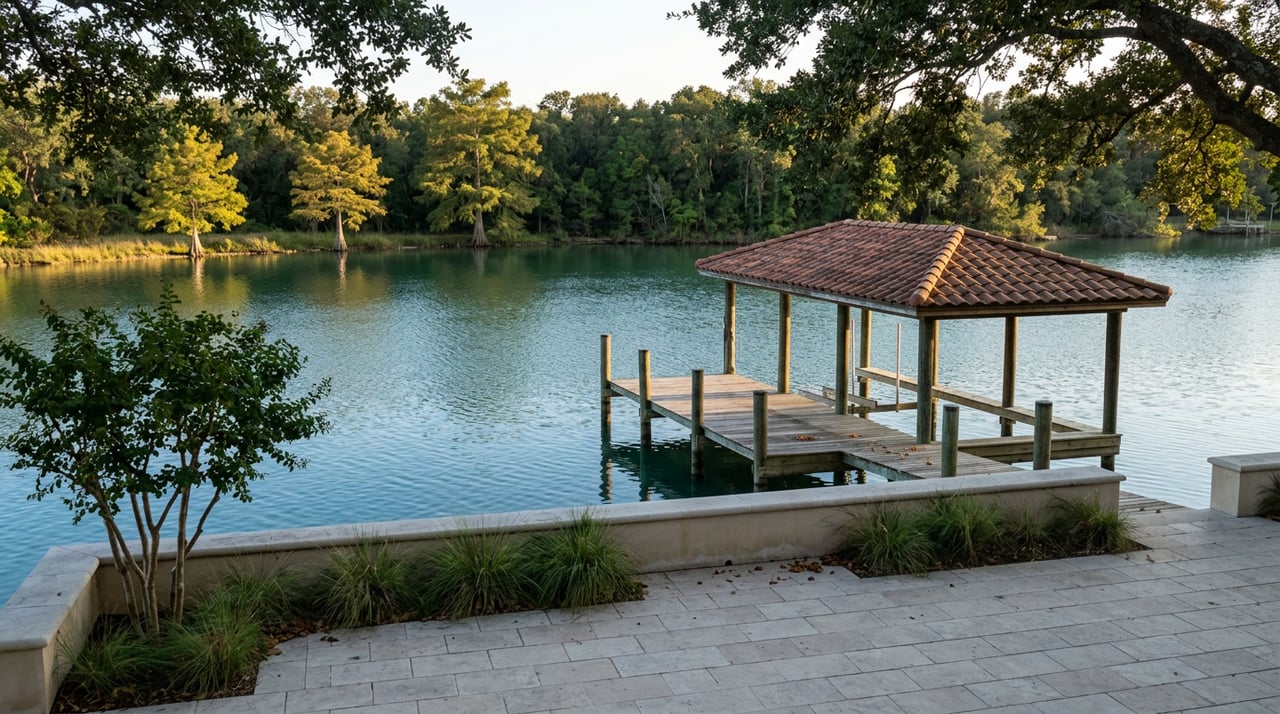
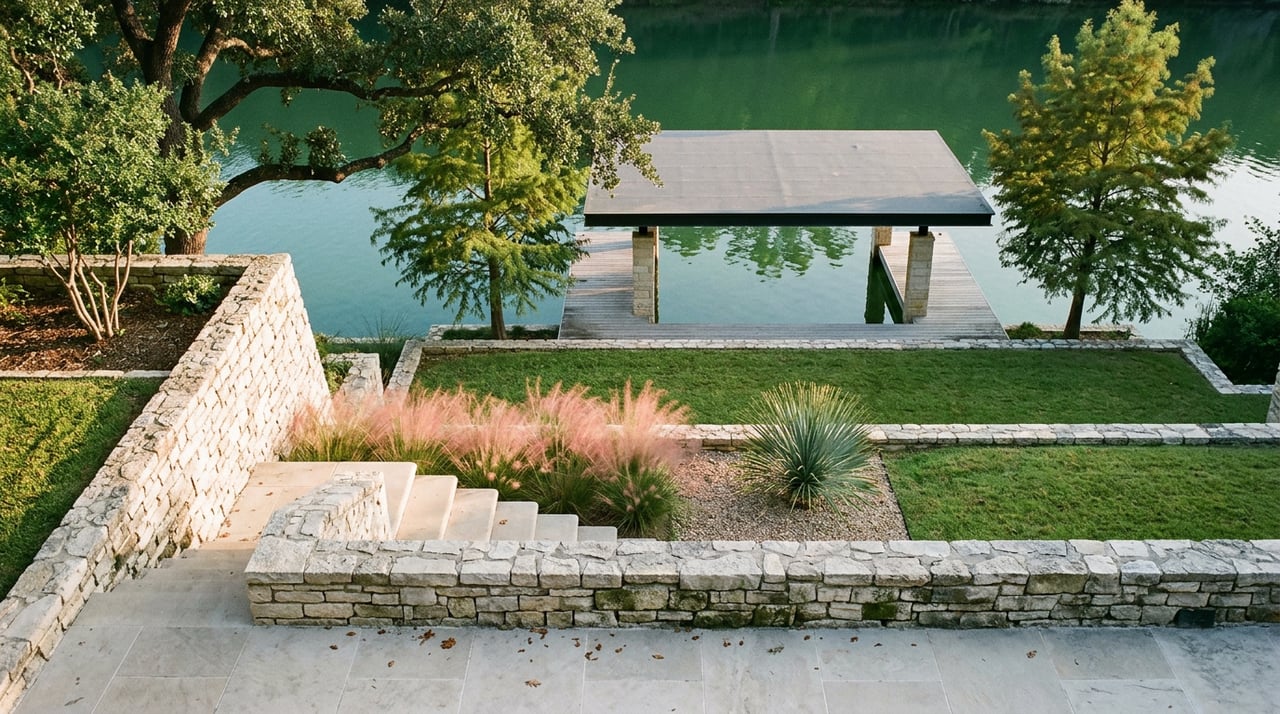
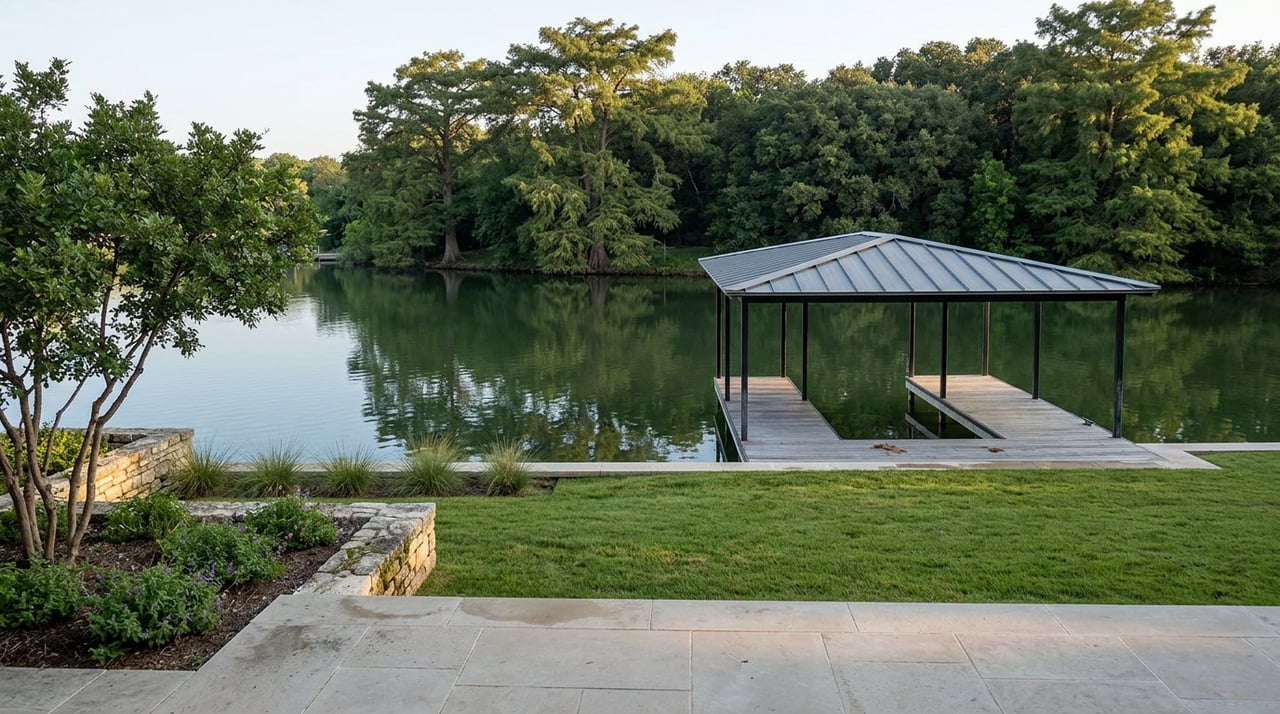
Here's where the season gets more complicated than a typical late-summer bloom. On August 20, 2026, the City of Austin and the Lower Colorado River Authority announced a scheduled drawdown running from October 12 through November 30, lowering the lake by roughly ten feet to a target range of about 481.8 to 482.8 feet above mean sea level. The stated purpose is straightforward: give shoreline property owners and city crews better access to maintain docks, bulkheads, and boat slips while the water is out of the way.
Public boat ramps are expected to close for the duration, and swimming will be prohibited at Emma Long Metropolitan Park while the lake sits at its lower level. That's a normal cost of a drawdown. What's less normal this year is what the drop will reveal along the banks. Ten feet of exposed shoreline during a season when hydrilla and watermilfoil are already running at 575 and 75 acres respectively means residents are likely to see more matted vegetation sitting on newly dry ground than in a typical year, especially in the same coves and upper-lake stretches where the growth concentrates in the first place. The carp are still working through it below the waterline. The drawdown just pulls the curtain back on what they haven't gotten to yet.
What This Means for the Next Six Weeks on the Water
None of this changes the fact that Lake Austin will look and behave differently than usual through the end of November. A few practical notes for anyone planning to be on or around the water during that stretch:
- Boaters working coves and canals, particularly on the upper lake, should expect more prop fouling than the main channel sees, and that gap will likely widen once the drawdown exposes shallower water.
- Anyone relying on a public ramp for lake access should plan around the closures rather than assume normal operations through mid-November.
- Emma Long Metropolitan Park won't be an option for swimming until the lake returns to its normal pool elevation.
- Shoreline vegetation that's been underwater all summer will be visible and likely dried out on the banks once the water drops, which is a different look than the usual clear waterline most residents are used to.
Lake Austin's whole identity rests on being the constant-level lake, the one where the water sits where you left it. That's still true in the long run. But between a heavier-than-usual hydrilla year and a rare scheduled drawdown landing in the same six weeks, the lake is about to look less constant than its reputation suggests, right up until the water comes back up in December and the grass carp keep doing what they've been doing all along.
If the drawdown has you thinking about your own dock, bulkhead, or shoreline this fall, or you just want a second opinion on what a stretch of exposed bank means for a property you're watching, Kathryn Scarborough Group knows this lake cove by cove. Reach out anytime.