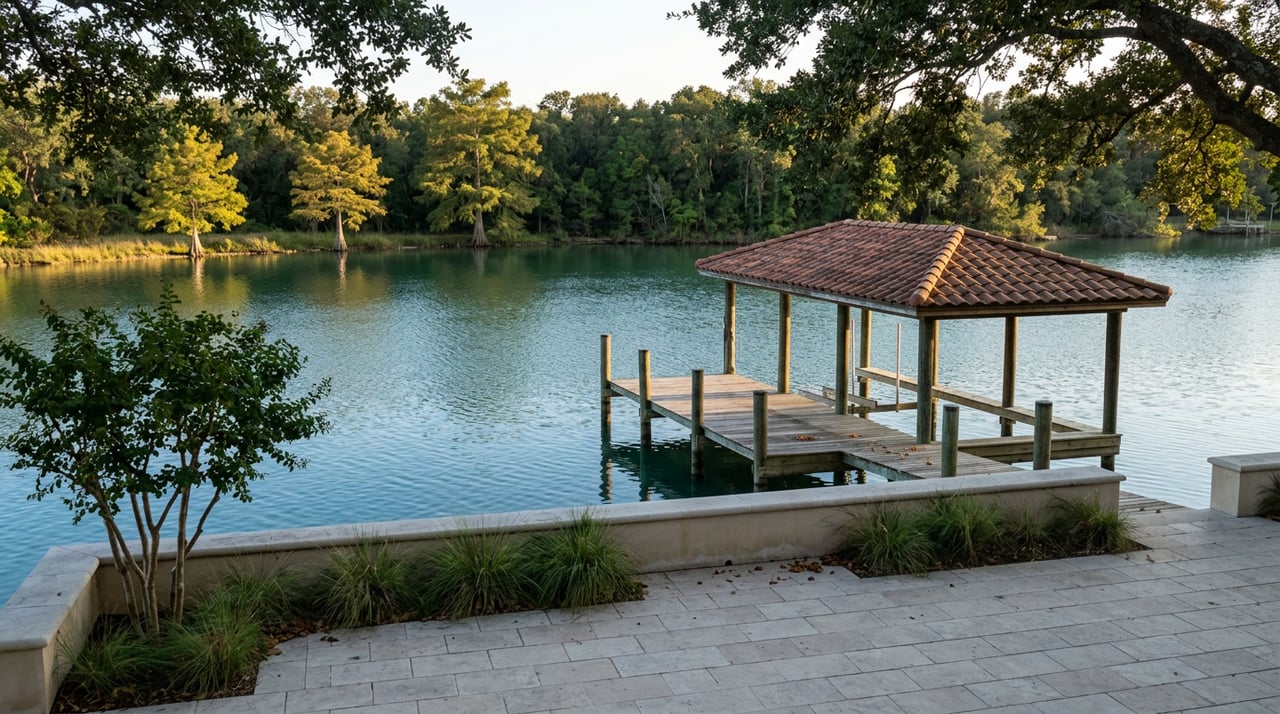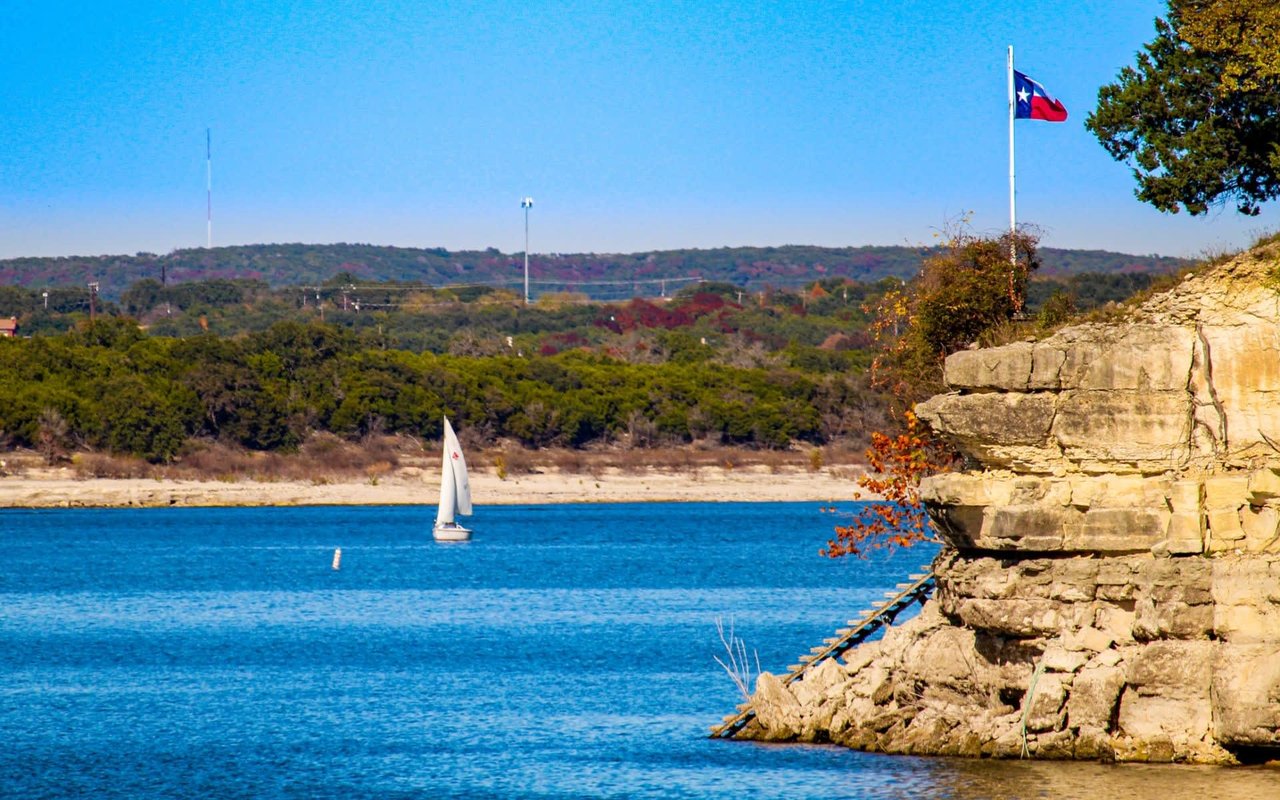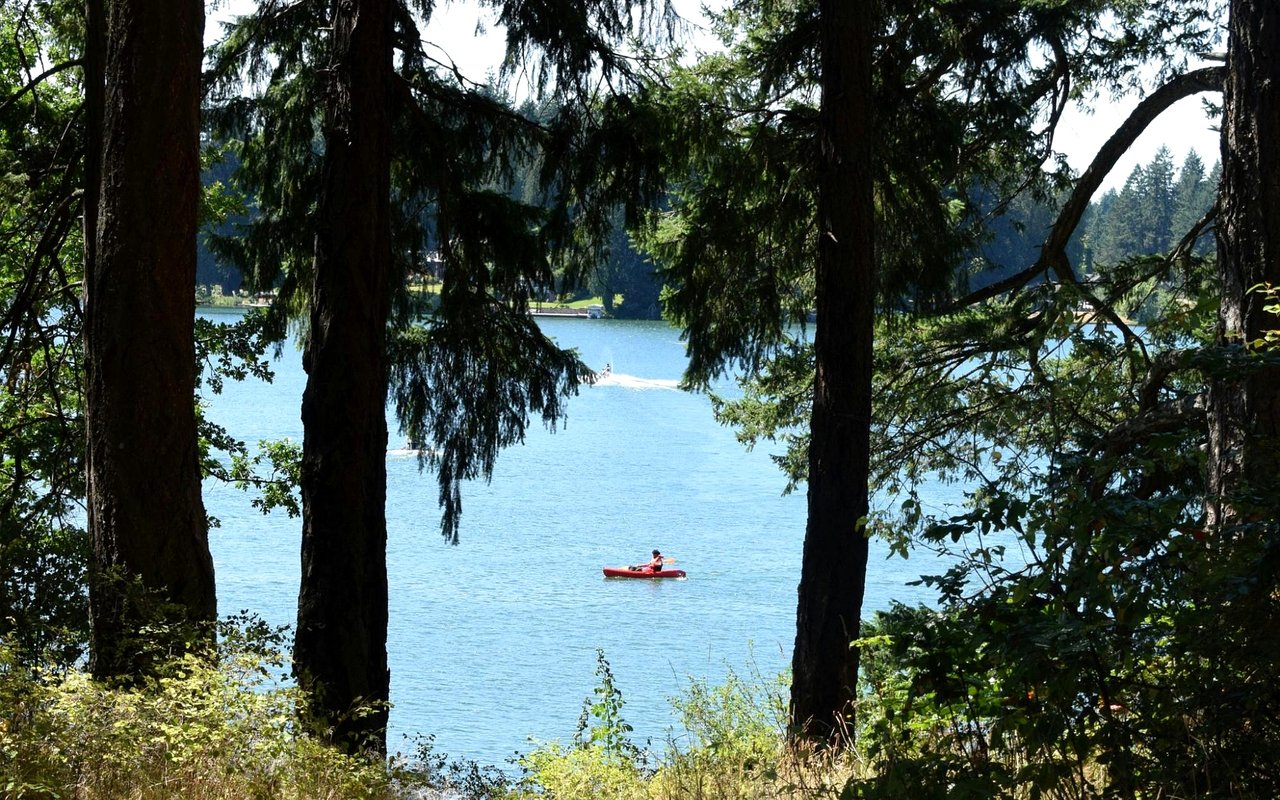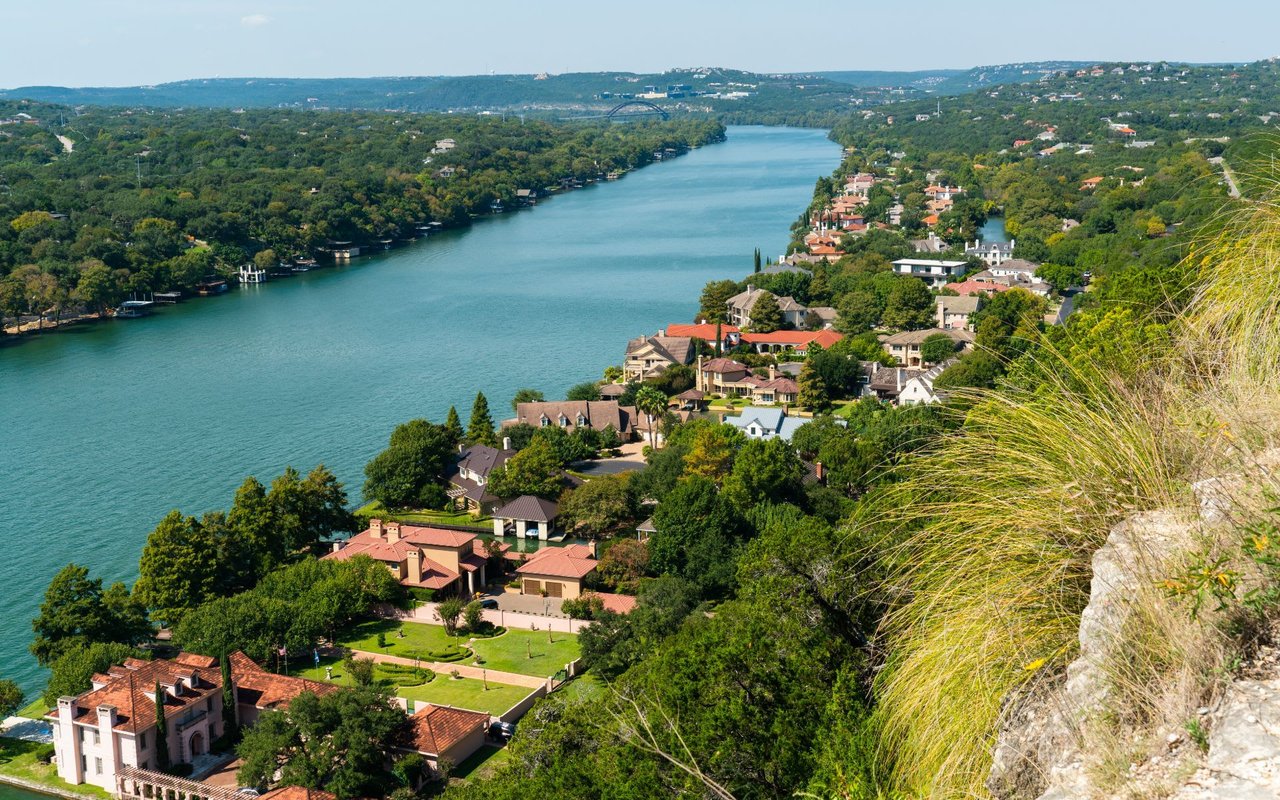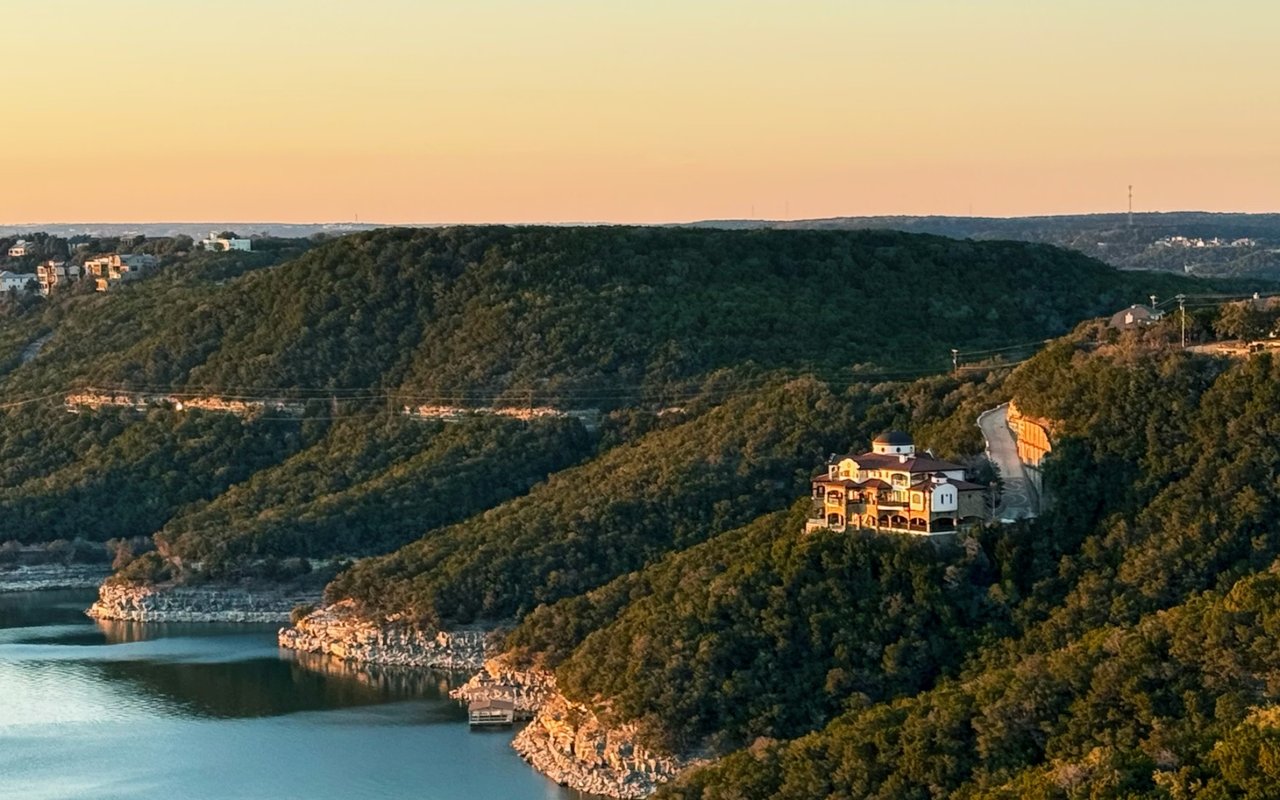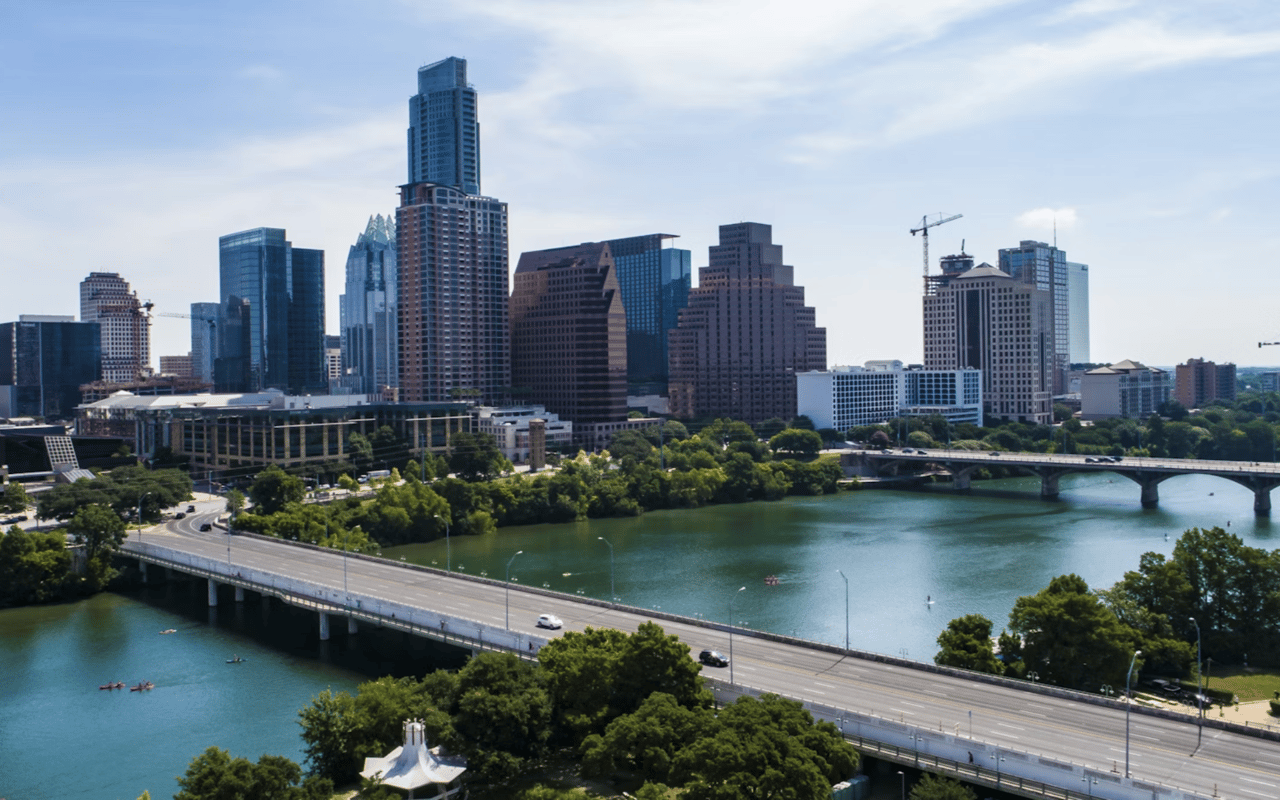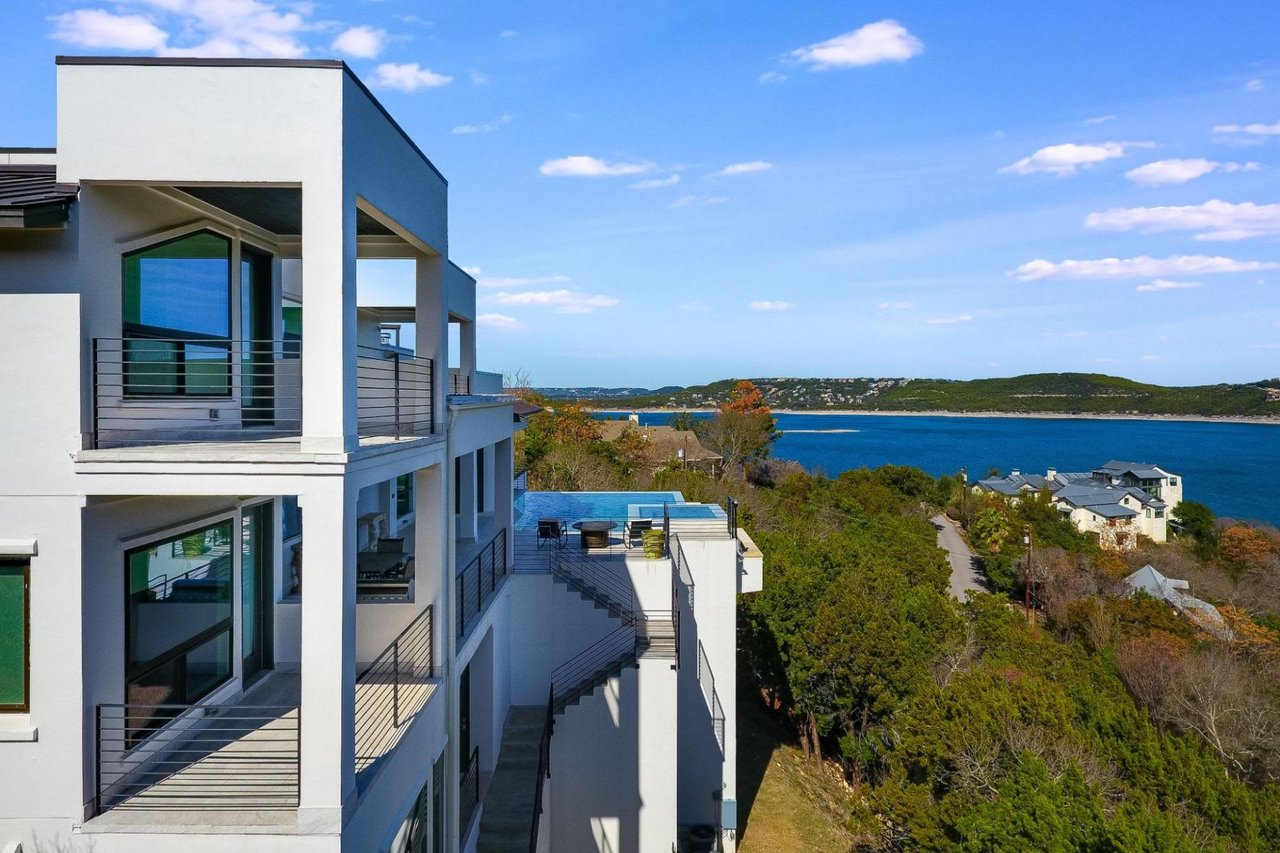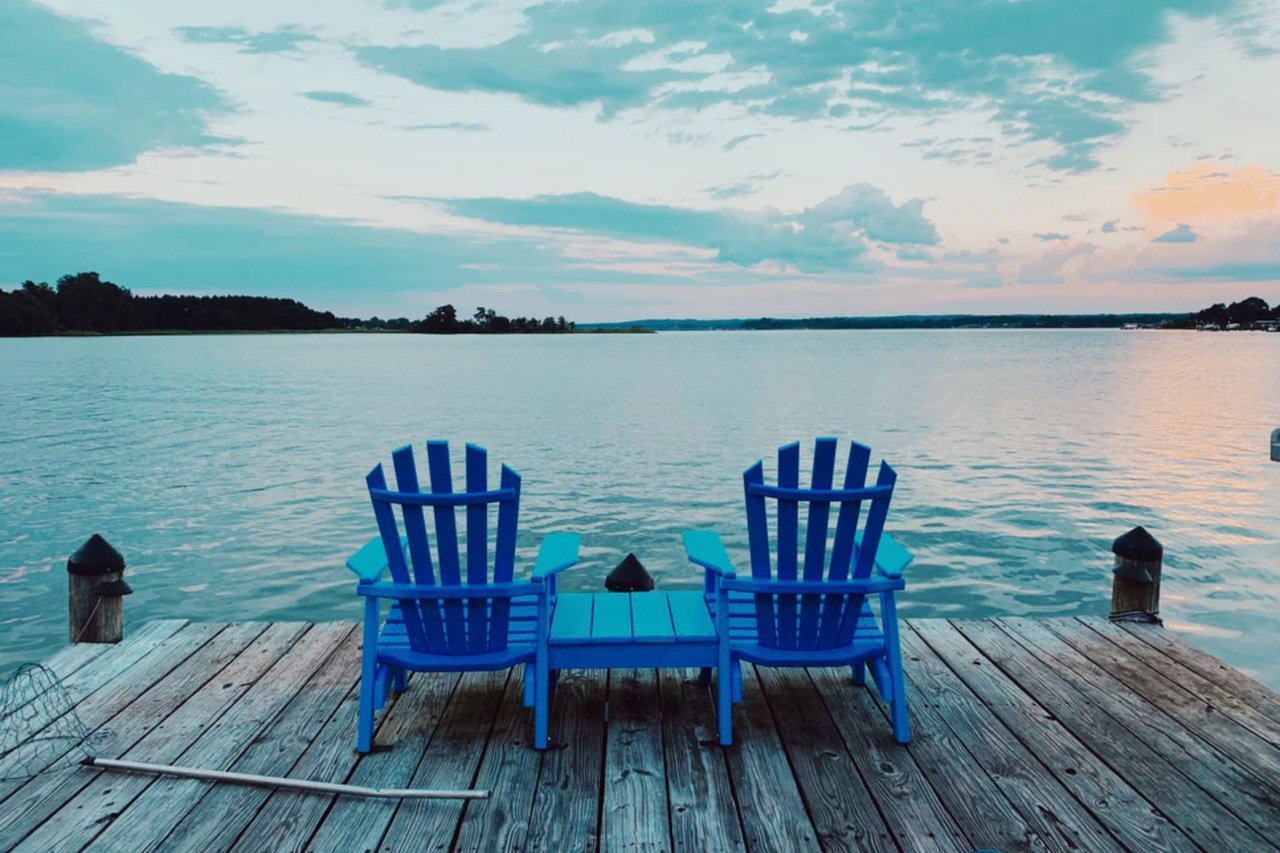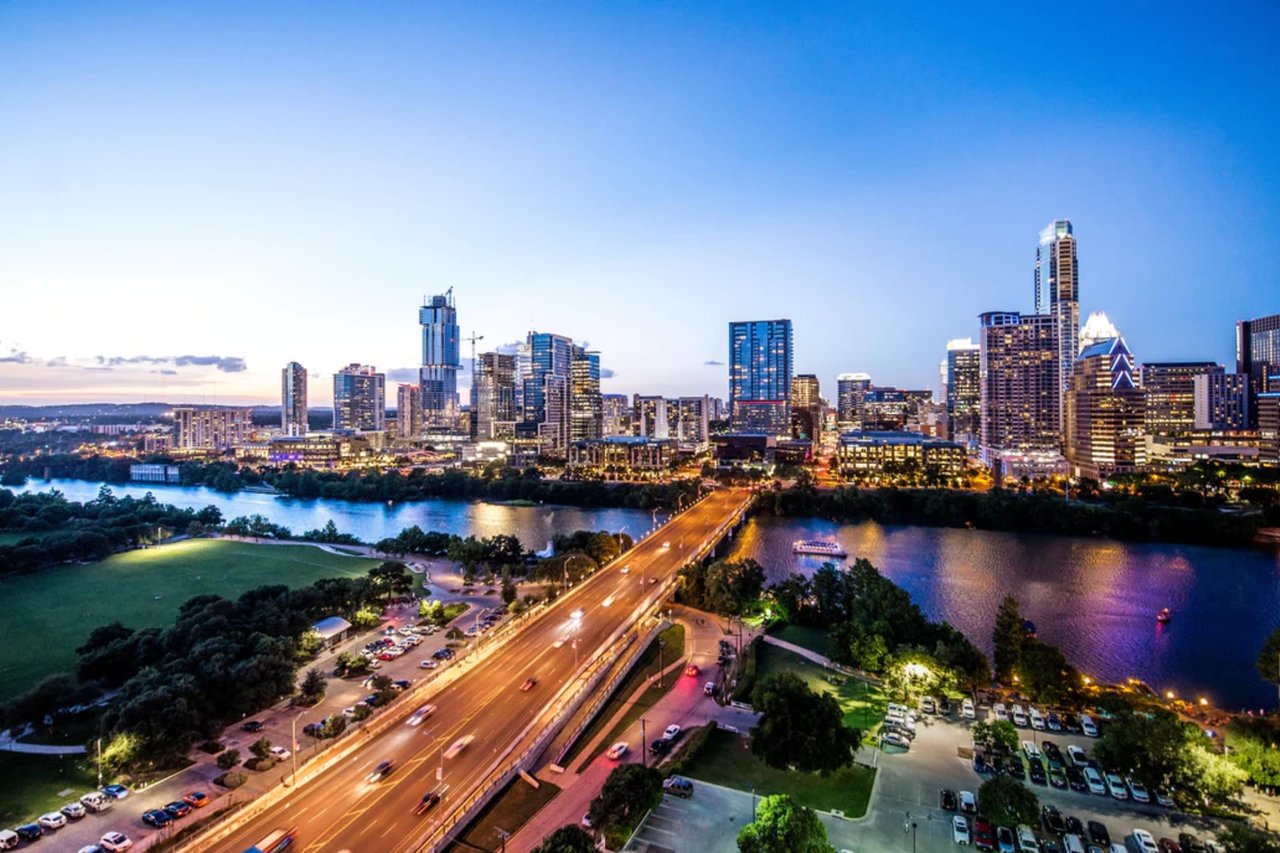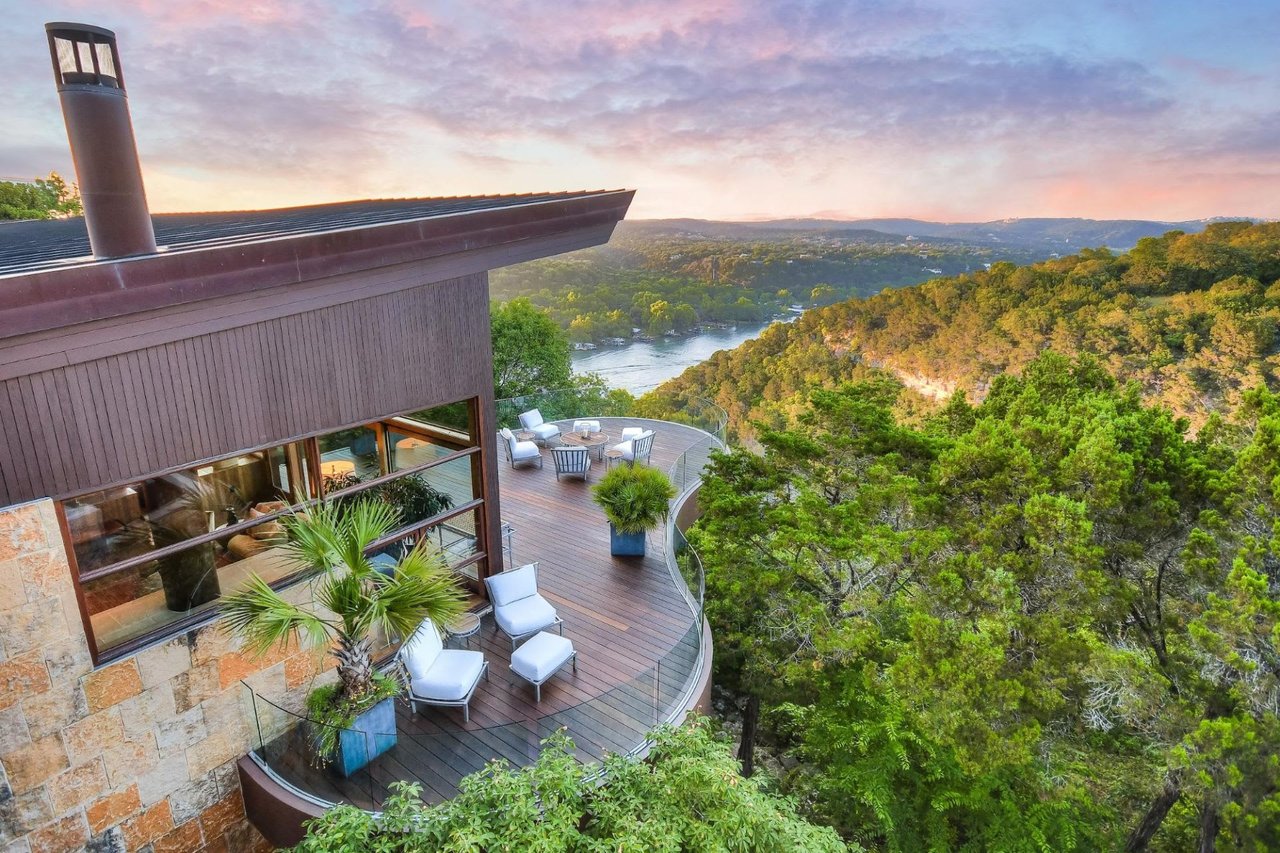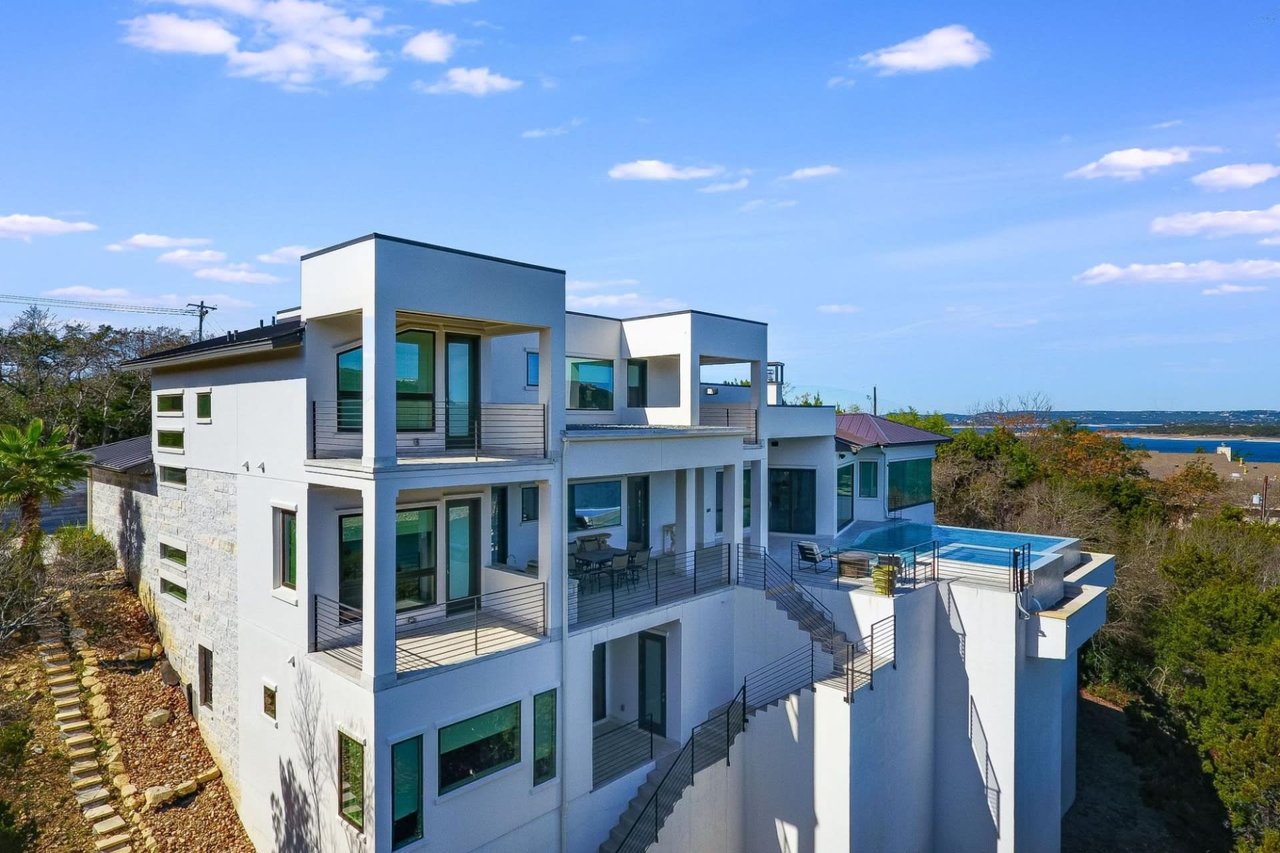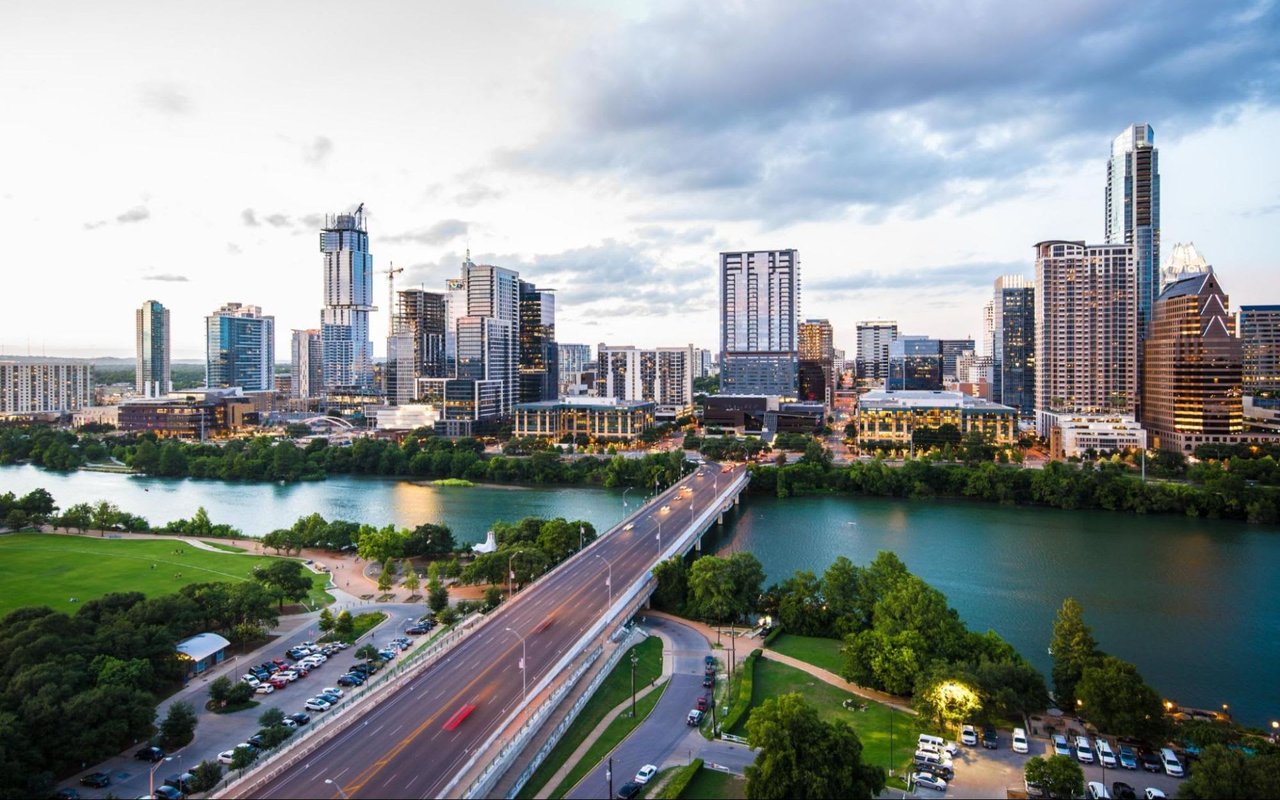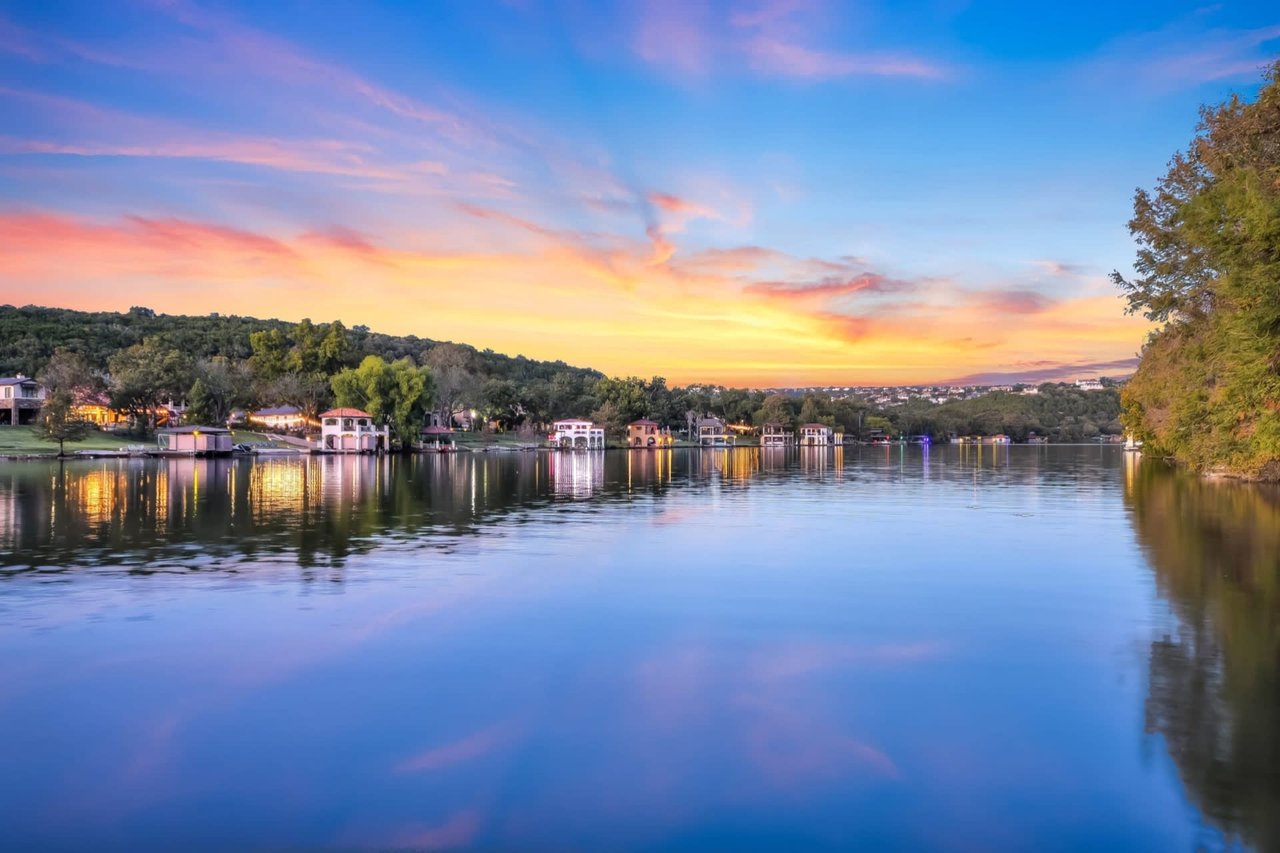
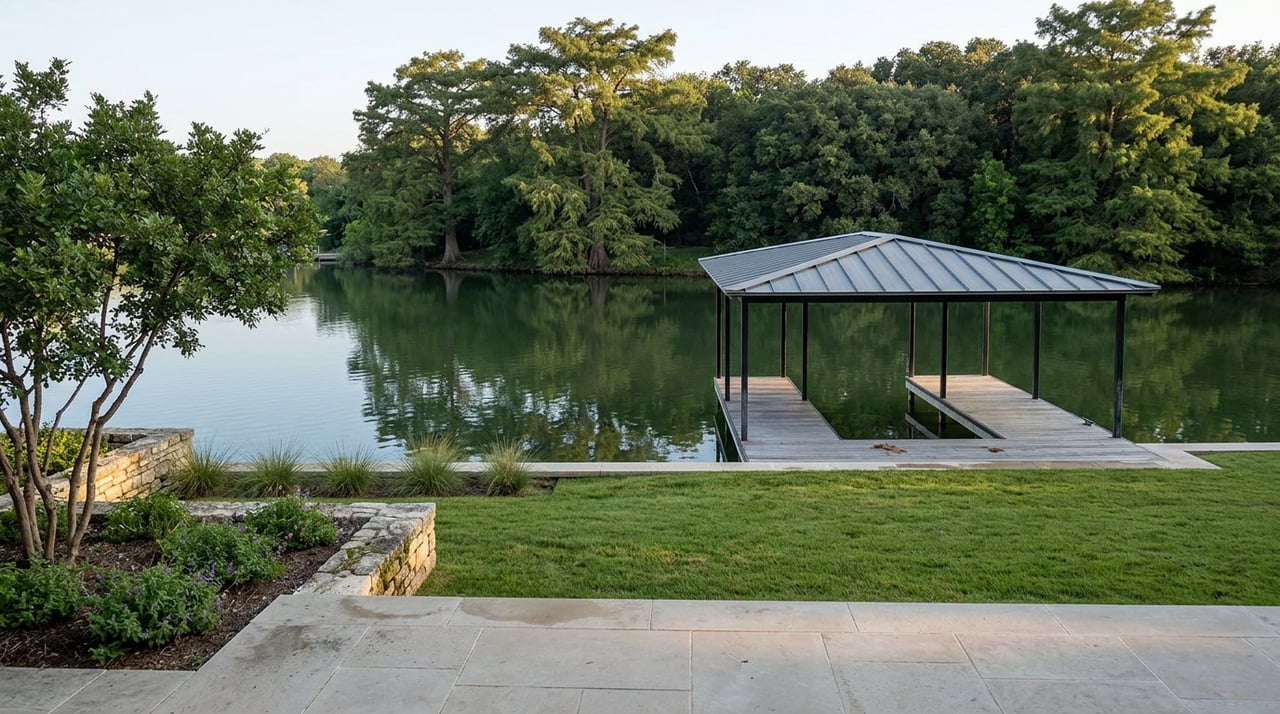
Ask anyone who has lived on Lake Austin for more than a season what makes it different from Travis or Buchanan, and you'll get the same answer: it doesn't move. While the upstream reservoirs rise and fall with drought and rain, Lake Austin holds a constant level year-round, a controlled pool between Mansfield Dam and Tom Miller Dam that keeps docks floating and shorelines predictable no matter what the rest of the Highland Lakes system is doing.
That reputation held for years. Then, for eleven days this July, the lake that never changes disappeared from under the people who use it every day.
The Ban That Wasn't About Drought
On Friday, July 17, the City of Austin issued a waterway ban covering Lake Austin from Mansfield Dam to Tom Miller Dam, along with Lady Bird Lake and the Colorado River below Longhorn Dam. The cause wasn't the low-water scenario lake residents are used to worrying about. It was the opposite. Historic flooding had hit the Texas Hill Country, and the Lower Colorado River Authority needed to move a large volume of water through the system fast. That meant opening floodgates, including at Mansfield Dam for the first time since 2019.
The ban was supposed to last four days. It didn't.
| Date | What happened |
|---|---|
| July 17 (Fri) | City bans all watercraft on Lake Austin, Lady Bird Lake, and the Colorado River below Longhorn Dam as LCRA begins floodgate operations |
| July 21 (Tue) | Original window closes, but conditions haven't cleared; the city extends the ban |
| July 22 (Wed) | Mansfield Dam's floodgates close, the first time they'd been opened since 2019, though Tom Miller and Longhorn remain open |
| July 25 (Sat) | A second extension expires; the lake stays closed |
| July 27 (Mon) | The city lifts the ban as floodgate operations wrap up at Tom Miller and Longhorn |
Every extension reset the clock on a lake economy that runs on short notice and good weather. It's a useful reminder of what "constant level" actually means here: it's not a natural feature of Lake Austin, it's a managed one, and the same dam operations that keep the lake calm ninety-nine weeks out of the hundred are exactly what took it offline when the system upstream needed somewhere to send the water.
Eleven Days, One Dock at a Time
For businesses that depend on people actually getting on the water, the ban wasn't an inconvenience. It was a lost month of summer.
According to KVUE, Paul Mahler, who owns Austin Duck Adventures and Lake Austin Riverboats, estimated the closure cost his business around $50,000 in canceled tours and refunds, right in the stretch of the calendar when tourism traffic is at its highest. What made it worse wasn't the ban itself so much as the uncertainty around it. A two-day extension would post, then get pushed again two days later, with no reliable window for planning ahead.
That kind of stop-and-start disruption doesn't show up in any market report, but it's the texture of what actually happened on the water this summer, and it's the part a resident who docks a boat or books a tour outfit for visiting family will remember longer than the dates themselves.
What Came Back, and What Was Already Being Watched
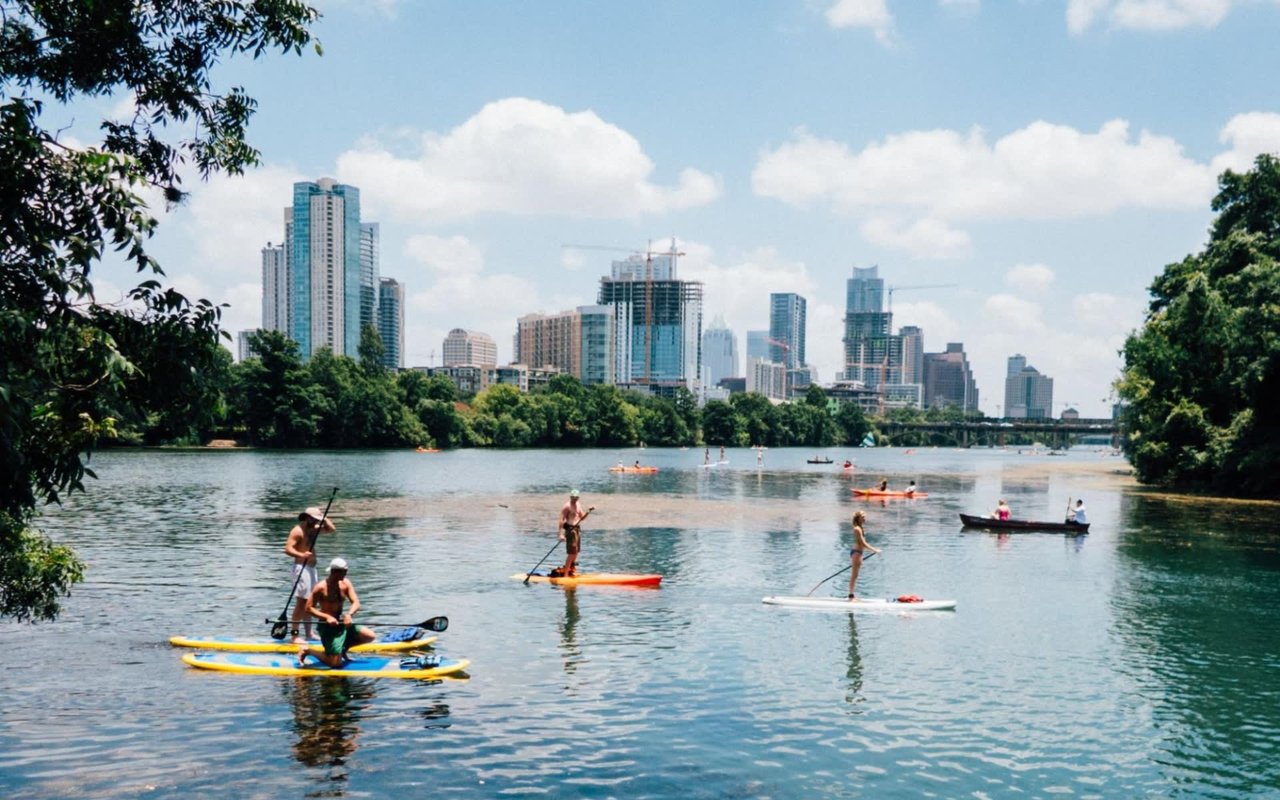
The first full weekend after the ban lifted, paddleboards were back out, sightseeing boats resumed their routes, and the docks at spots like Ski Shores Cafe, the lakefront burger joint on Pearce Road that's been serving boaters since 1954, filled back in. Rowing Dock, the paddle outfit that sends early risers out toward Red Bud Isle, put its rental kayaks and paddleboards back on the water. For a lake that runs on foot traffic arriving by water, that first weekend back mattered more than any single statistic.
But the ban wasn't the only water story of the season. Back in early June, before the flooding even started, Austin Watershed Protection had already flagged thick mats of blue-green algae near Red Bud Isle on Lady Bird Lake and at Walsh Boat Landing on Lake Austin, some of it potentially toxic to dogs and people. That's a separate, recurring seasonal concern from the flood closure, tied to heat rather than floodgates, and it's worth remembering as its own category. As the weather stays hot into late summer, conditions stay favorable for algae blooms, and the advice from the city is straightforward: stay out of any water showing dark mats on the surface, and keep dogs away from it entirely.
Two different water-quality stories, two different causes, both playing out on the same stretch of shoreline in the same summer.
Where the Lake Sits Now
As of August 15, Lake Austin was sitting at 96.4 percent of its conservation storage capacity. That number lands differently depending on what you knew about the lake six months ago.
Last October, the city had circulated a memo weighing a maintenance drawdown for 2026, a plan to lower the lake by roughly ten feet over six weeks so shoreline property owners could handle repairs the city acknowledged were overdue, even while noting that a drawdown wouldn't do much to control the hydrilla that had partly driven the request. That was the conversation heading into this year: a lake with too little turnover, not too much water.
Instead, by mid-August, the story had flipped entirely. The lake is close to full, the floodgates that forced the July closure are the reason why, and any drawdown conversation for shoreline repairs is now competing with a very different set of facts on the ground. If you own along the shoreline and had been waiting on word about a maintenance drawdown, this summer changed the starting point for that conversation.
One Date Worth Marking Now
If your household treats Emma Long Metropolitan Park as the default beach day, mark your calendar for early fall. The city has confirmed that water utilities at Emma Long will be turned off sometime in mid-to-late September or early October for planned maintenance. Showers, sinks, water fountains, and hose bibs will all be unavailable during that window, though portable toilets will stay onsite for day use and camping.
The city hasn't nailed down exact dates yet, but the practical takeaway is simple:
- If you're planning a fall camping trip at Emma Long, check for updated dates before you book a site.
- Bring your own water if you're headed out for a day at the beach entry area during that stretch.
- The boat ramp and swimming area themselves aren't closing, just the utility infrastructure around them.
What This Summer Actually Taught the Lake
None of this is the kind of thing you'd find on a portal listing or a market snapshot. It's the version of Lake Austin that only shows up if you were watching the water closely enough to notice when the ban lifted, which dock reopened first, and why a lake known for staying still spent eleven days doing anything but.
That's the thing worth sitting with here. Lake Austin's stability isn't a guarantee. It's a system, managed upstream and down, and this summer showed what happens when that system gets stress-tested by more water than anyone was planning for. The lake came back calm. The mechanism that keeps it that way is worth understanding either way.
If you're weighing what a summer like this means for a property on or near the water, from dock access to shoreline maintenance timing, the Kathryn Scarborough Group has spent years watching this exact stretch of the Colorado River and can walk you through what it actually means for your situation. Contact us anytime you'd like a local read on the water.